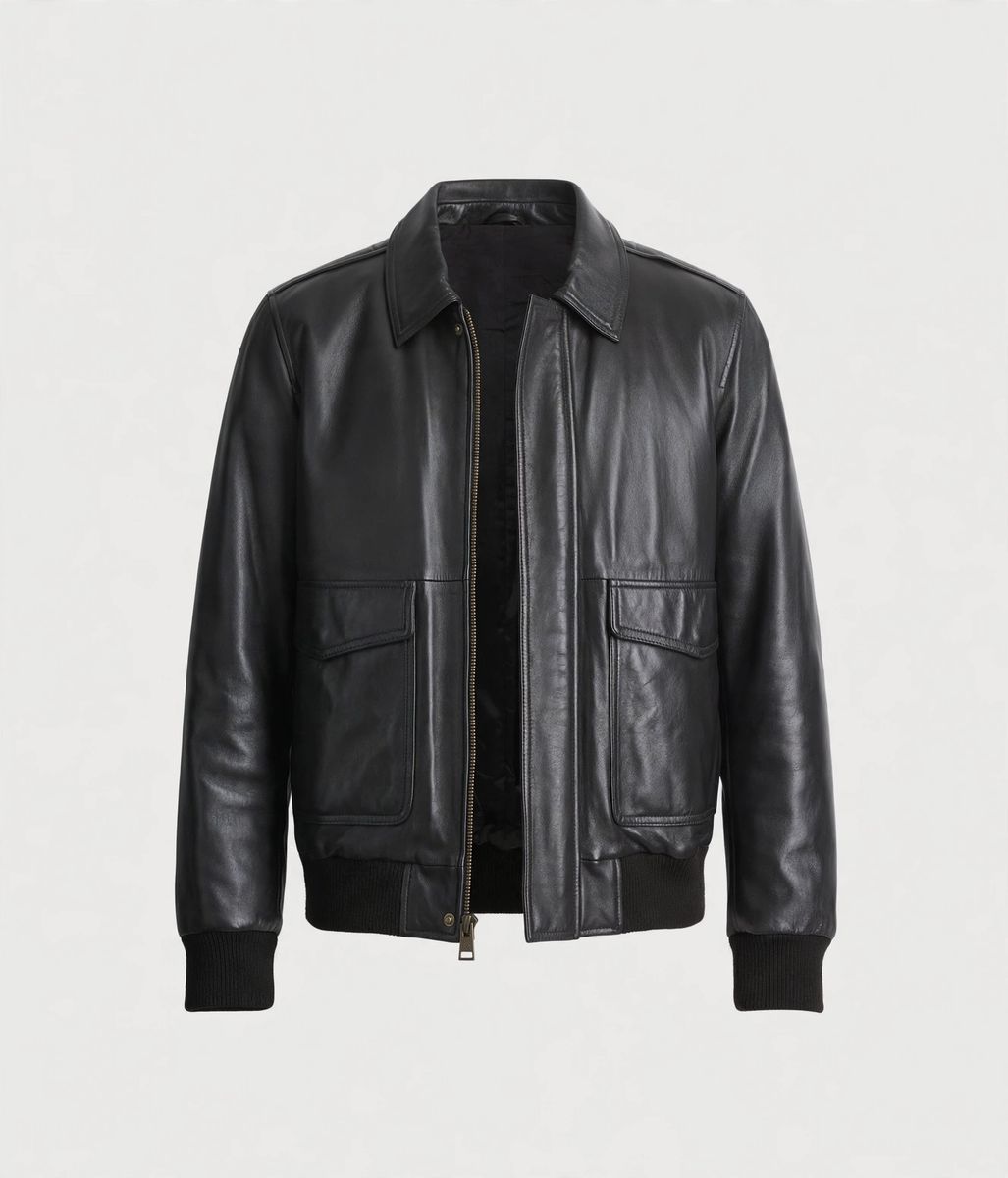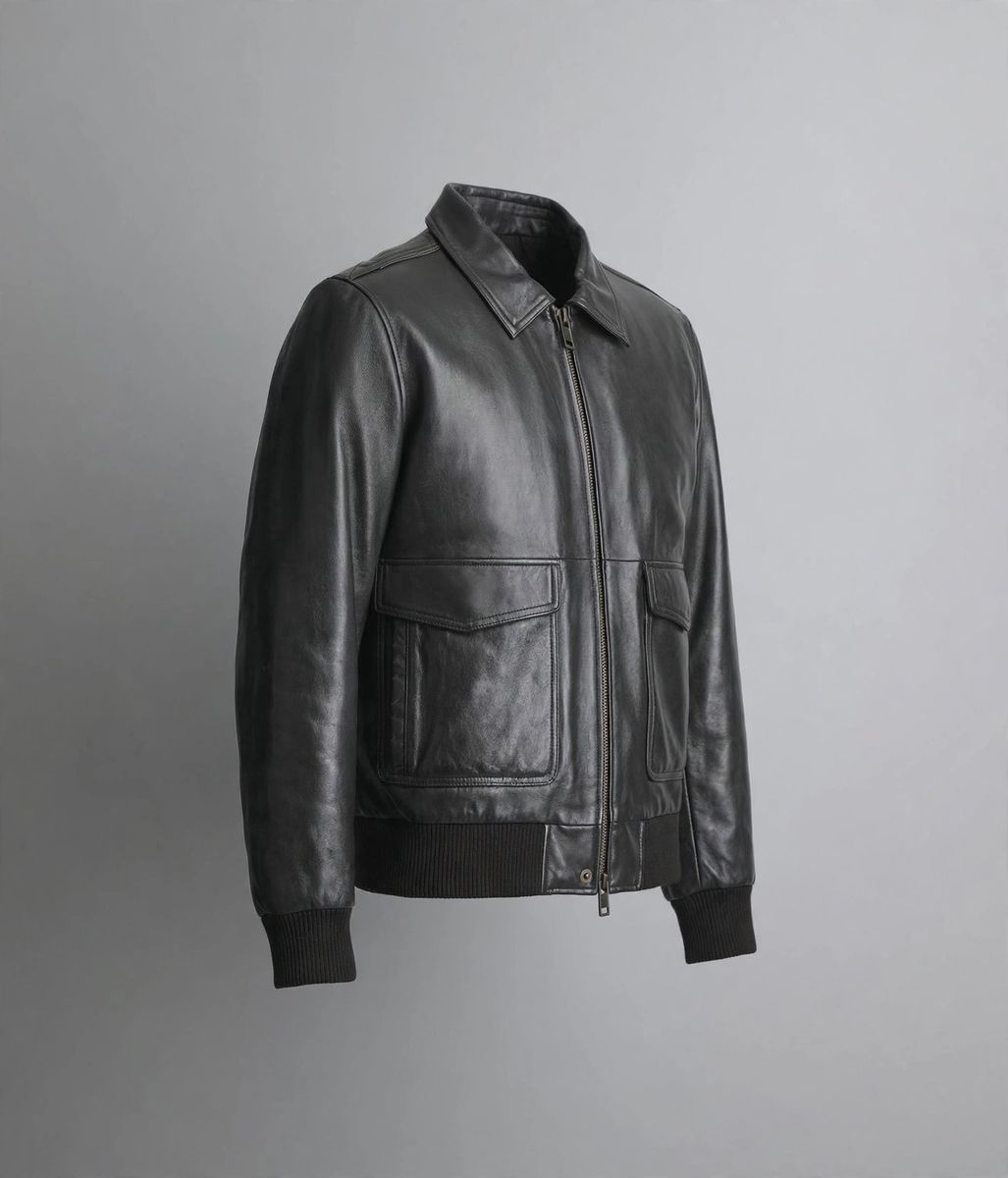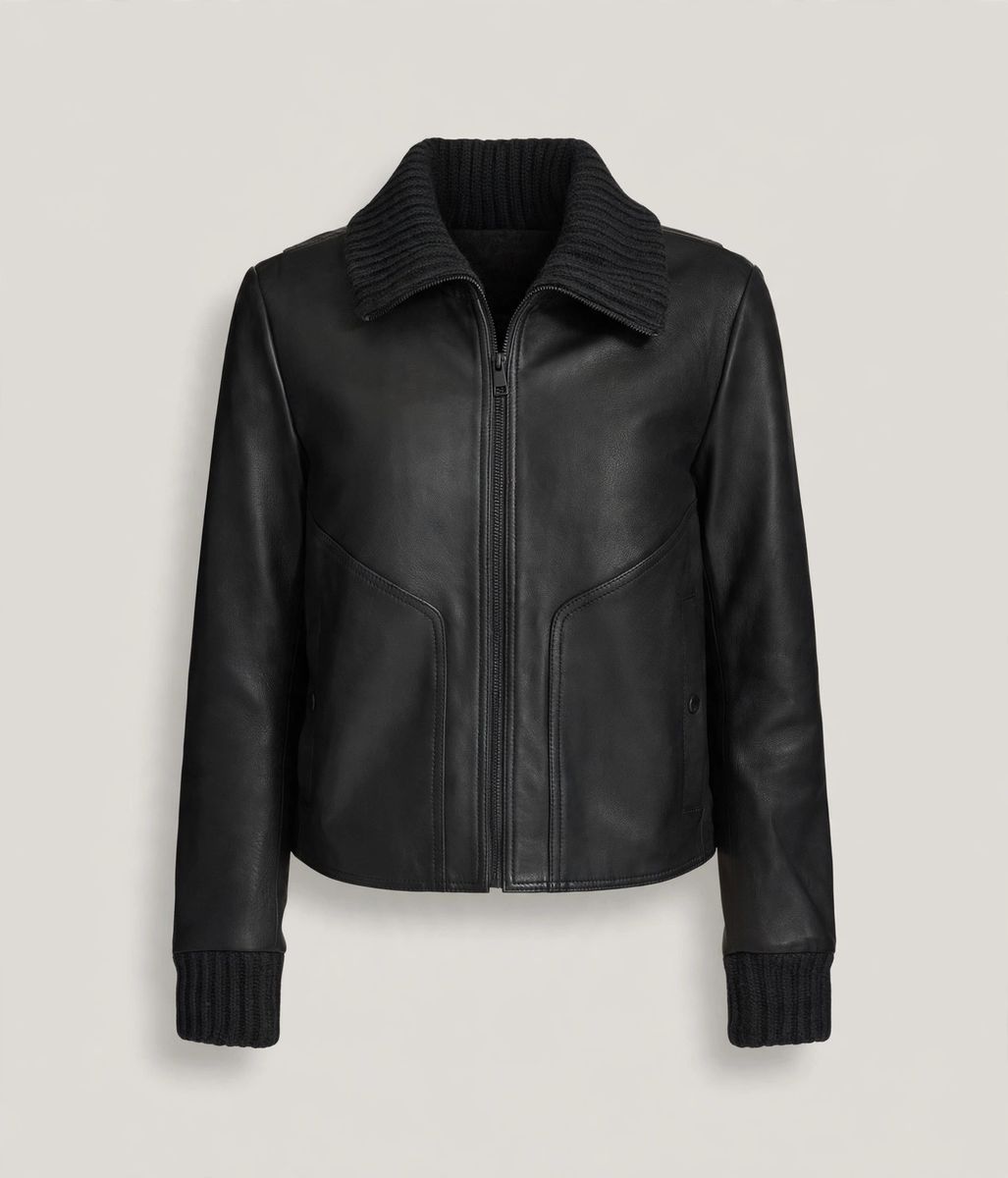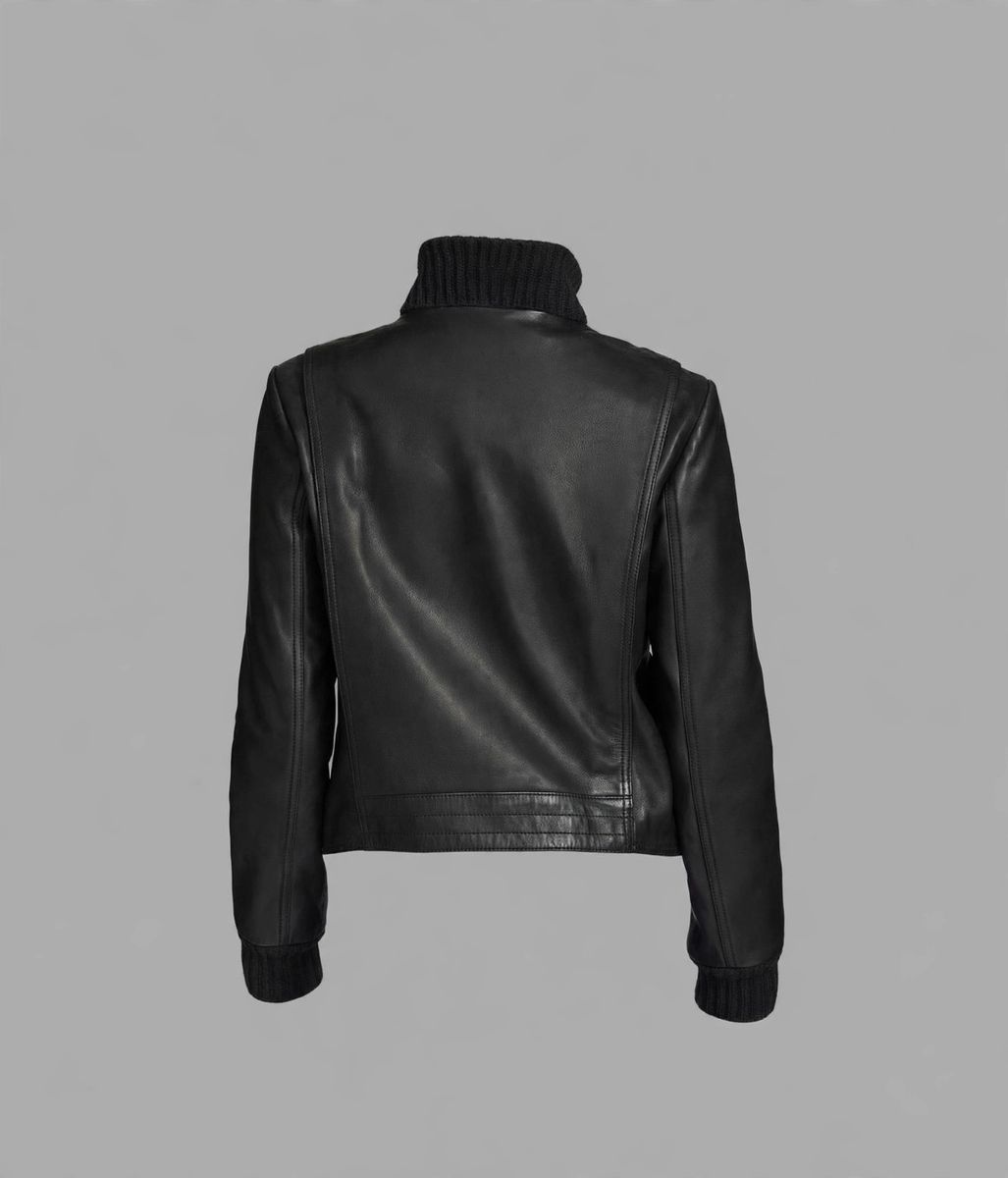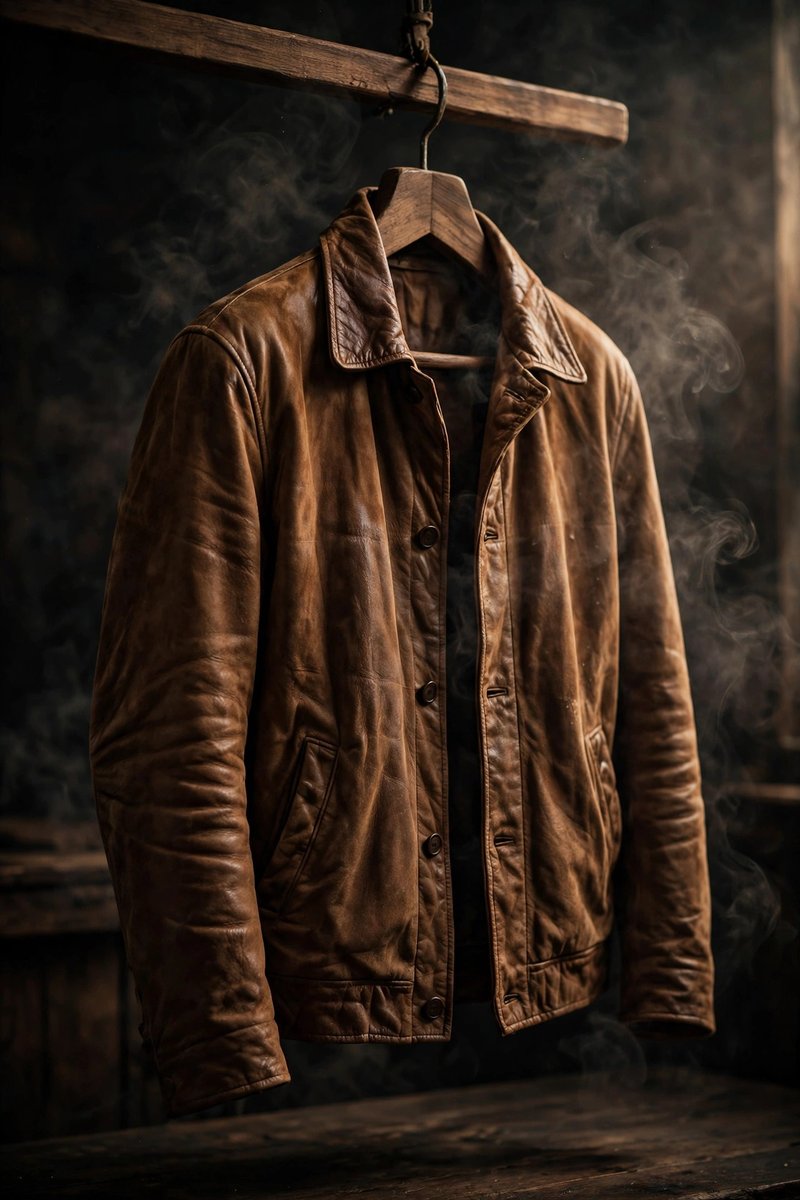
Unpack a leather jacket from a suitcase, or rescue one that spent the summer folded on a shelf, and you will find the same thing: sharp lines across the chest, a crease down the back, sleeves bent at odd angles. The good news is that leather is one of the most forgiving materials in your wardrobe — it relaxes, and most wrinkles surrender to nothing more than gravity and time. The bad news is that the internet's favourite shortcuts involve heat, and heat applied carelessly is how supple leather becomes cracked leather. This guide works through the safe methods in the order you should try them, from "do almost nothing" upwards. It assumes smooth leather; for suede, skip to the note at the end.
Why leather creases in the first place
Leather is a network of fibres. When a jacket is folded or compressed, those fibres are bent into a new arrangement and held there — the longer and tighter the fold, the more the crease "sets". Two things undo it: relaxation (the fibres easing back under the jacket's own weight and your body heat) and moisture in the air (which makes the fibres more flexible). Almost every safe method below is just a way of encouraging one or both. Dry, old, unconditioned leather creases more stubbornly and cracks more easily, which is why the methods escalate gently — and why conditioning, covered in our main leather care guide, is the quiet hero of this whole process.
Method 1: Hang it, and let gravity work
- Put the jacket on a wide, padded or shaped hanger — never a thin wire hanger, which creates new shoulder creases while removing old ones.
- Zip or button it closed so it hangs in its natural shape, and gently smooth the creased areas with your palms.
- Hang it in a warm room away from direct heat and sunlight. A room you live in is perfect; an airing cupboard next to a boiler is not.
- Leave it for 24 to 48 hours. Check daily — light fold lines often vanish overnight.
- Speed things up by wearing the jacket around the house. Your body heat and movement relax creases faster than any hanger, and wear is what leather is for.
For a jacket that was stored folded for months, give this method a full week before escalating. Patience here costs nothing and risks nothing.
Method 2: Bathroom steam (the gentle steamer)
If hanging alone is not shifting a stubborn crease, humidity is the next lever — used indirectly.
- Hang the jacket on its wide hanger from the shower rail or a hook in the bathroom, away from direct splashes.
- Run a hot shower with the door closed for 10 to 15 minutes, until the room is steamy. The jacket should get humid air, never a soaking.
- Smooth the creases gently with your palms while the leather is warm and relaxed.
- Move the jacket to a ventilated room and let it dry slowly and completely on the hanger before wearing or storing it.
Never aim a garment steamer's jet directly at leather at close range — the concentrated heat and moisture can mark the finish.
Method 3: Weight and warmth for single stubborn lines
For one deep fold line — across the back, say, from a suitcase strap — lay the jacket flat on a clean bed or table, smooth the crease out with your hands, and lay a heavy book or two along the line overnight, with a soft cloth between book and leather. Combined with a light application of leather conditioner worked into the crease (conditioner restores flexibility to the fibres), this settles most remaining lines. Go easy: a small amount of conditioner, buffed in, not a soaking.
The iron: last resort, strict rules
If — and only if — the methods above have failed on smooth, sturdy leather such as cowhide or sheepskin, careful pressing can work:
- Set the iron to its lowest heat. No steam.
- Place a thick cotton cloth or a sheet of brown paper over the crease. The iron never touches leather.
- Press in short passes, lifting and checking every few seconds. Keep the iron moving.
- Stop the moment the crease relaxes. More heat does not mean more effect — it means more risk.
Never iron lambskin (too delicate), suede (it will crush and shine), or any leather that feels dry and stiff — dried-out fibres crack under heat instead of relaxing. If your jacket's leather is at that stage, the problem is no longer wrinkles; read our guide on cracked and peeling leather before doing anything else.
Crease or crack? Knowing the difference before you start
Before treating any line on a jacket, work out what it actually is, because the treatments diverge. A crease or wrinkle is a fold in flexible leather: the surface is intact, the line softens when you warm the area with your palm and flex it gently, and the colour is unchanged. Treat it with the methods above, in order. A crack is a break in the surface itself: the line looks dry and pale, feels rough or flaky at the edges, and does not soften when flexed — it opens slightly instead. Cracks happen in leather that has dried out over years, and they change the rules completely: no heat, no steam baths, no pressing. A cracked jacket needs moisture restored slowly with conditioner before anything else is attempted, and deep cracking cannot be reversed, only improved and stabilised. If you are looking at pale, rough, flaking lines rather than smooth folds, stop here and follow our guide on cracked and peeling leather — the wrinkle methods in this article are for healthy leather only.
What never to do
- Never use a hairdryer on hot, held close — it dries and shrinks leather unevenly.
- Never soak a jacket to "release" creases. Waterlogged leather dries stiff and misshapen; our rain and water guide explains what water actually does to it.
- Never fold a jacket to store it "just for a few weeks". Weeks become seasons; the crease sets accordingly.
- Never hang a wet or steamed jacket in a sealed cover or wardrobe — it must dry in open air first, or you trade wrinkles for mildew.
A note on suede
Suede does not wrinkle like smooth leather — it crushes. A flattened nap usually revives with a suede brush and the bathroom-steam method above (steam is genuinely good for suede). Never iron it, never condition it with smooth-leather products. Our dedicated suede care guide covers brushes, sprays and stains in full.
Prevention: the crease you never have to remove
Every method above is a cure for a storage mistake, so finish with the prevention. Hang your jacket on a wide hanger with room around it, in a breathable cotton cover, in a wardrobe that is not stuffed tight. For travel, turn it inside out, roll it loosely around soft clothing rather than folding it, and hang it as soon as you arrive — a night on a hanger in the hotel bathroom undoes most journey creases before you need the jacket. The complete routine, including long-term and summer storage, is in our guide on how to store a leather jacket.
And one final reassurance: not every crease is a flaw to fix. The soft lines at your elbows and across your back are the jacket moulding itself to you — the same process described in our guide to breaking in a leather jacket. Remove the folds that came from the suitcase. Keep the ones that came from your life.