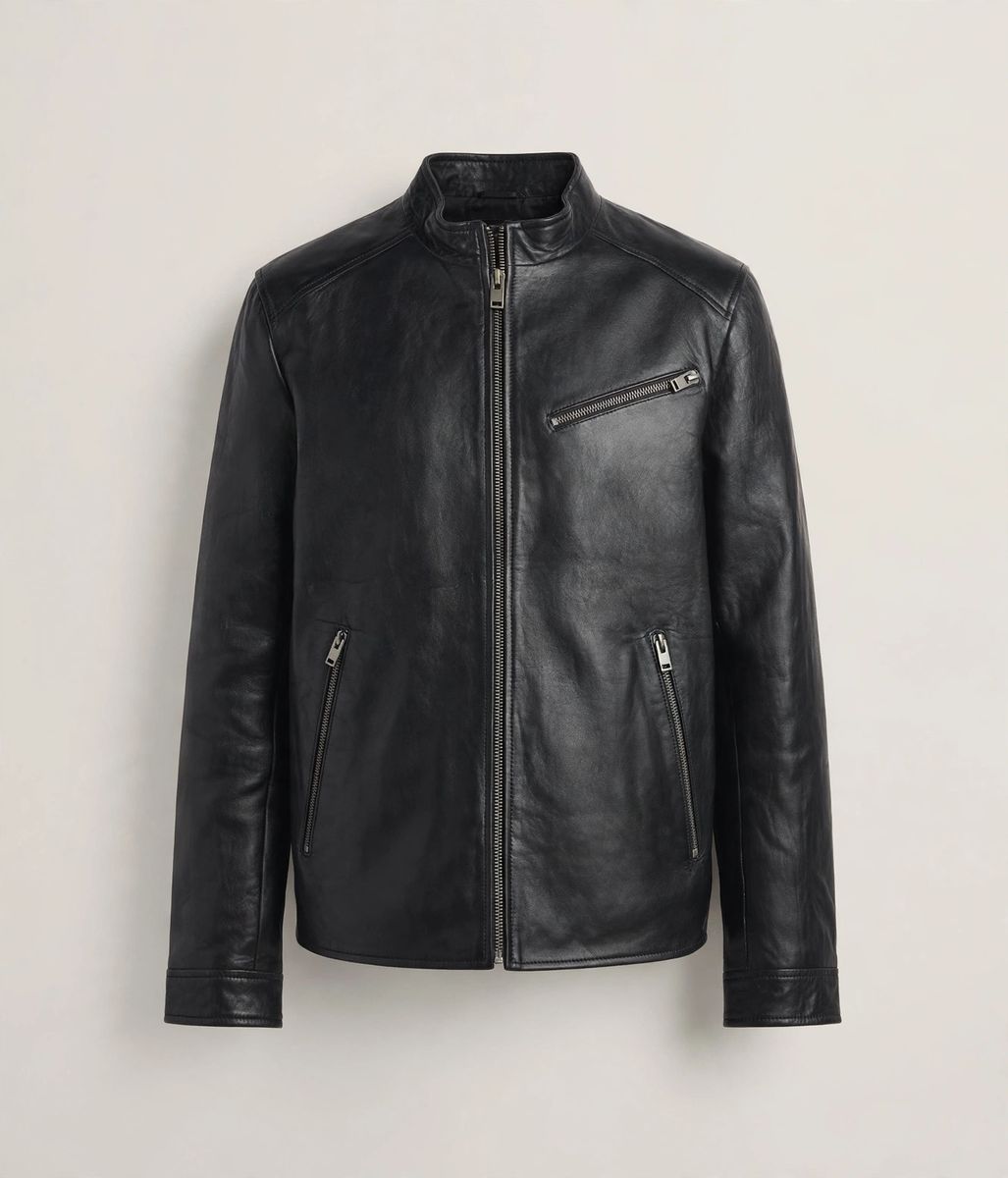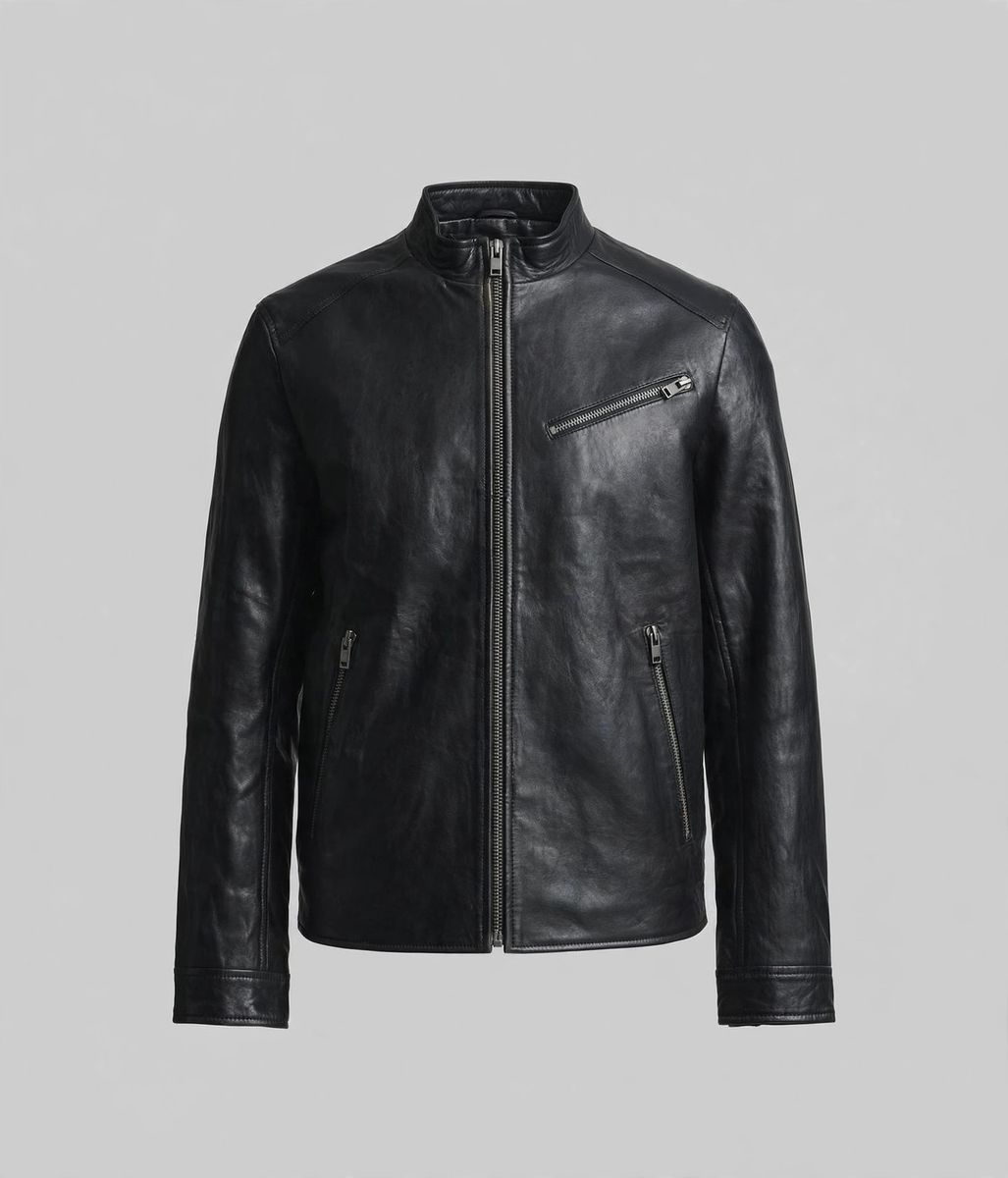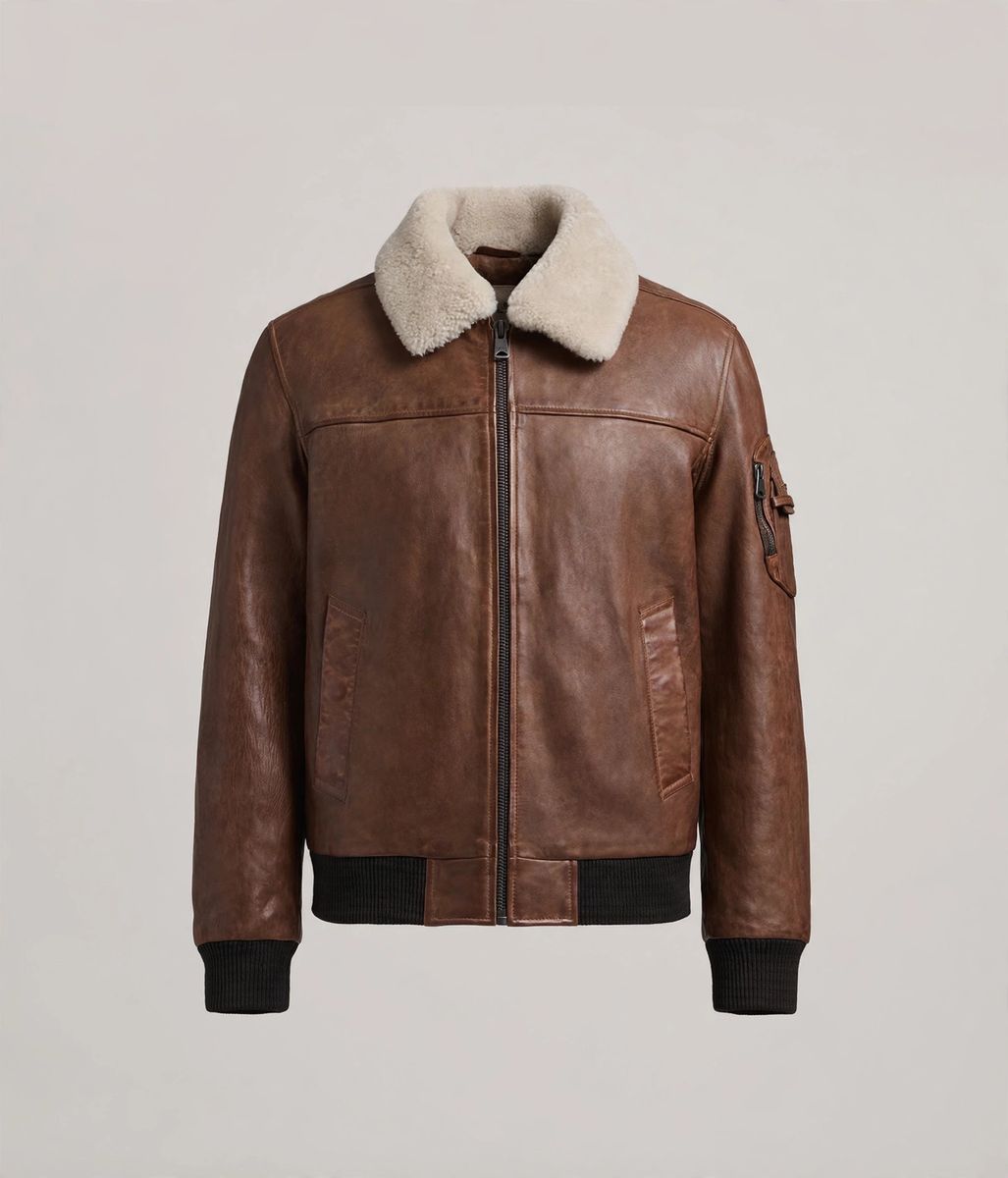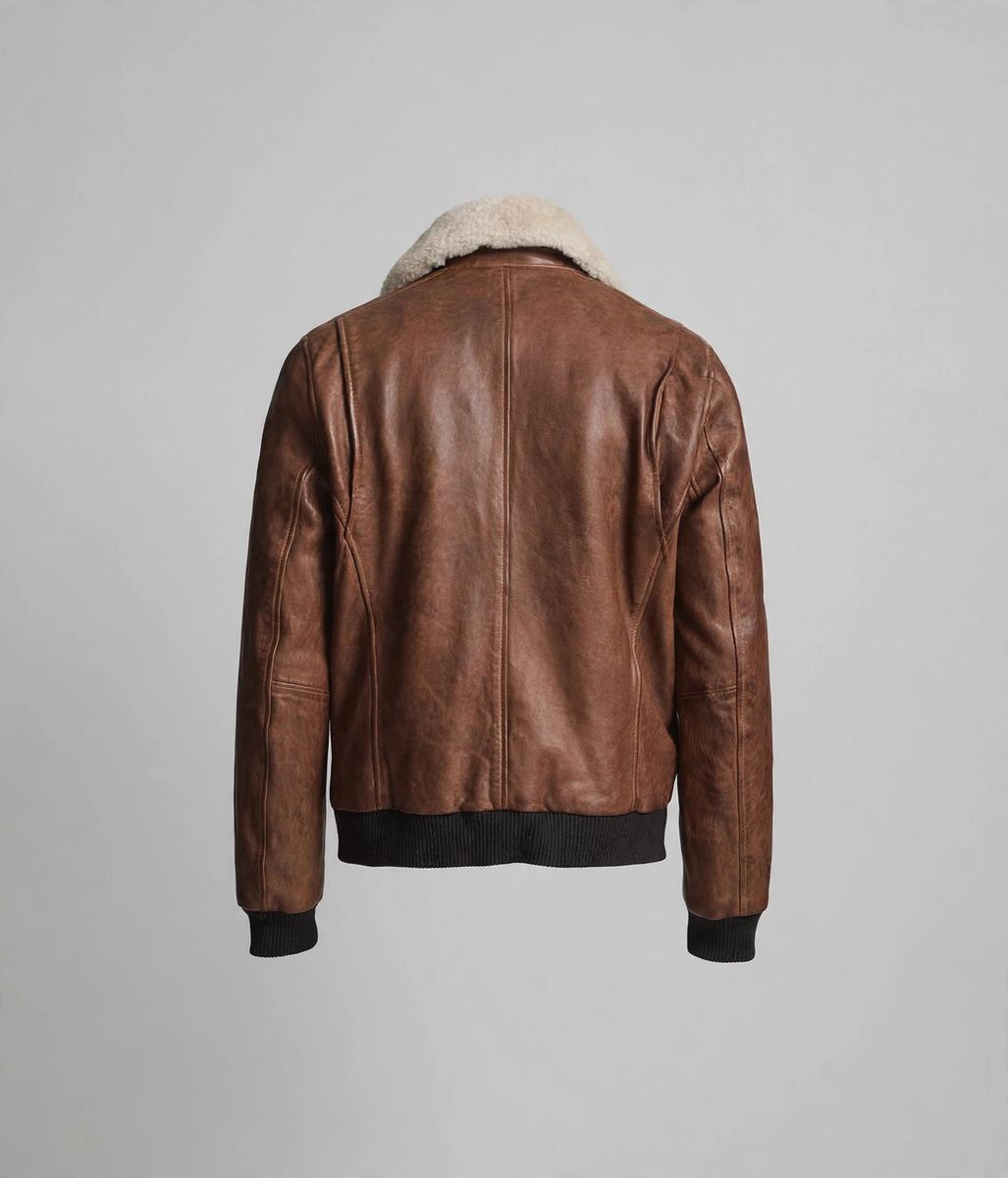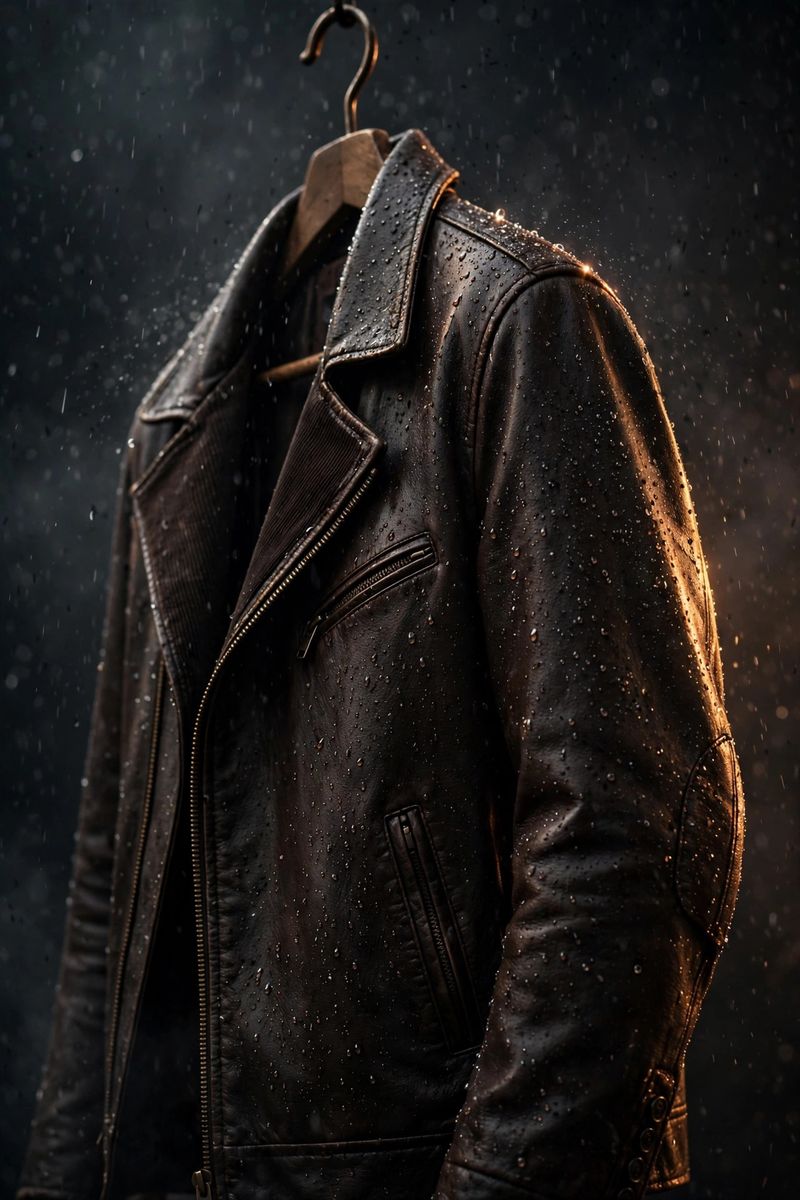
Few questions cause more unnecessary anxiety than this one. Owners of new leather jackets have been known to sprint through car parks at the first spot of rain, clutching their collars like vampires at dawn. The truth is calmer: leather is a natural material that has dealt with weather for millennia, it is not waterproof, and a rain shower will not ruin it — provided you treat it correctly afterwards. Here is what water actually does to leather, what protection products can and cannot do, and the recovery routine that matters.
What rain does to leather (and what it doesn't)
Leather is porous — that is why it breathes and why it feels alive. Water enters those pores. On a finished smooth leather, a shower beads on the surface finish first and soaks in slowly; the leather darkens while wet (perfectly normal) and, if dried correctly, returns to its colour and feel. The genuine dangers are not the rain itself but three things that follow it: drying with heat, which locks fibres stiff and can crack the surface; staying damp for days, which invites mildew; and heavy, repeated soaking without conditioning, which washes out the leather's oils over time. A jacket caught in rain monthly and dried properly will live for decades. A jacket dried on a radiator once can be damaged in an afternoon.
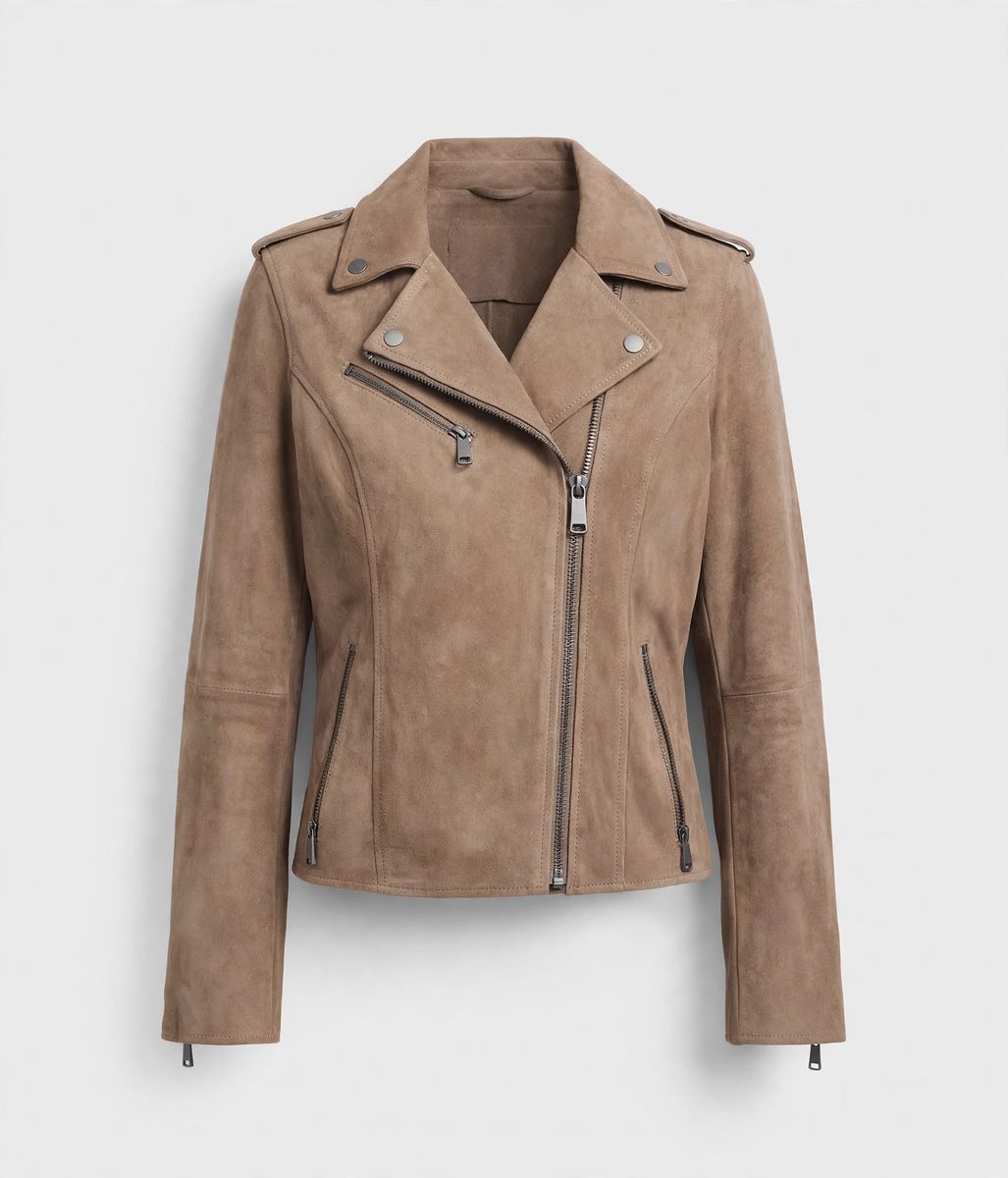
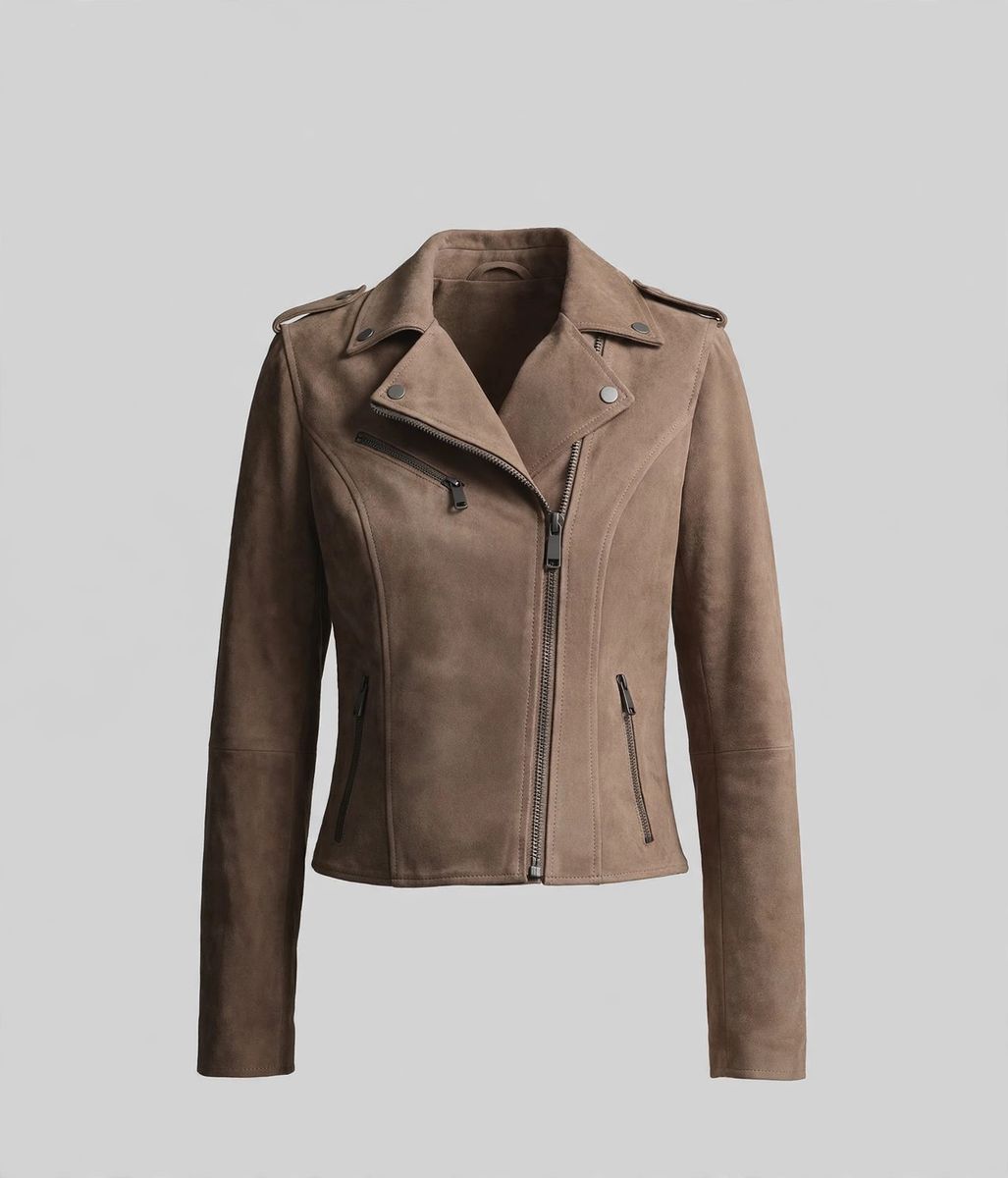
Suede is more vulnerable — water spots and tidelines are its weakness — but even suede recovers from a shower with the brush-out routine in our suede care guide. Shearling should be kept out of serious rain where possible; its fleece takes a long time to dry.
Protector sprays: useful, honestly labelled
A water-repellent spray for leather (or a suede-specific protector) coats the surface so water beads and rolls instead of soaking straight in. Used properly — even coat from 20 cm, dried fully, renewed every few months — it converts "caught in a shower" from an incident into a non-event, and it protects against the splashes and spills of ordinary life. What it does not do is make leather waterproof: in sustained rain, water will get in eventually, spray or no spray. Treat any product claiming to "waterproof" a fashion leather jacket with suspicion, and be careful with heavy waxes and oils on fashion leather — they are made for work boots, and on a jacket they can darken the colour, change the finish and leave it greasy. For smooth leather, a light conditioner with water-resistant properties, used as part of the normal care routine, is the balanced approach.
The recovery routine for a soaked jacket
- Shake and blot. Shake off the surface water and blot — never rub — with a clean towel.
- Hang it properly. On a wide, padded hanger, in moving air at room temperature. Stuff the sleeves loosely with newspaper if they are dripping.
- Wait. A full day for a soaked jacket. Not by a radiator, not in direct sun, not with a hairdryer — patience is the entire technique.
- Condition lightly. Once fully dry, a small amount of conditioner replaces the oils the water carried out. The leather may feel slightly stiff before this step and completely normal after it.
- Brush suede once dry, to lift the nap back up.
Which leathers handle rain best?
Not all leathers face weather equally. Finished smooth leather (most sheepskin and cowhide jackets) shrugs off showers best — the surface finish slows absorption and the leather dries back to normal. Waxed or oiled leathers are better again, built for weather by design. Nappa is more delicate; its fine surface marks more easily, so keep it for dry days where you can. Suede is the most vulnerable to spotting and tidelines — protector spray is close to mandatory if it will see weather. Shearling should avoid serious rain entirely: the fleece holds water, takes days to dry, and can smell if stored damp. Patent and high-shine finishes are, ironically, the most rain-proof of all — the coating is effectively plastic — but they are a niche taste. Know your jacket's leather (our types guide identifies them all) and you will know its weather limits without guessing.
Riding and commuting: the practical cases
Motorcyclists and cycle commuters live in the rain in a way pedestrians do not, and for them the honest advice is different: a fashion leather jacket is not rain gear. If you regularly ride in wet weather, wear a proper waterproof over-layer and let the leather be what it is underneath — generations of riders have done exactly this. For the occasional wet commute, a treated jacket, the recovery routine, and rotating with another coat on the wettest days will keep leather in service for years.
One seasonal habit ties it all together properly: at the start of the wet season, check the jacket over carefully — renew the protector spray, condition if the leather looks dry, and make sure the hanger and cupboard it returns to are dry. Ten minutes in October prevents the only rain outcomes that are actually bad, all of which involve neglect rather than weather.
So: can your leather jacket get wet? Yes — briefly, occasionally, and with a calm drying routine afterwards. Leather survived on animals outdoors, after all. It is not the rain you need to fear. It is the radiator, every single time, without exception.