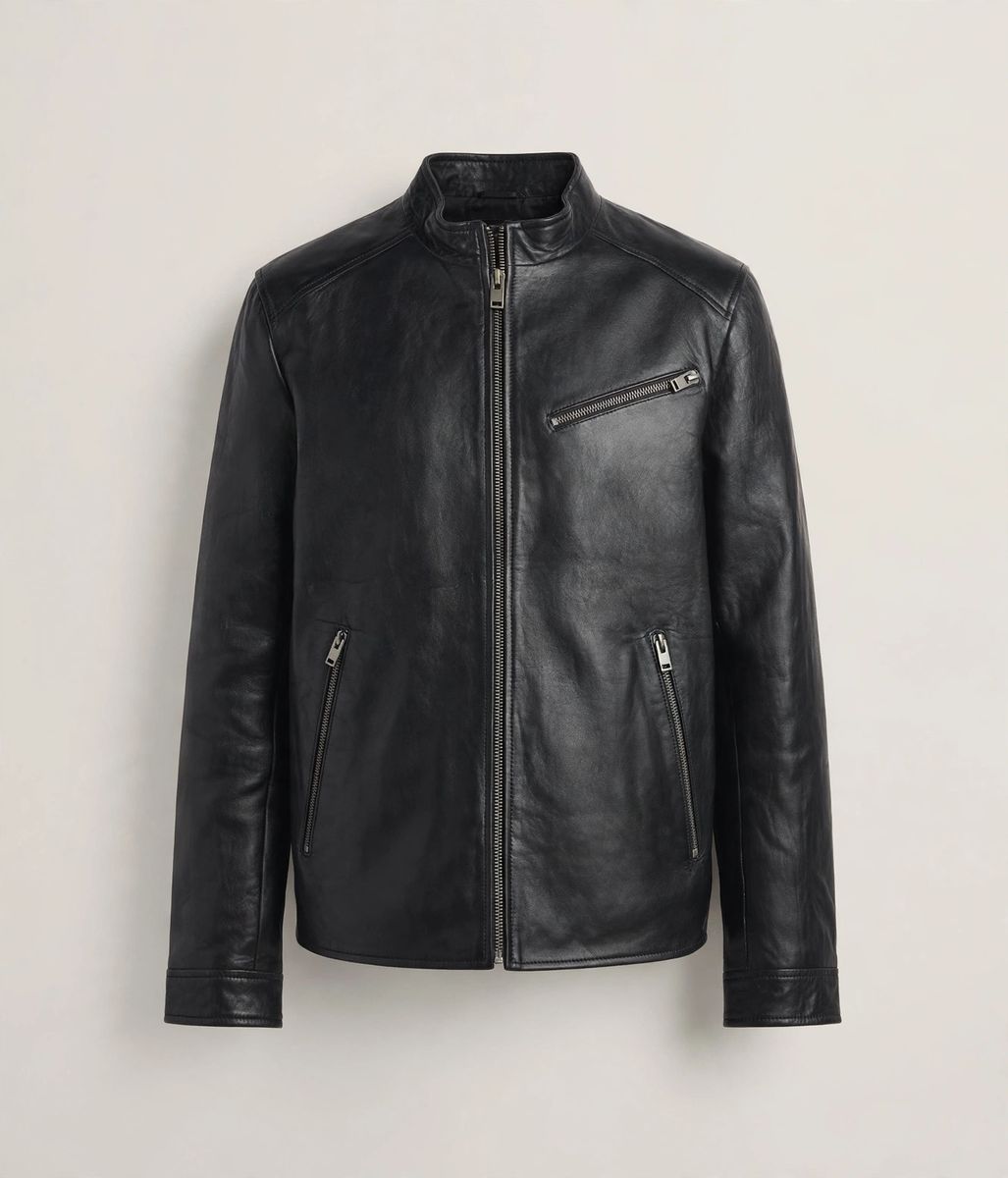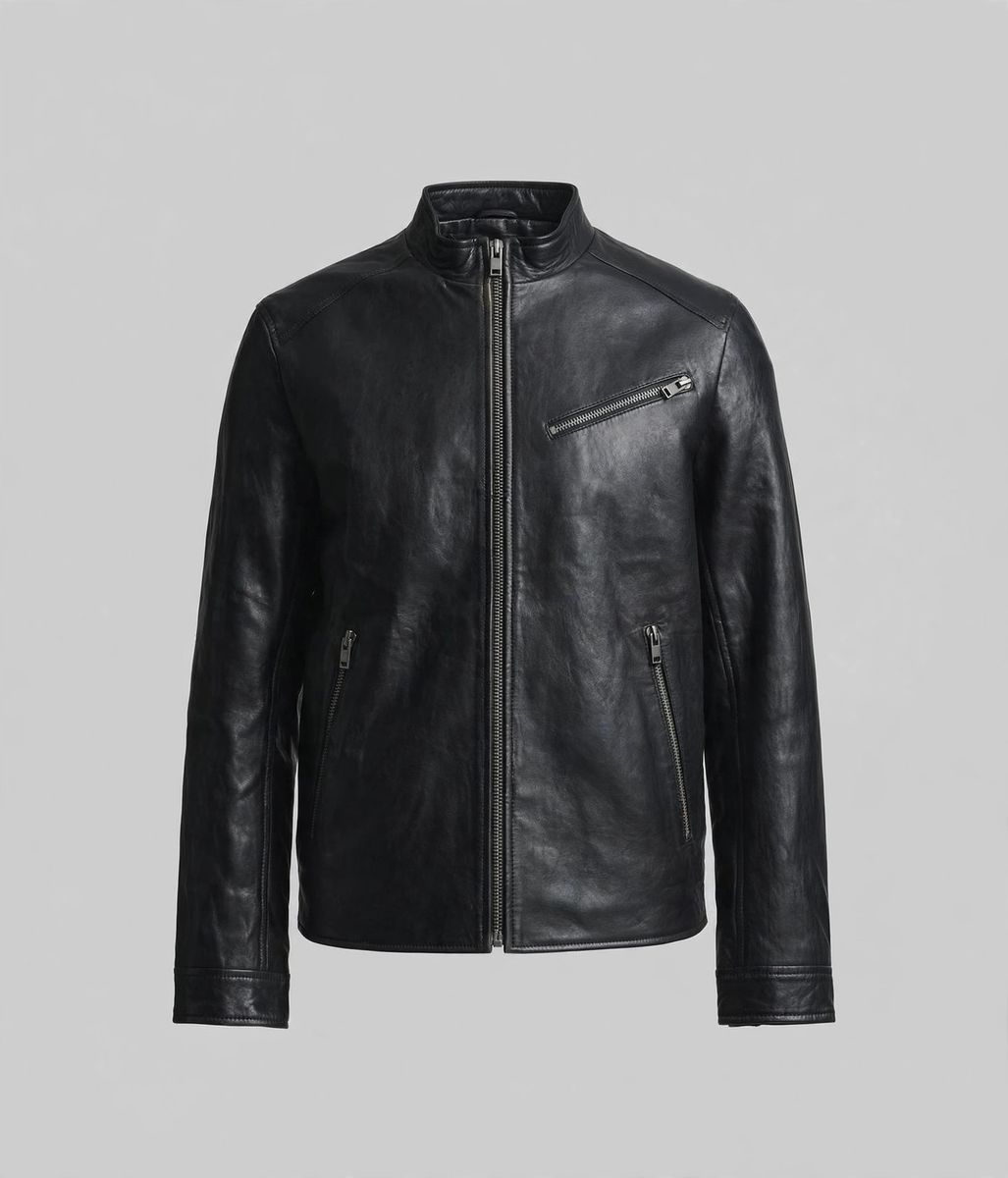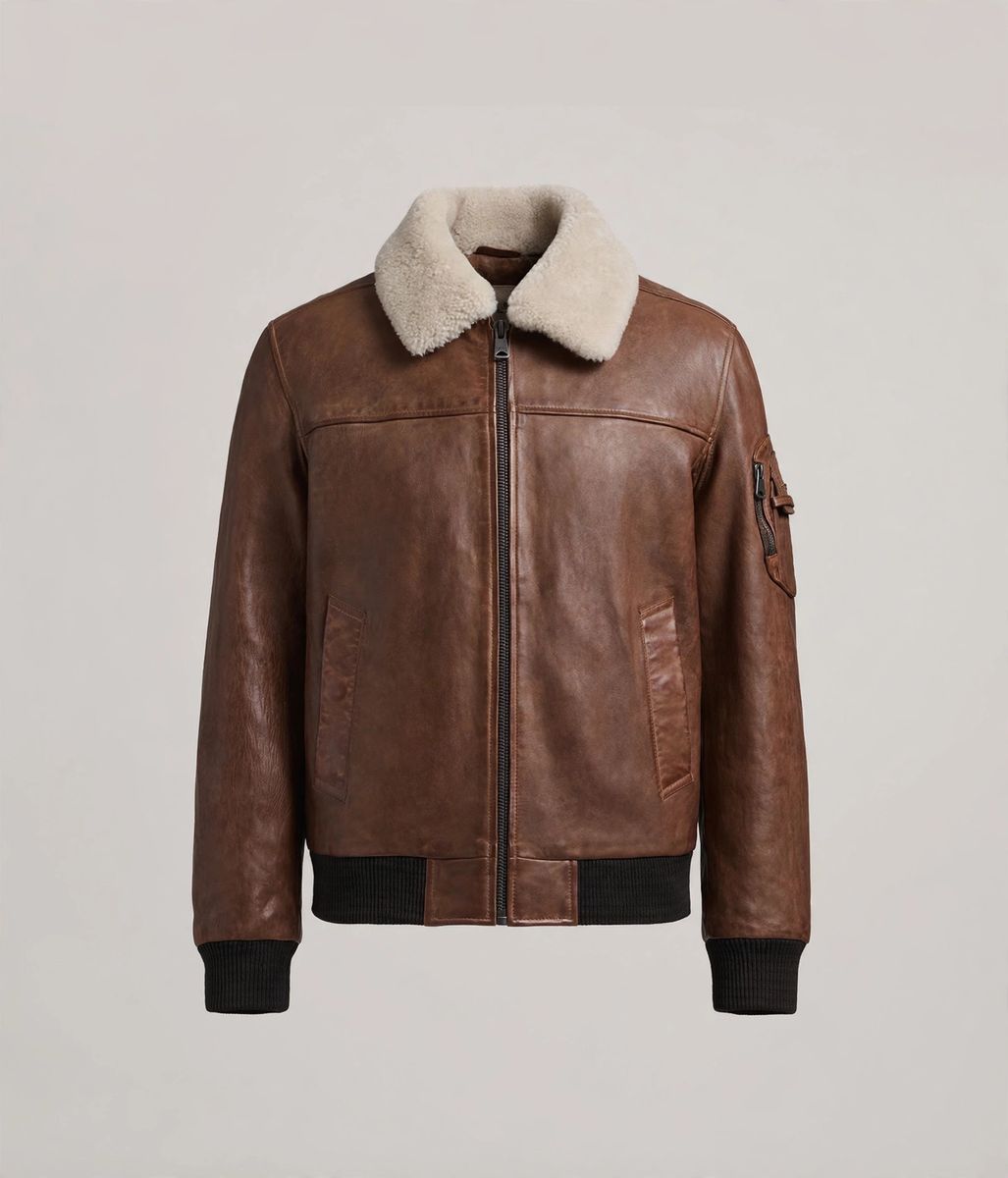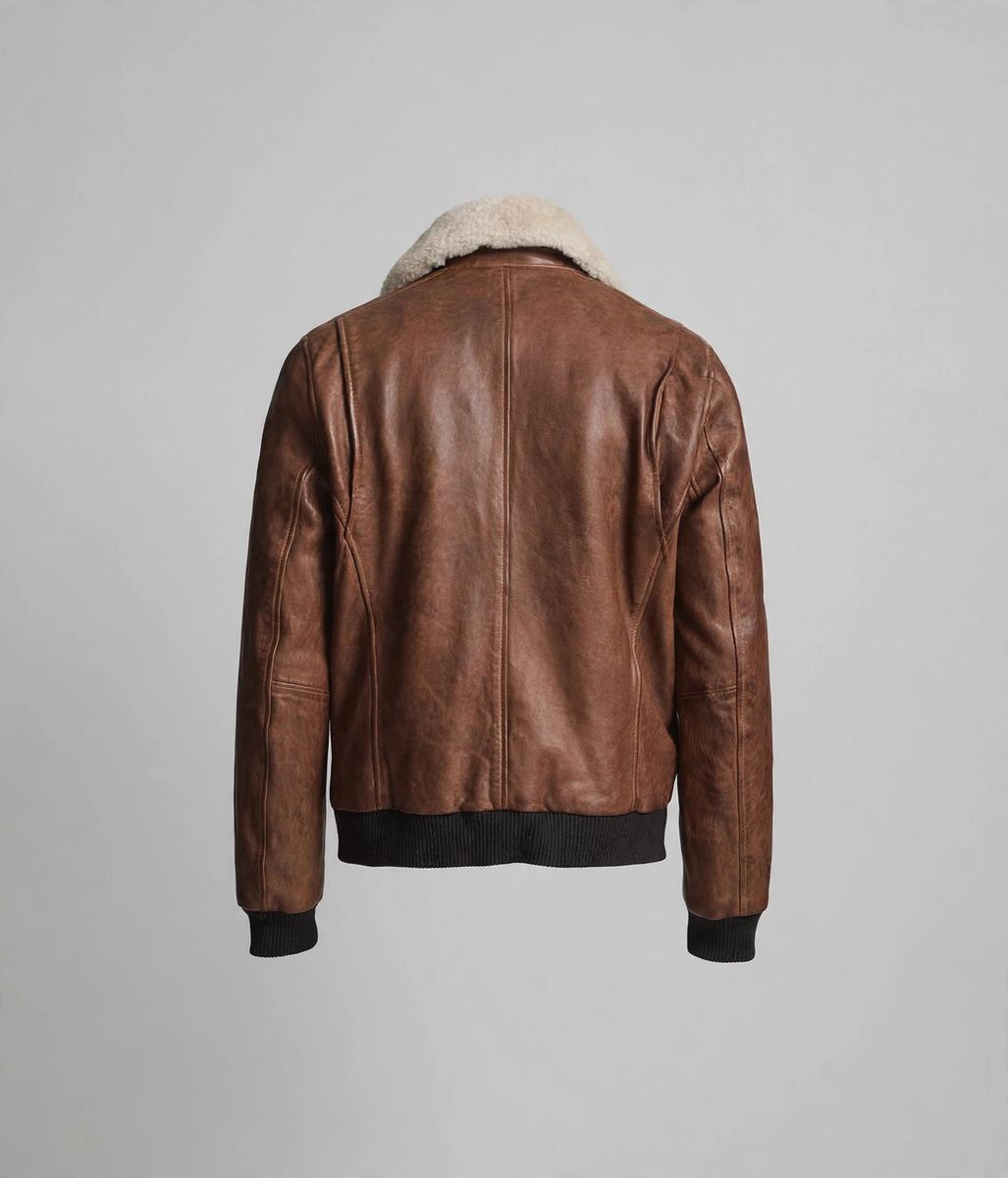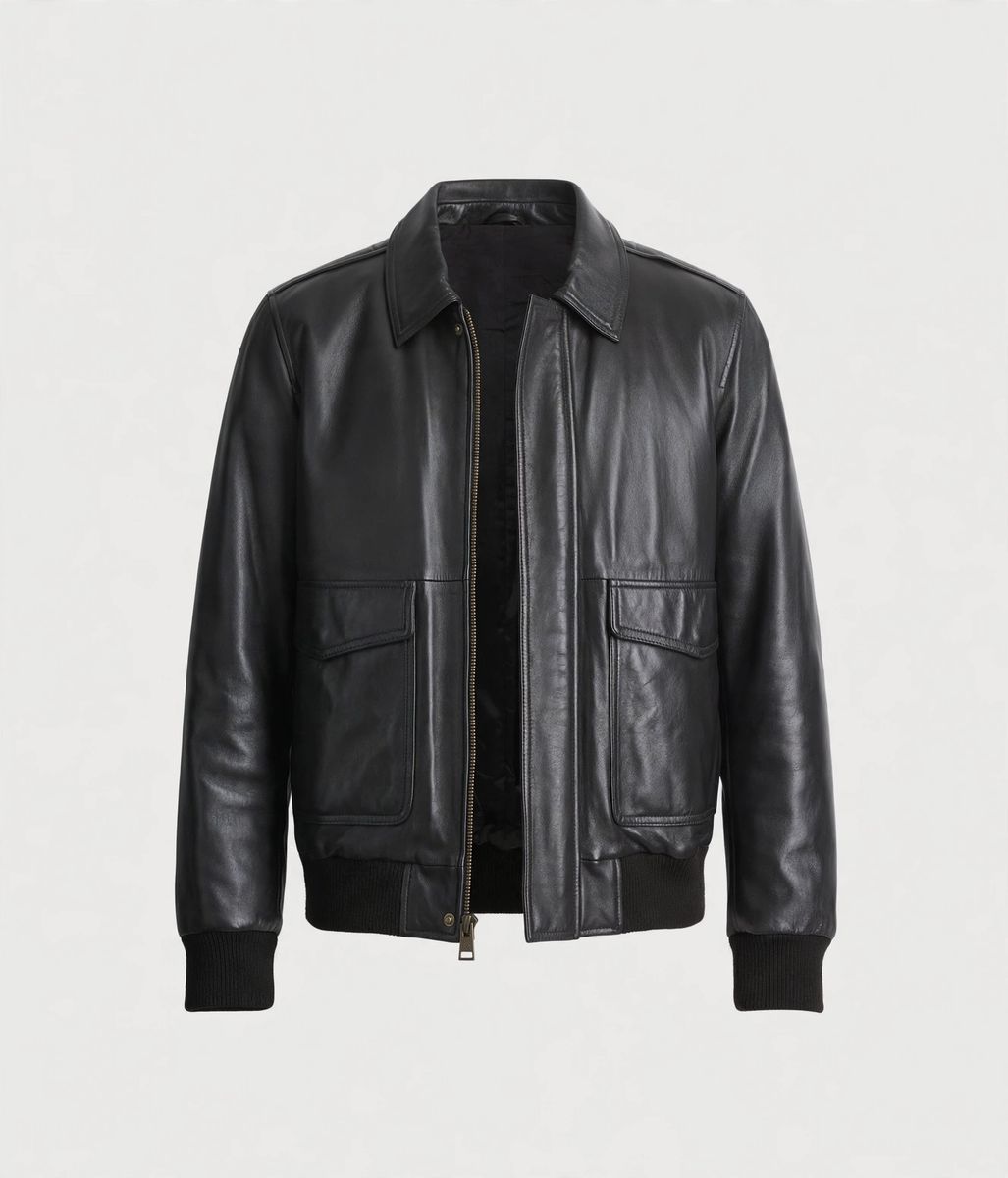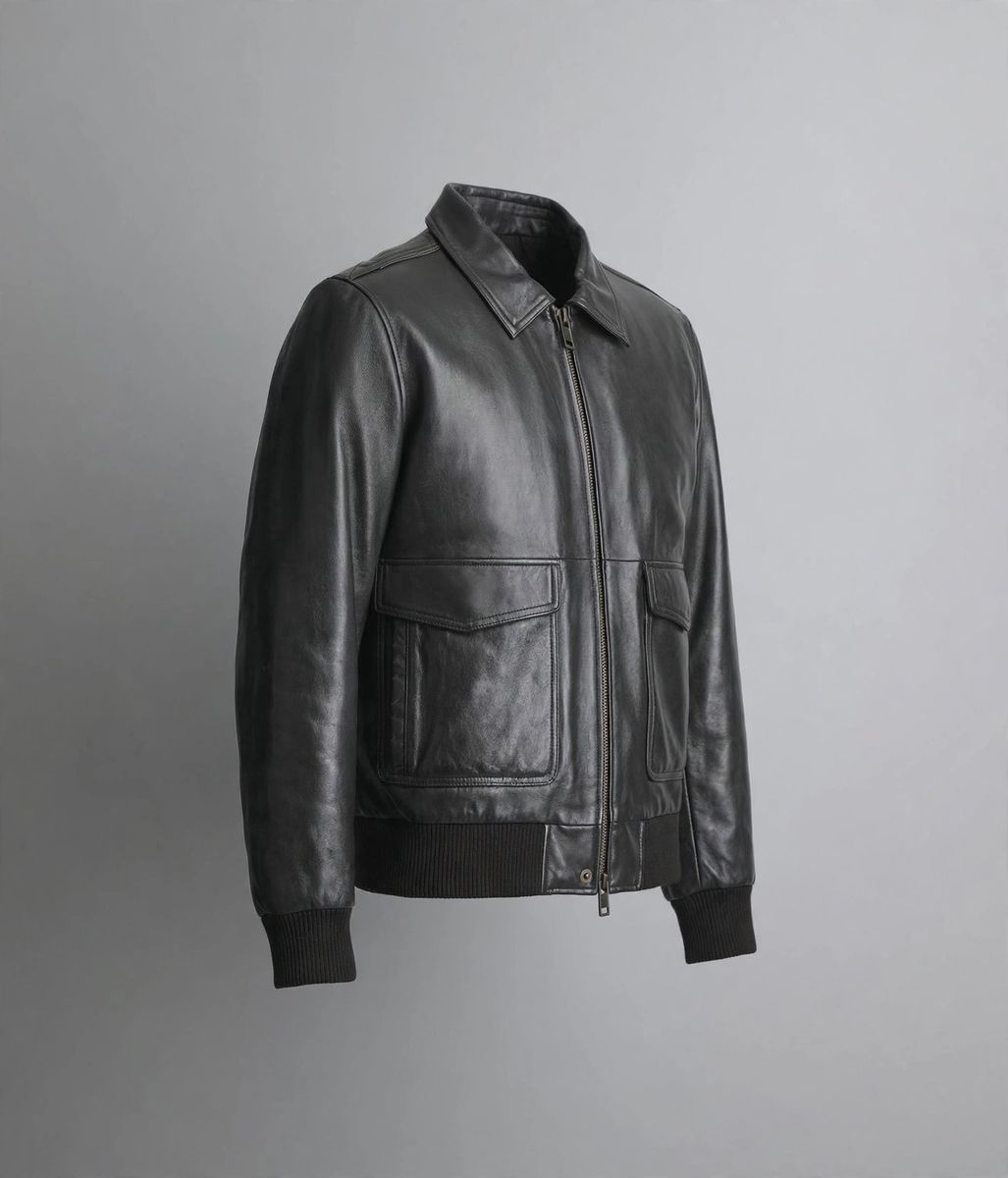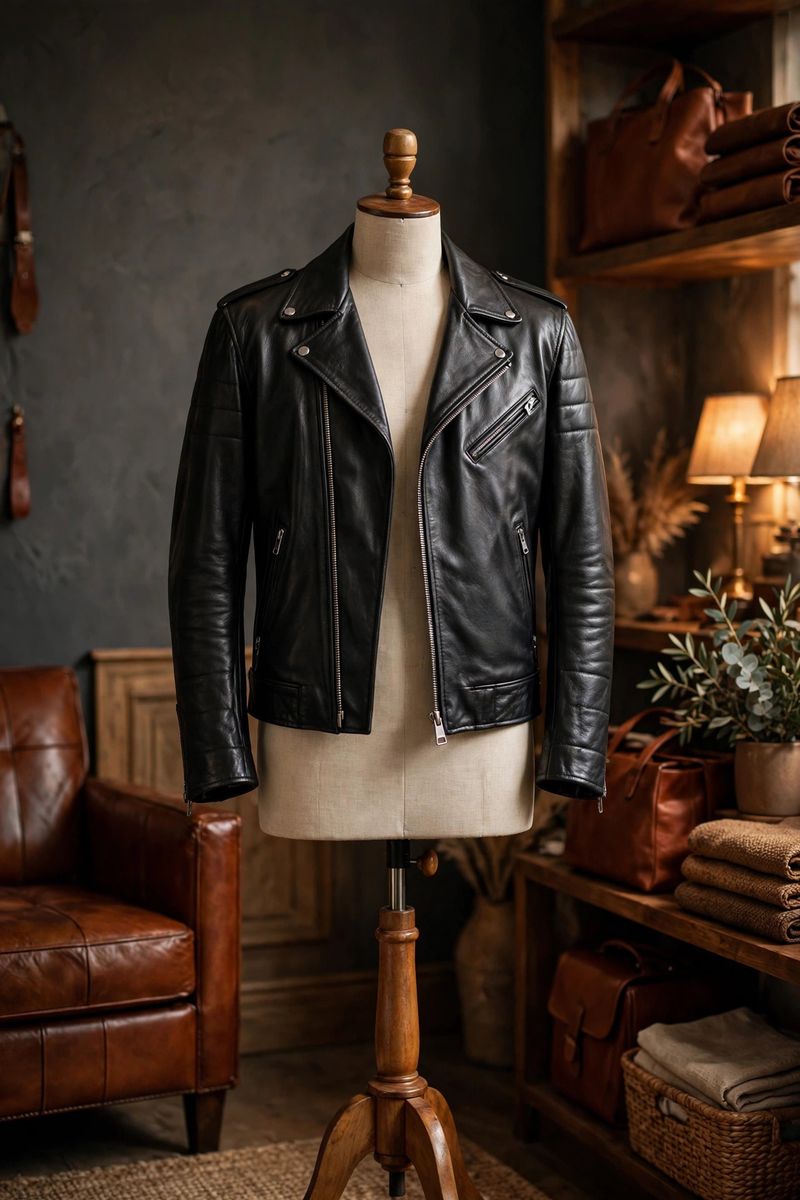
A first leather jacket is a strange purchase: it costs more than most clothes, it is expected to last longer than most cars, and almost everything about judging one — the leather, the fit, the construction — is knowledge nobody is born with. This guide puts the decisions in the right order and marks the beginner mistakes in advance, so your first jacket can be the one you are still wearing in a decade.
Step 1: Set a realistic budget
Real leather has a floor price set by the cost of the skins and the labour, and no honest seller can go far below it. As a rule: a jacket priced like fast fashion is not real leather, whatever the label hints (our real leather tests will prove it in a minute). A jacket priced sensibly for sheepskin or cowhide, from a seller who names the leather and offers returns, is the sweet spot. And judge by cost per wear: a jacket worn 150 days a year for ten years is cheaper per day than a disposable jacket worn for one season, at almost any ticket price.
Step 2: Choose the leather
For a first jacket, the answer for most people is sheepskin: soft from the start, tough enough for daily wear, moderate in weight, and forgiving of beginners. Cowhide is the choice if you want maximum toughness and enjoy breaking things in. Suede is beautiful but asks for a care routine from day one; shearling is a specialist winter purchase; lambskin and nappa are dressier and more delicate. The full comparison is in our types of leather guide — read it before you spend, not after.
Step 3: Choose the style (by wardrobe, not fantasy)
The three classics, honestly assessed in our style comparison: the bomber is the most versatile and forgiving first jacket; the racer is the smartest and most minimal; the biker is the boldest and the one to buy only if you already know it is you. Look at what you actually wear for a week. Mostly casual? Bomber. Smart-casual? Racer. The jacket should complete your existing wardrobe, not demand a new one.
Step 4: Choose the colour
Black if your wardrobe is cool-toned and this is your only jacket; brown or cognac if it is warm and denim-heavy. Deep colours if you are feeling connoisseur-ish. Brights and pastels are second jackets. Our colour guide walks through the pairings — it is a shorter decision than people fear, and the tiebreaker is the shoes you already own.
Step 5: Get the fit right
Measure your chest and shoulders and compare with the seller's size chart — never order by letter alone. Shoulders seated on the shoulder bones, zip closing without strain, sleeves at the wrist. Between sizes in a fitted style: up. Our size guide has the full method and the movement tests to run when it arrives. Buy only where exchanges are easy — a first-timer should treat the exchange policy as part of the product. Ours is 7 days, free shipping, cash on delivery, so the risk sits with us, not you.
Step 6: Check the construction details
- Zips: metal, smooth-running, with a brand name on better jackets. A cheap zip is the first thing to fail.
- Lining: smooth, fully attached, with an inside pocket. A lining that twists or bunches signals rushed construction.
- Stitching: even, dense, no loose ends, especially at pocket corners and cuffs.
- Weight: a real leather jacket has substance. If it feels like a windbreaker, it is not leather.
- Smell: warm and rich, never chemical. Your nose is a laboratory (see the leather tests).
Online or in store?
In store, you get fit certainty and the full sensory test — weight, smell, grain — in five minutes. Online, you get range, price transparency and time to think, at the cost of fit risk. The modern answer is to combine them: research online (leather type, style, colour, construction), then buy where the exchange policy is honest, measure yourself properly, and run the fit tests at home in your own mirror with your own clothes. A first jacket bought online with a tape measure and a real returns policy is a safer purchase than one grabbed in a shop because the assistant was charming. What you should never do is buy final-sale, no-returns, from a seller who will not name the leather — that combination is where beginner money goes to die.
The beginner mistakes, collected
Buying the fantasy style instead of the wardrobe style. Ordering by letter size without measuring. Choosing a fashion colour as a first jacket. Paying real-leather money for bonded or faux because the listing said "genuine". Buying so tight it "looks sharp" in the mirror and cannot be driven in. And the quietest mistake: buying a jacket so precious-feeling that you are afraid to wear it.
A last word on faux, because beginners ask: a good faux leather jacket is a legitimate choice — for budget, for ethics, for a first experiment with a style. Buy it as faux, at a faux price, from a seller who labels it honestly, and enjoy it for what it is. The only bad purchase is faux at a real-leather price, or real leather so cheaply made it behaves like faux. Everything in this guide — measuring, fit tests, construction checks — applies to both; only the material tests differ. A leather jacket improves with wear — the creases, the patina, the softening are the product. Buy it, wear it constantly, follow the simple care routine, and let it become yours. That is the entire secret, and it is a good one.