Almost every leather jacket you will ever see is a descendant of three designs: the biker, the bomber and the racer. They were all invented for practical reasons — riding, flying, and racing — and a century later they still carry those personalities. Choosing between them is less about fashion and more about fit, formality and how much attention you want your jacket to ask for. Here is how they really differ.
The biker (moto): the statement
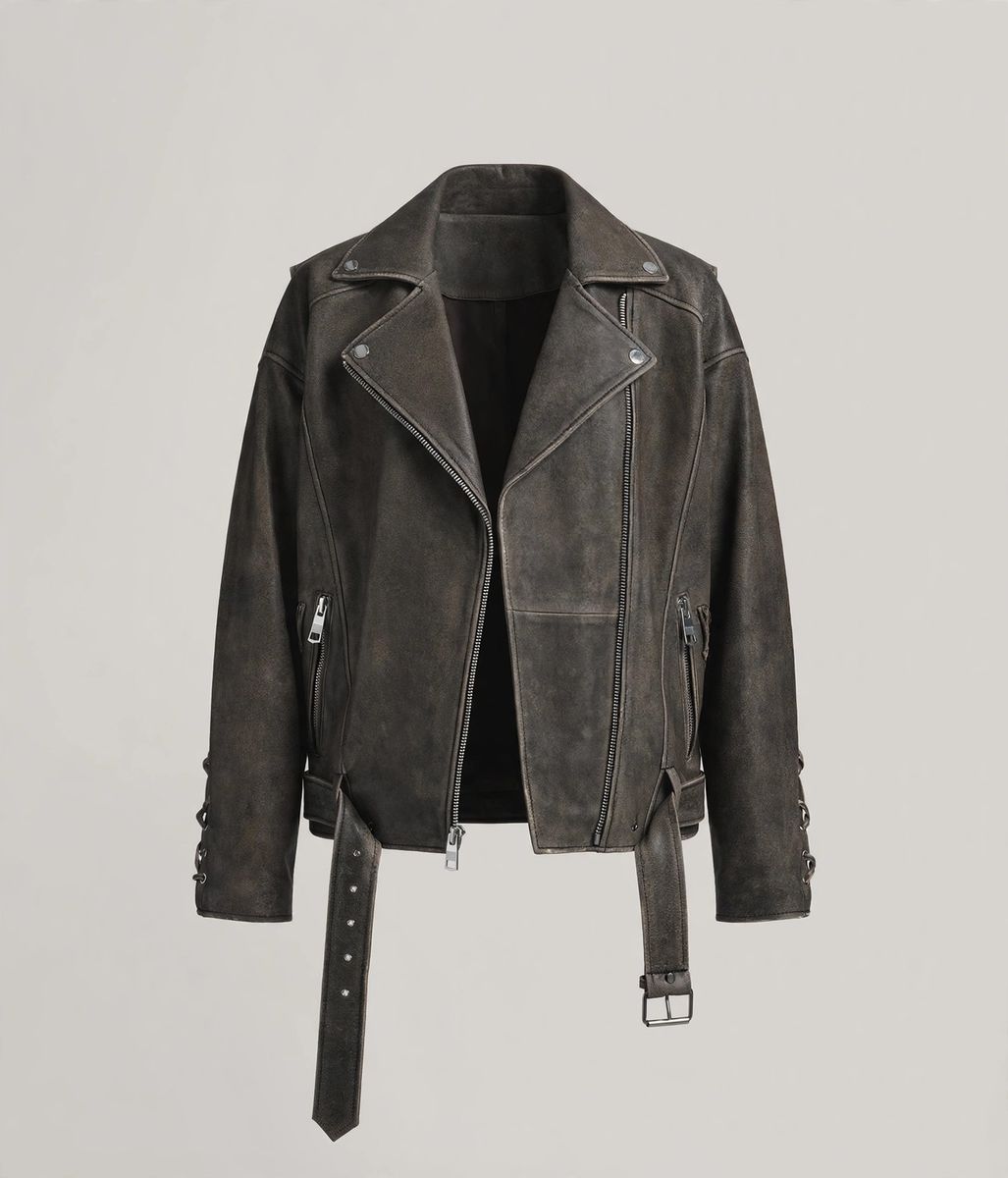
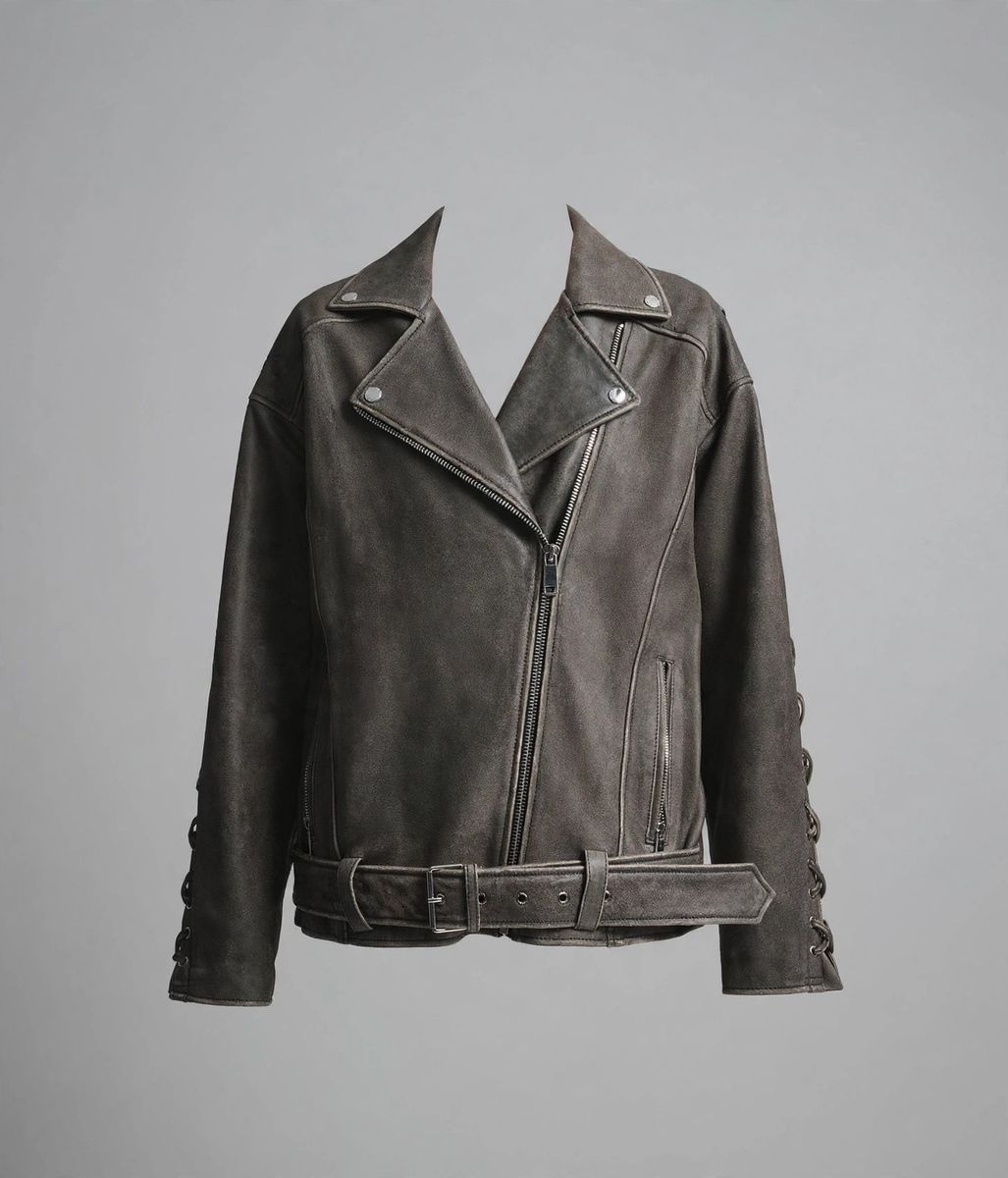
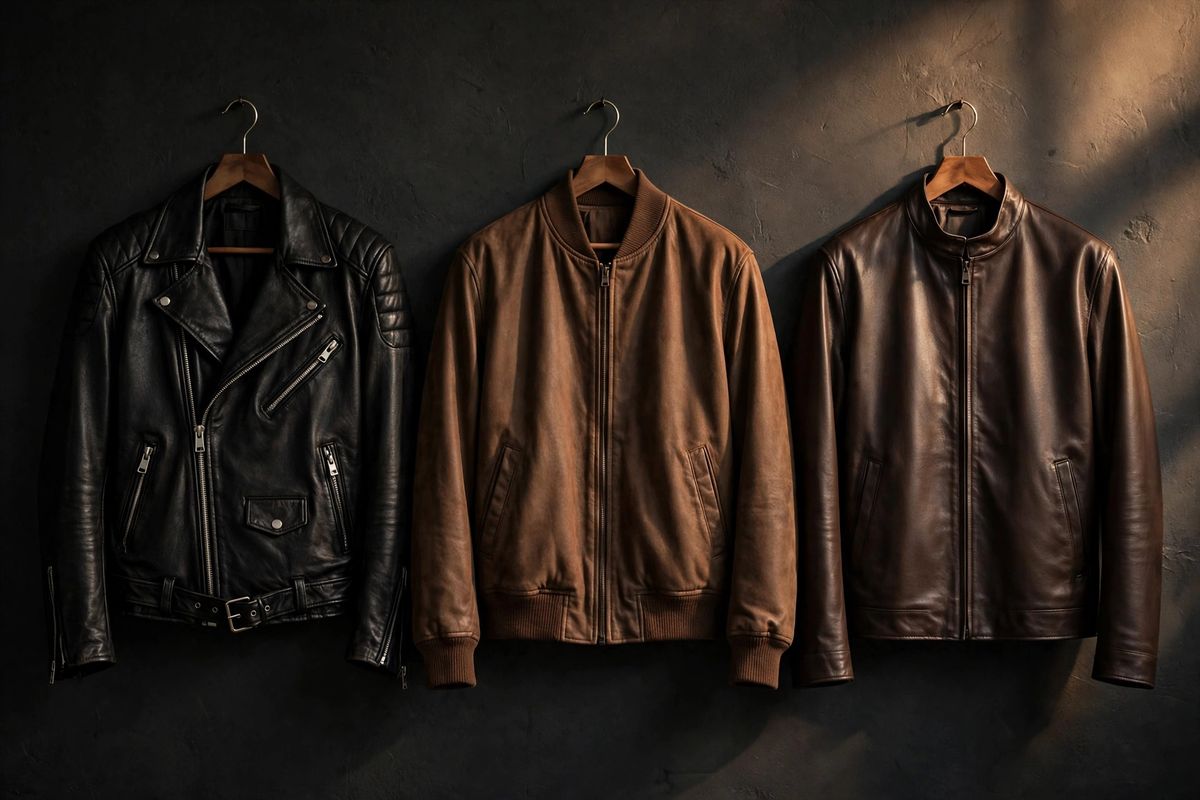
The biker — also called a moto or, in its classic form, the Perfecto — is defined by its asymmetric front zip, wide snap-down lapels, zipped cuffs and (often) a belted waist. It was designed in 1928 for motorcyclists: the offset zip kept wind out in a riding crouch, and the lapels snapped down so they would not flap.
Fit: close and structured, ending at the belt line. Personality: the most assertive of the three. A biker adds edge to everything under it, which is exactly why people buy it — and why it can overwhelm a very formal outfit. Wear it with: tees, knitwear, denim, boots. For women, it is also the classic contrast over dresses — see the Briana Oversized Moto for the modern, relaxed take. Choose it if: you want the jacket to be the outfit.
The bomber: the diplomat
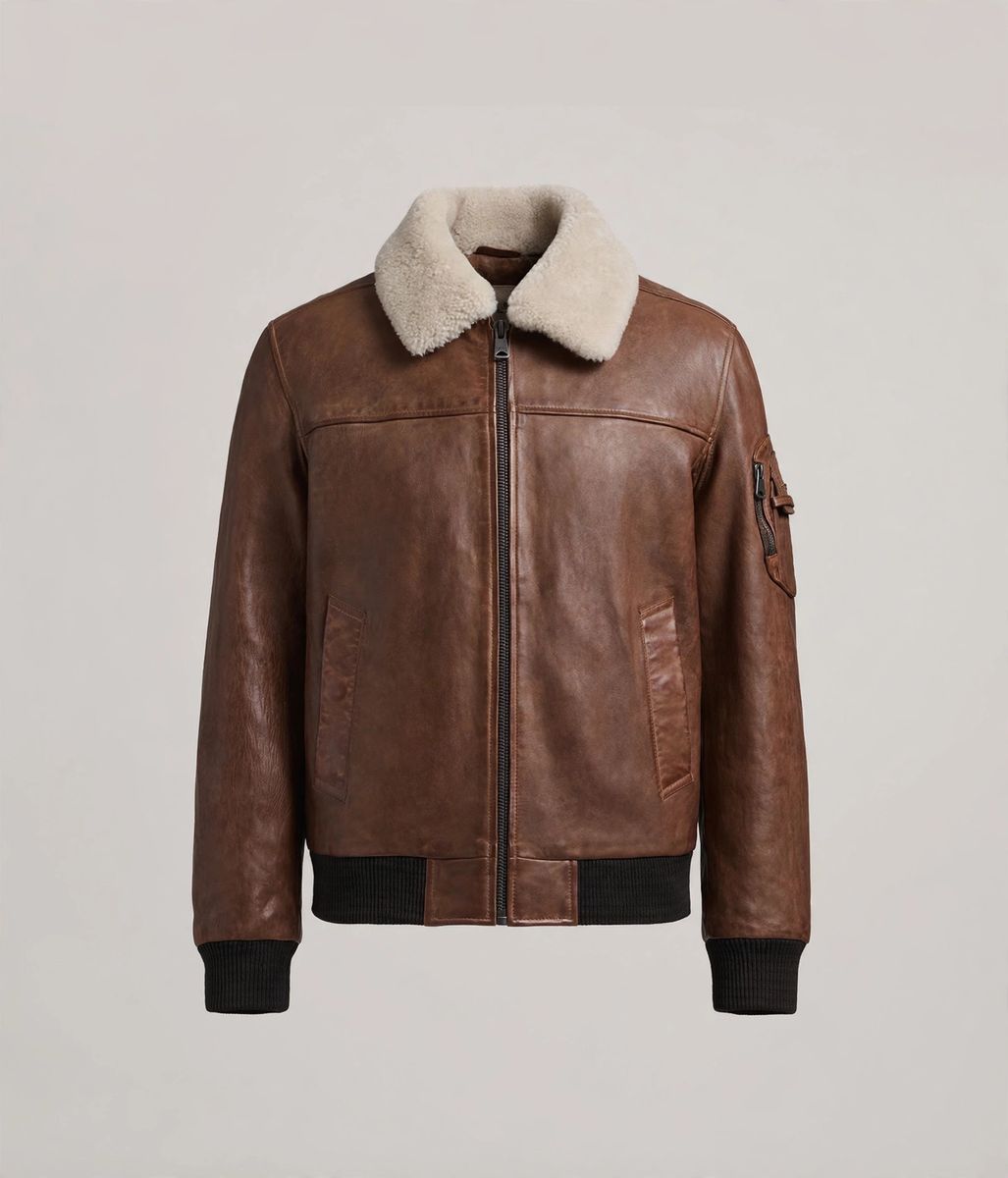
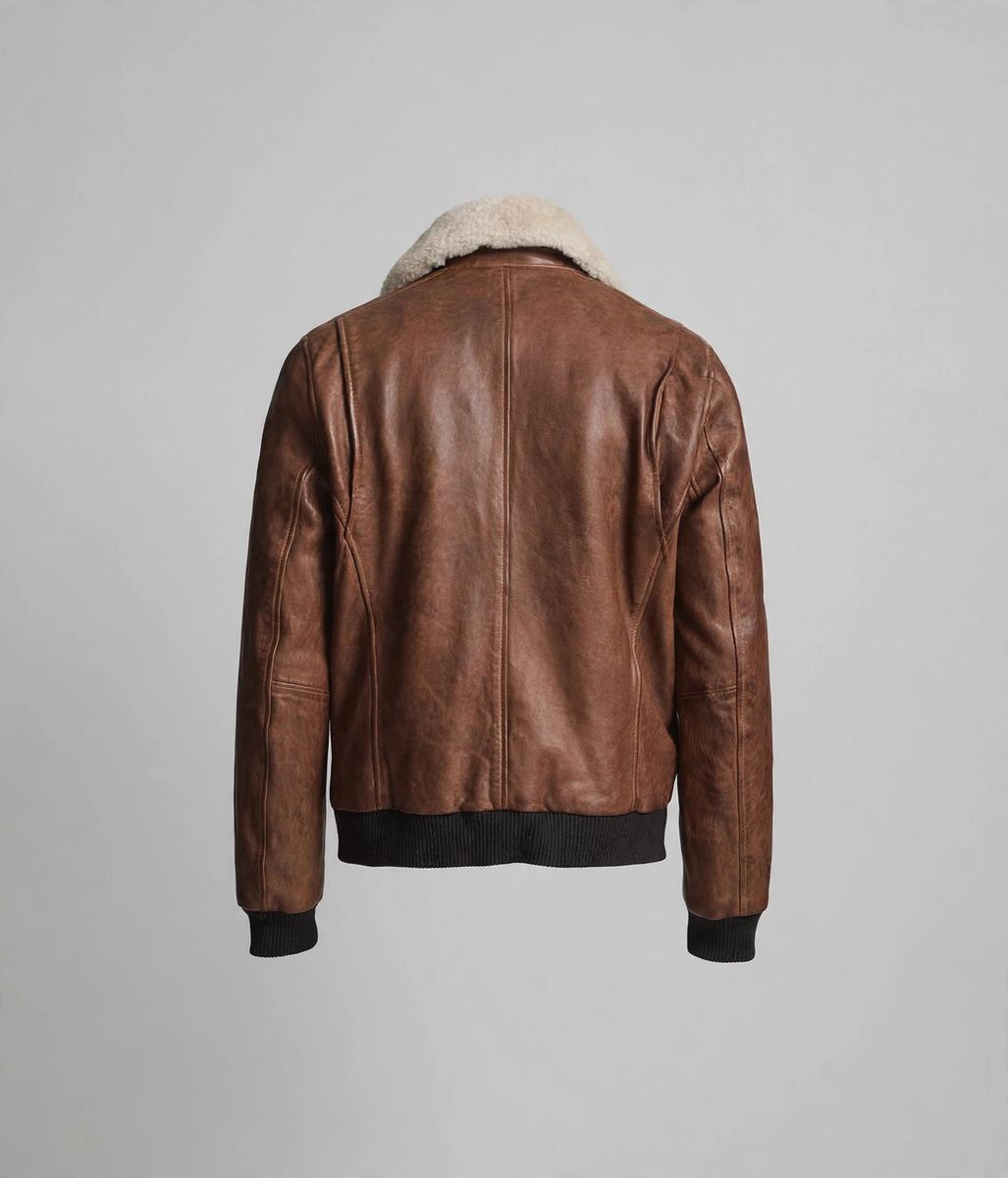
The bomber descends from flight jackets: a zip front, a softer collar (or a shearling one on aviator versions), and ribbed cuffs and hem that trap warmth. Where the biker is structured, the bomber is forgiving — the ribbed hem does the shaping, so the body can be relaxed.
Fit: easy through the body, sitting on the hips. The most layer-friendly of the three. Personality: casual, warm, democratic. A bomber rarely looks wrong, which makes it the safest first leather jacket and the easiest to wear daily. Wear it with: almost anything casual — denim, chinos, trainers, boots. Shearling-collar versions like the Ace Bomber lean winter; clean versions lean year-round. Choose it if: you want one jacket for everything, with room for jumpers underneath.
The racer: the minimalist
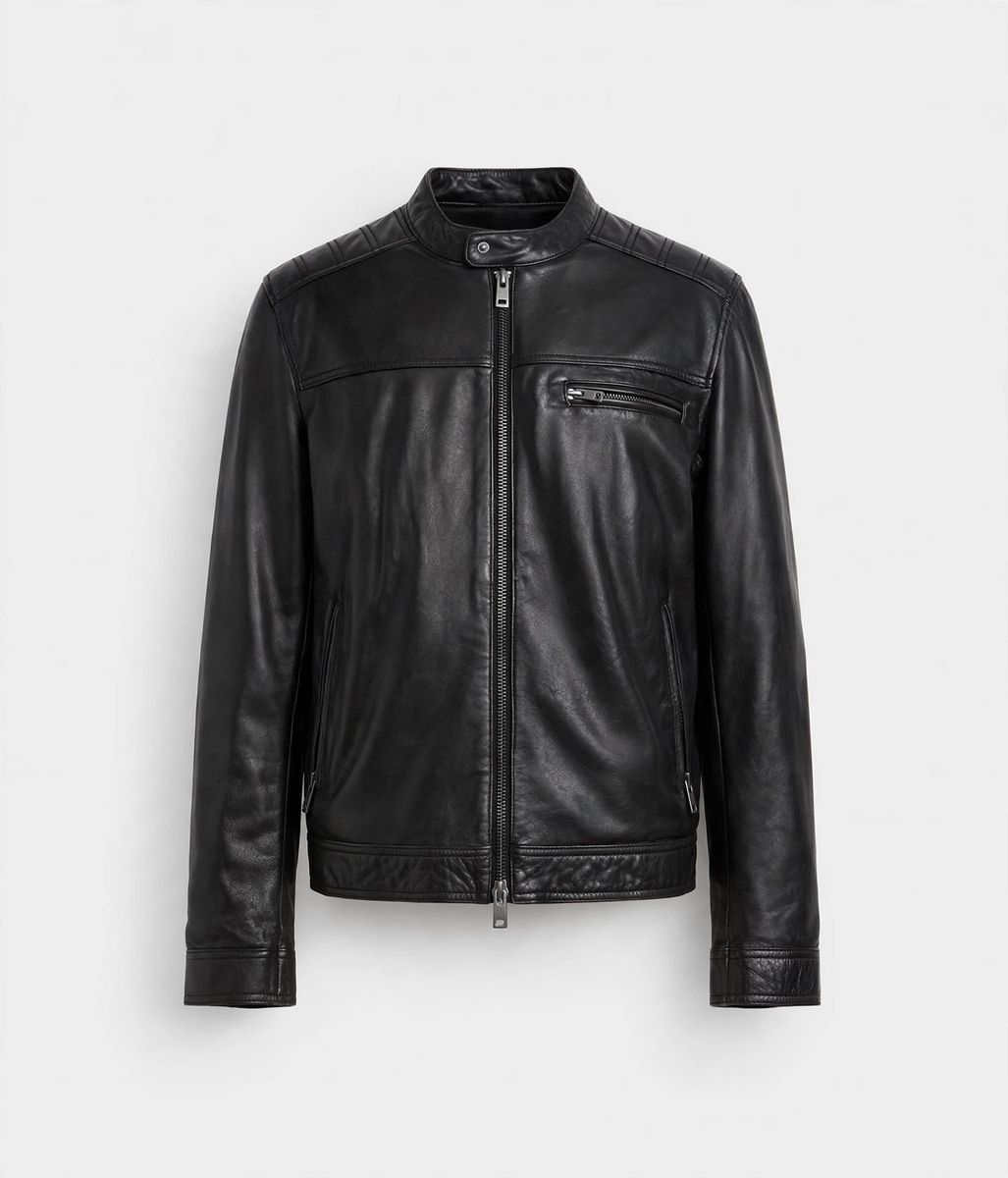
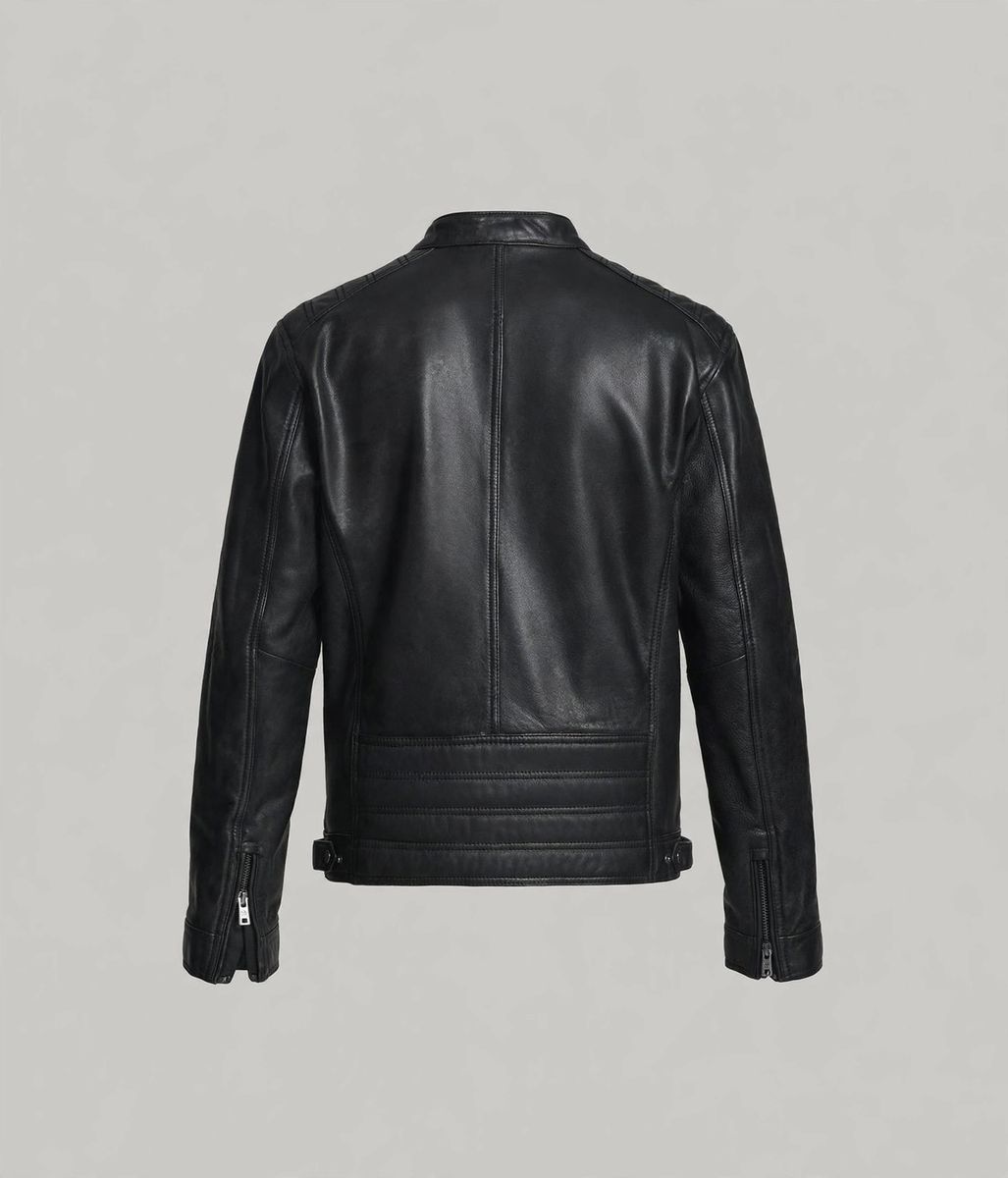
The racer — café racer — is the biker stripped for speed: a straight centre zip, a small snap stand collar, minimal hardware, no belt, no lapels. It appeared when riders started stripping their jackets down to race between cafés, and it has kept that lean, engineered feel ever since.
Fit: the slimmest of the three, following the body closely. Personality: quiet and precise. A racer does not shout; it looks sharp the way a well-cut suit looks sharp. It is also the easiest of the three to dress up — it sits happily over a shirt. Wear it with: slim trousers, shirts, fine knits, Chelsea boots. The Ethan Racer is the template. Choose it if: your style is minimal and you want polish rather than edge.
Side by side
- Most formal: racer, then bomber, then biker.
- Warmest: bomber (especially with shearling), then biker, then racer.
- Most forgiving fit: bomber. Slimmest fit: racer.
- Most hardware and attitude: biker. Least: racer.
- Best first jacket: bomber for versatility, racer for a smarter wardrobe, biker if you already know it is your look.
Trying them on: what to do in the first five minutes
Whichever style you choose, the fitting room (or your hallway, with our 7-day exchange as backup) tells you the truth. Zip the jacket fully over the layer you will wear most. Then: sit down, reach forward as if driving, and lift both arms. A biker should not ride up past your belt when you reach; a bomber's ribbed hem should stay on your hips; a racer should feel close without the zip pulling at the chest. Check the back in a second mirror — the shoulder seams should sit on your shoulder bones on all three styles, and the back panel should hang smooth, not balloon. Sleeves end at the wrist bone; on a biker, zipped cuffs can sit a fraction longer.
A word on body types
Tall frames carry all three styles easily — just watch jacket length, especially on racers, which are cut short by design. Broader builds usually find the bomber most comfortable, because the ribbed hem forgives the midsection and the body has room; a structured biker can also work beautifully if the shoulders fit. Slimmer builds wear racers best, since the close cut follows a lean frame instead of swamping it. Petite frames should look at cropped versions of any style rather than sizing down a standard cut — the proportions (pocket placement, sleeve length, collar size) are designed for the shorter body, not just scaled. None of this is a rule, exactly; it is a starting point. The mirror and the five-minute test outrank any guide, including this one.
What about the others?
The aviator is really a bomber variant with a big collar and a winter brief — covered in our aviator jacket guide. The trench is the outlier: a long, belted, tailored coat that behaves more like tailoring than a jacket, and the shirt jacket is the lightest, most casual member of the family. But master the big three first: between them, they cover ninety per cent of what anyone needs from leather. If you are still deciding, our first leather jacket buying guide walks through the decision step by step.
One last piece of advice: try the style that matches the rest of your wardrobe, not the one that matches an imaginary version of you. The best jacket style is the one that disappears into your life and gets worn two hundred days a year.