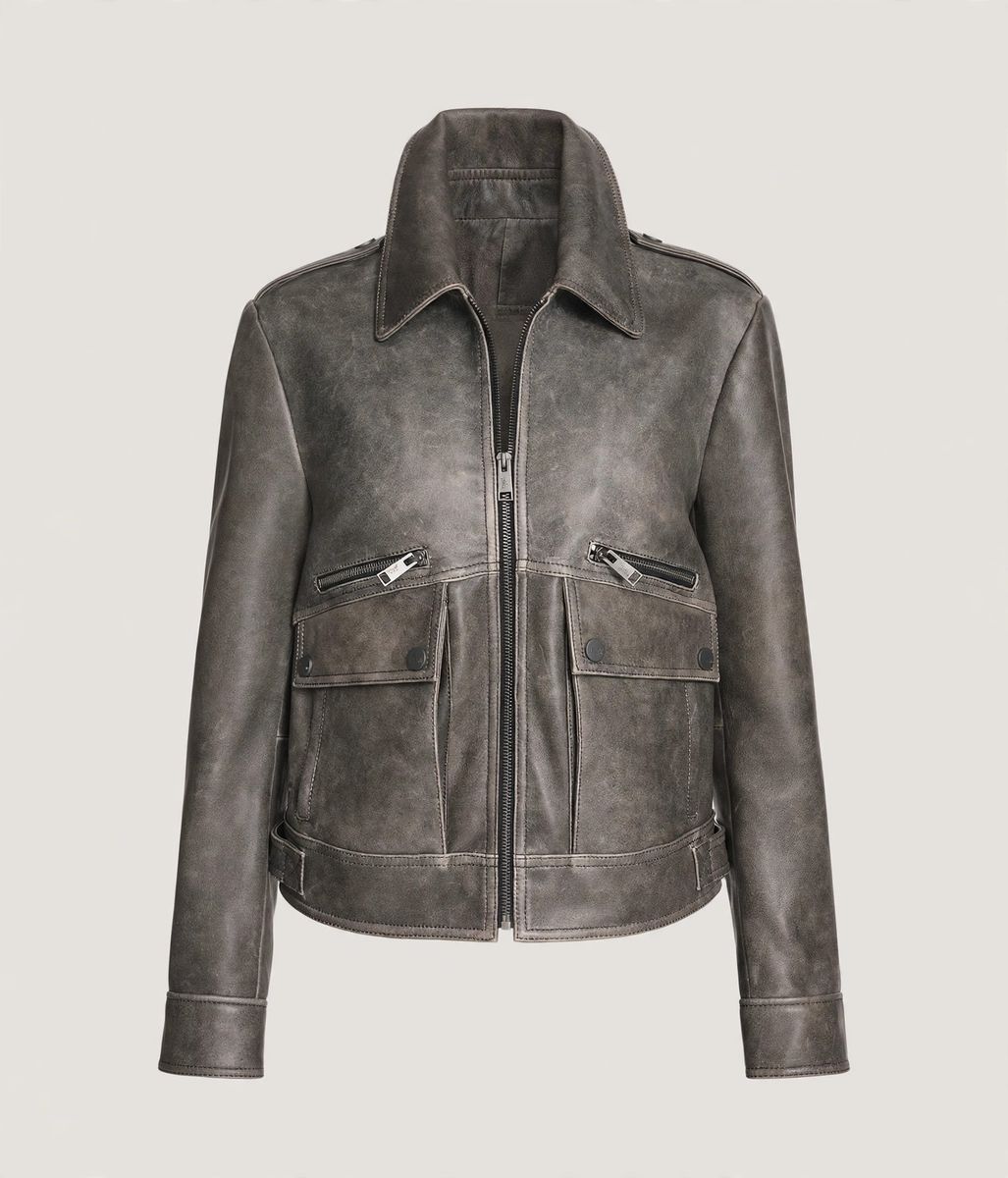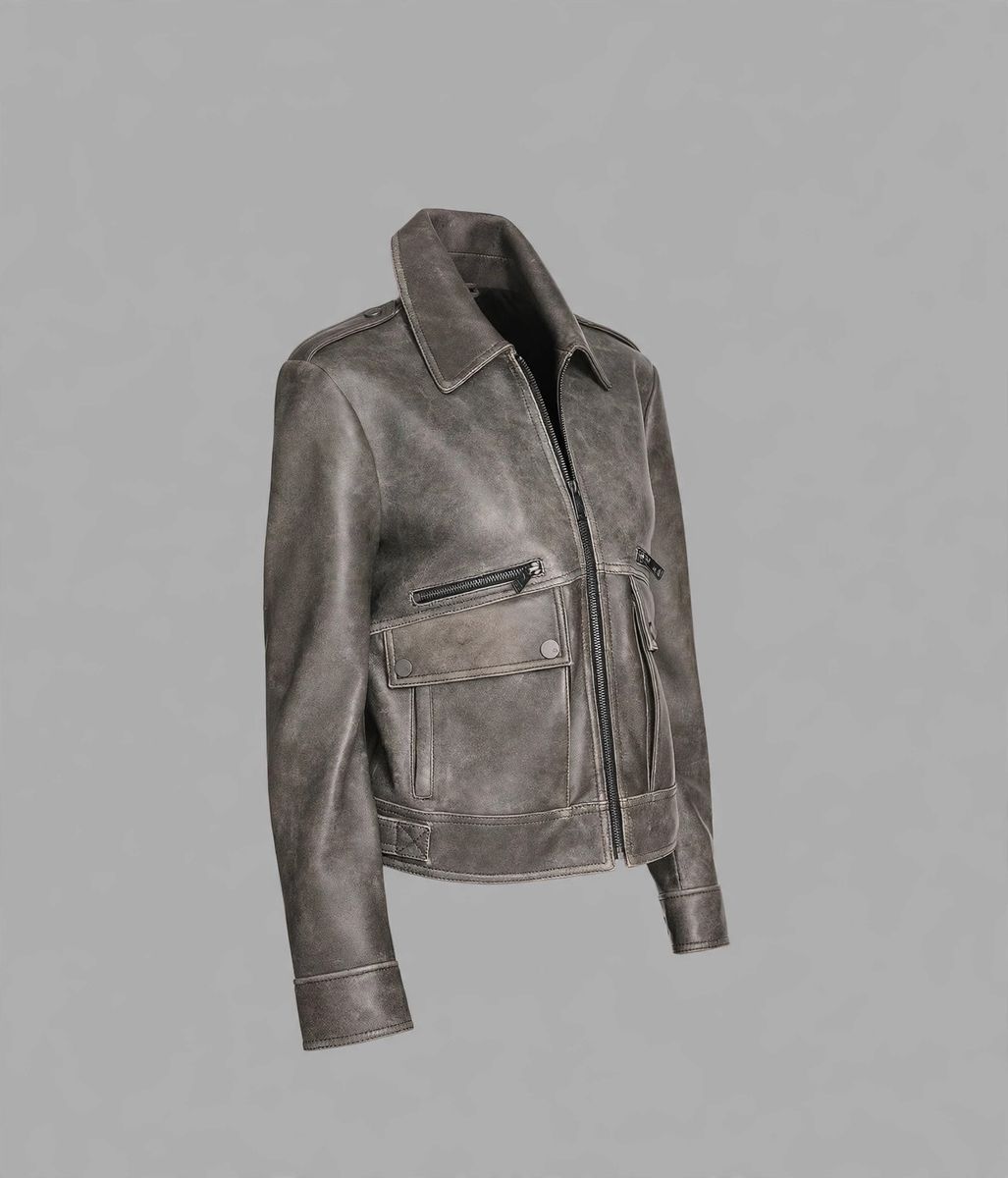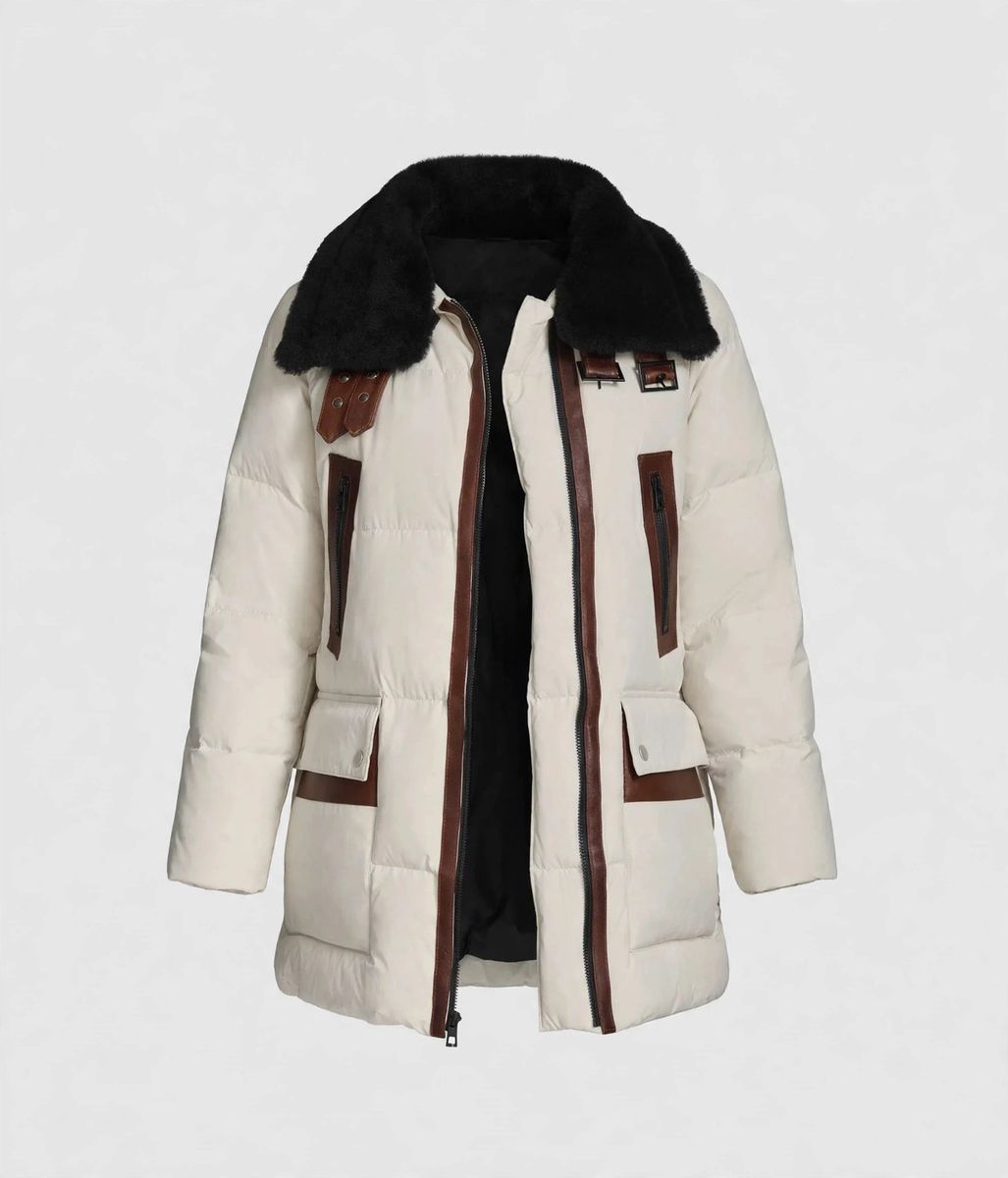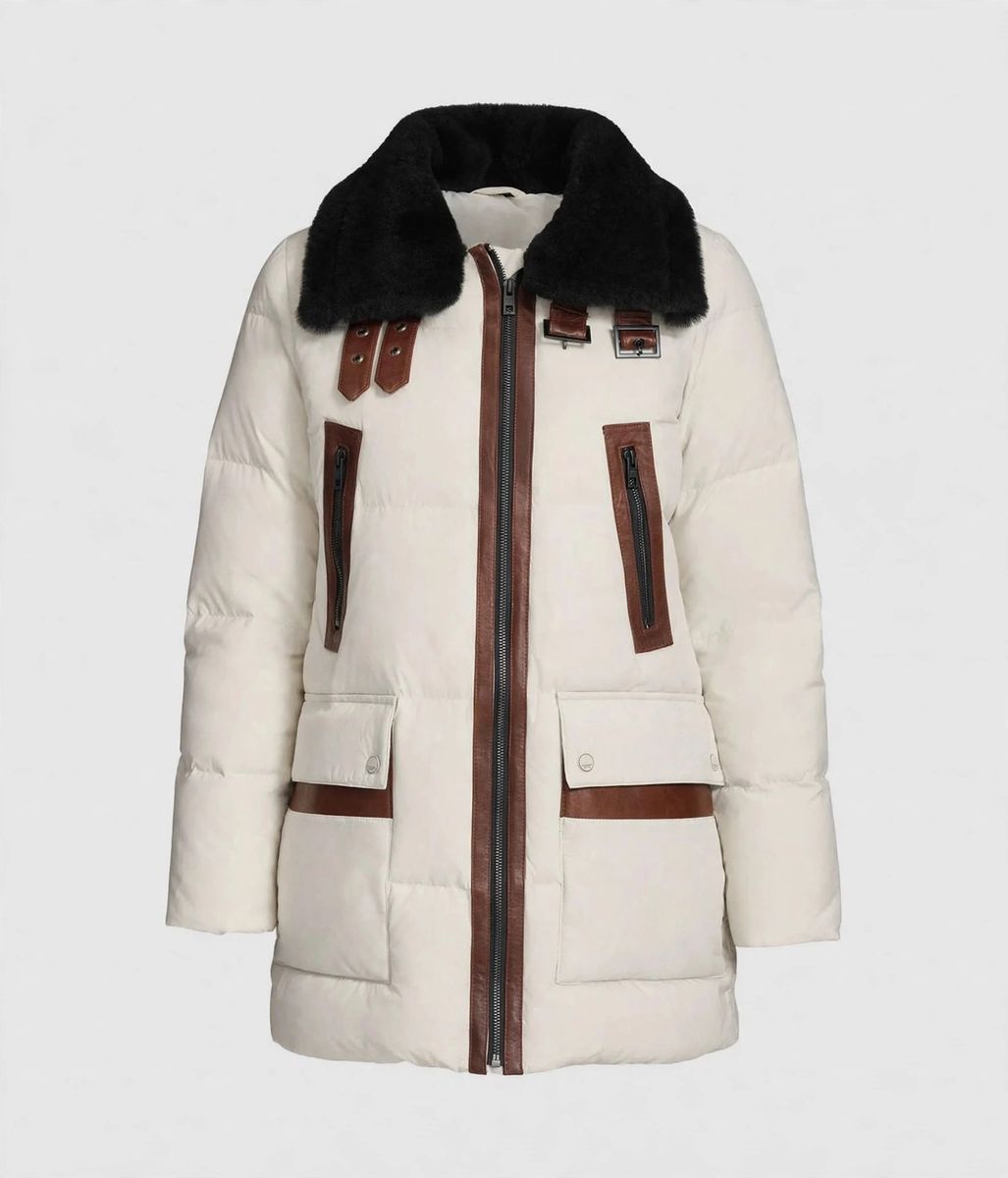
Every classic jacket style was designed for a job, but the aviator was designed for the hardest job of all: keeping a pilot alive in an open cockpit at altitude, in winter, in a machine made of wood and canvas. The result — a leather jacket with a huge collar, serious insulation and a silhouette built around warmth — became one of the most enduring designs in menswear and womenswear alike. Here is where it came from, how it should fit, and how to wear it today.
A short history of the flight jacket
Early aviators wore long leather coats borrowed from motorists, but as aircraft climbed higher in the First World War, the cold became a genuine threat — frostbite at altitude was routine. The answer was a shorter jacket that would not tangle in the cockpit, made of leather to block the wind, lined with sheepskin or fur for insulation, and finished with a collar that could be turned up and strapped shut against the slipstream.
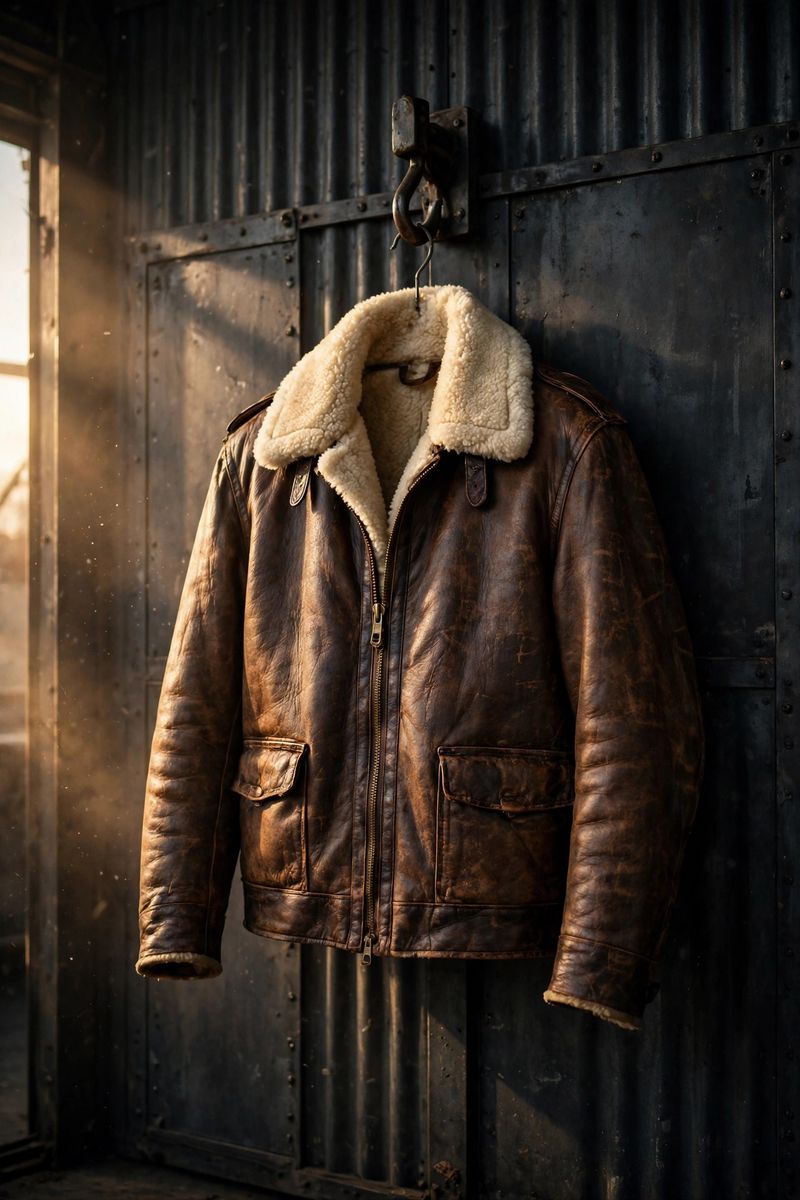
The design was perfected between the wars and standardised in the Second World War: the American A-2 (a lighter, unlined summer flight jacket) and the heavier B-3 bomber jacket, a full shearling design with a dramatic collar and straps. The RAF's Irvin jacket — sheepskin, fleece out at the collar and cuffs — became an icon of the Battle of Britain. After the war, surplus jackets flooded civilian wardrobes, films did the rest, and the aviator never really left. The modern aviator jackets in our collection descend directly from those patterns, softened for civilian life.
The anatomy of an aviator
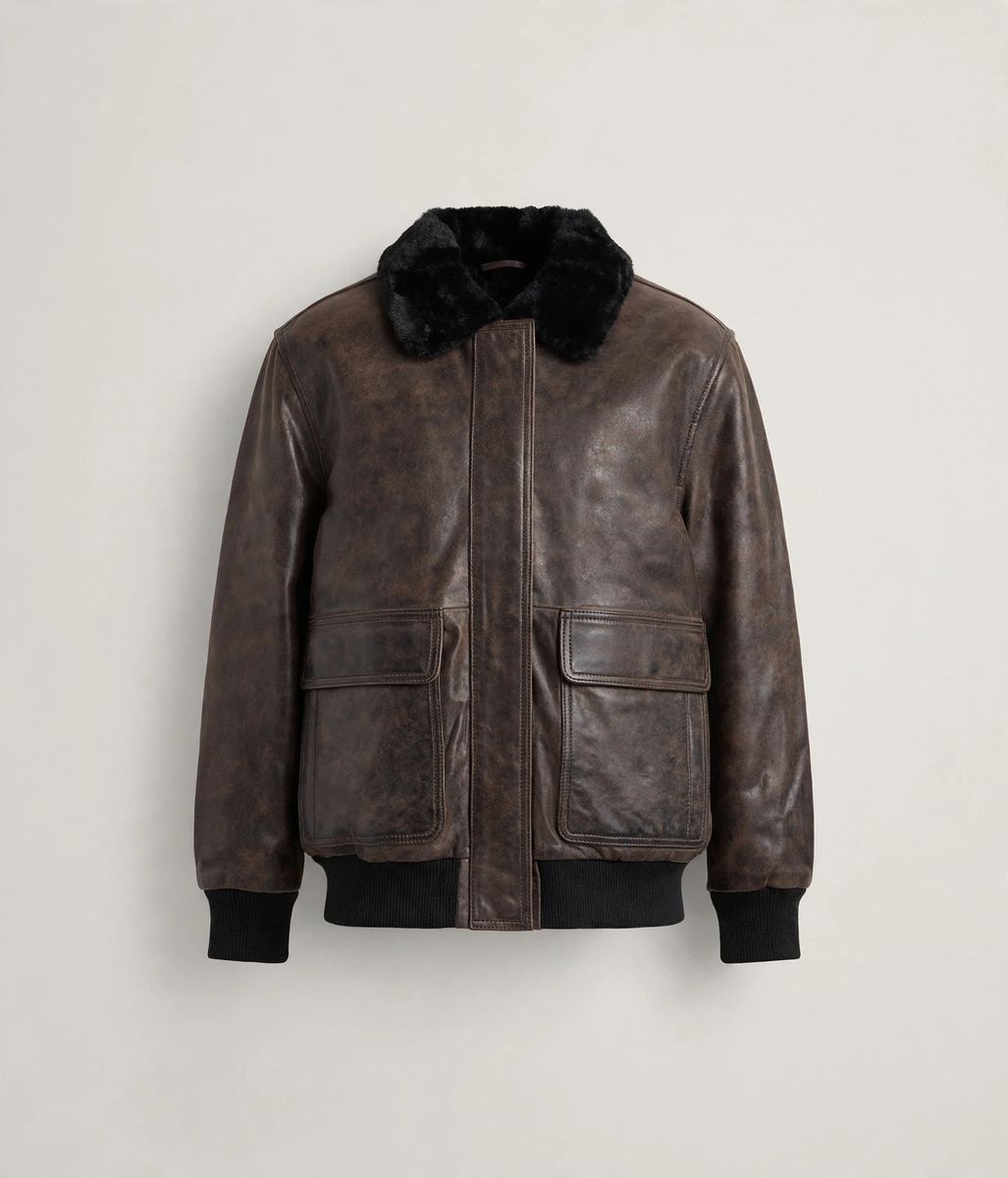
- The collar is the signature: oversized, shearling or fleece-faced, designed to turn up and close around the neck. On a true aviator, the collar is functional, not decorative.
- The insulation is shearling, faux shearling or a warm quilted lining — an aviator without warmth is just a bomber with ideas.
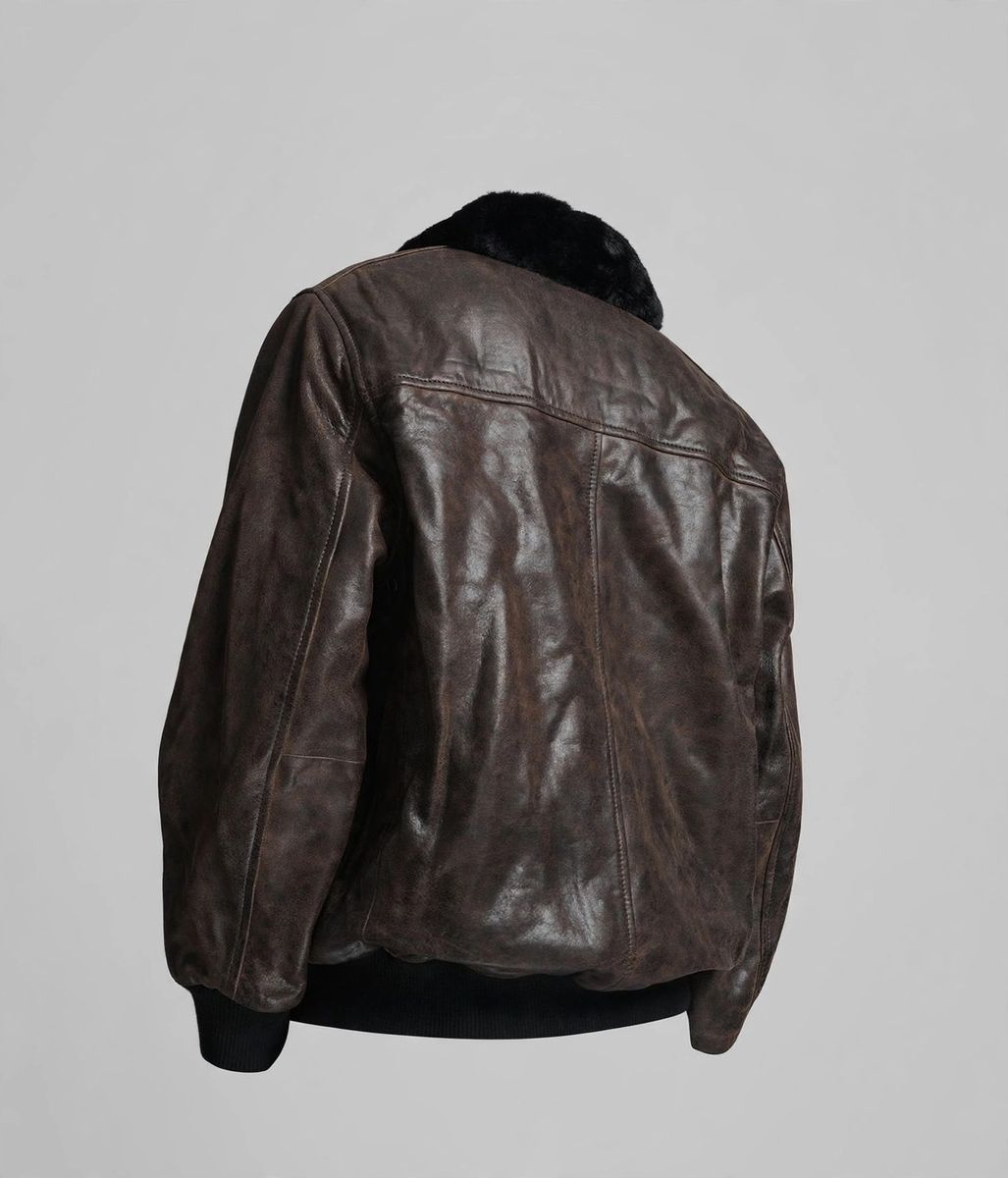
- The body is slightly roomier than a biker or racer, because it was cut to go over uniforms and knitwear.
- The details — buckle straps, storm cuffs, a heavy front zip — all descend from cockpit practicality.
How an aviator should fit
Fit it like a winter jacket, not a fashion piece. The shoulders should sit correctly (as always, this is non-negotiable), the body should close over a proper jumper without straining, and the hem should sit at the hip. The collar, turned up, should meet your jaw without swallowing your face — if you disappear into it, the size is too big. Sleeves can run a fraction long; they were designed to cover gloves. Our size guide covers the measuring basics, and the fit logic is the same as any leather jacket: shoulders first, then the zip test over your thickest layer.
Buying an aviator: the checklist
Because an aviator is a bigger purchase than most jackets, judge it on these points. Collar construction: the collar should stand up on its own and stay up; a collar that flops flat when raised will annoy you every cold day of the jacket's life. Fleece density (on shearling): run your fingers against the wool — it should be dense and springy, with no thin patches, and the same depth at the cuffs and hem as at the collar. Zip weight: winter jackets need serious zips; a flimsy zip on a heavy jacket is a failure waiting for its first January. Weight balance: lift it by the hanger — the weight should feel distributed across the shoulders, not dragging from the collar. Lining at the sleeves: your arms must slide in over a jumper without the lining gripping; quilted or smooth sleeve linings matter more than body lining here. And the usual leather checks apply — the animal named, the grain irregular, the smell right (our leather tests take two minutes). A jacket like the Dutton Aviator passes these checks in person in about ninety seconds; any aviator that cannot is priced on hope.
How to wear it now
The aviator's volume is its styling rule: keep everything underneath and below it clean. Dark jeans or tailored trousers, boots, and a plain knit or tee under the open zip. The collar does the talking, so skip the scarf unless the weather genuinely demands one — and if it does, tuck it inside the collar rather than competing with it.
For women, an aviator over a knit dress or with high-waisted trousers and a fitted top balances the jacket's breadth beautifully; the Addis Aviator shows the silhouette at its most wearable. For men, the Ace Bomber with denim and boots is the classic civilian uniform.
A note on seasons: the true shearling aviator is a deep-winter garment — in a mild climate you may get twenty wears a year from it, which changes the cost-per-wear maths entirely. If your winters are short, choose a lighter aviator: sheepskin with a fleece collar rather than a full shearling body, or a faux version, and it will earn its place from October to March. The silhouette is the same; only the insulation changes.
What to avoid: wearing it with anything else "themed" — flying goggles, scarves with tails, military boots with straps. The jacket carries a century of history on its own; it does not need a costume department. And if you are deciding between real and faux shearling versions, our shearling comparison lays out the warmth, weight and cost honestly. Worn plainly, the aviator is what it has always been: the warmest, most handsome answer to winter that leather has ever produced.