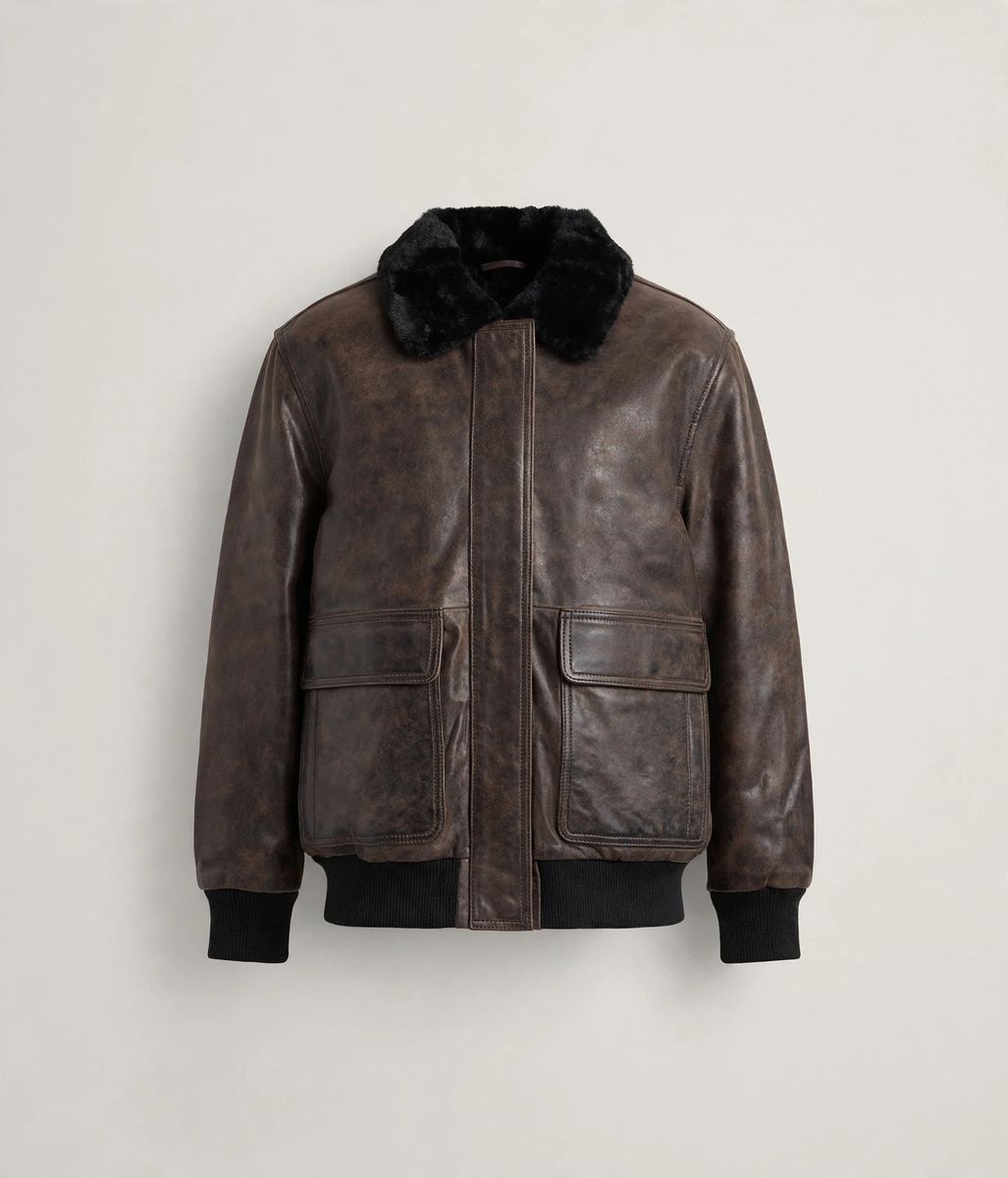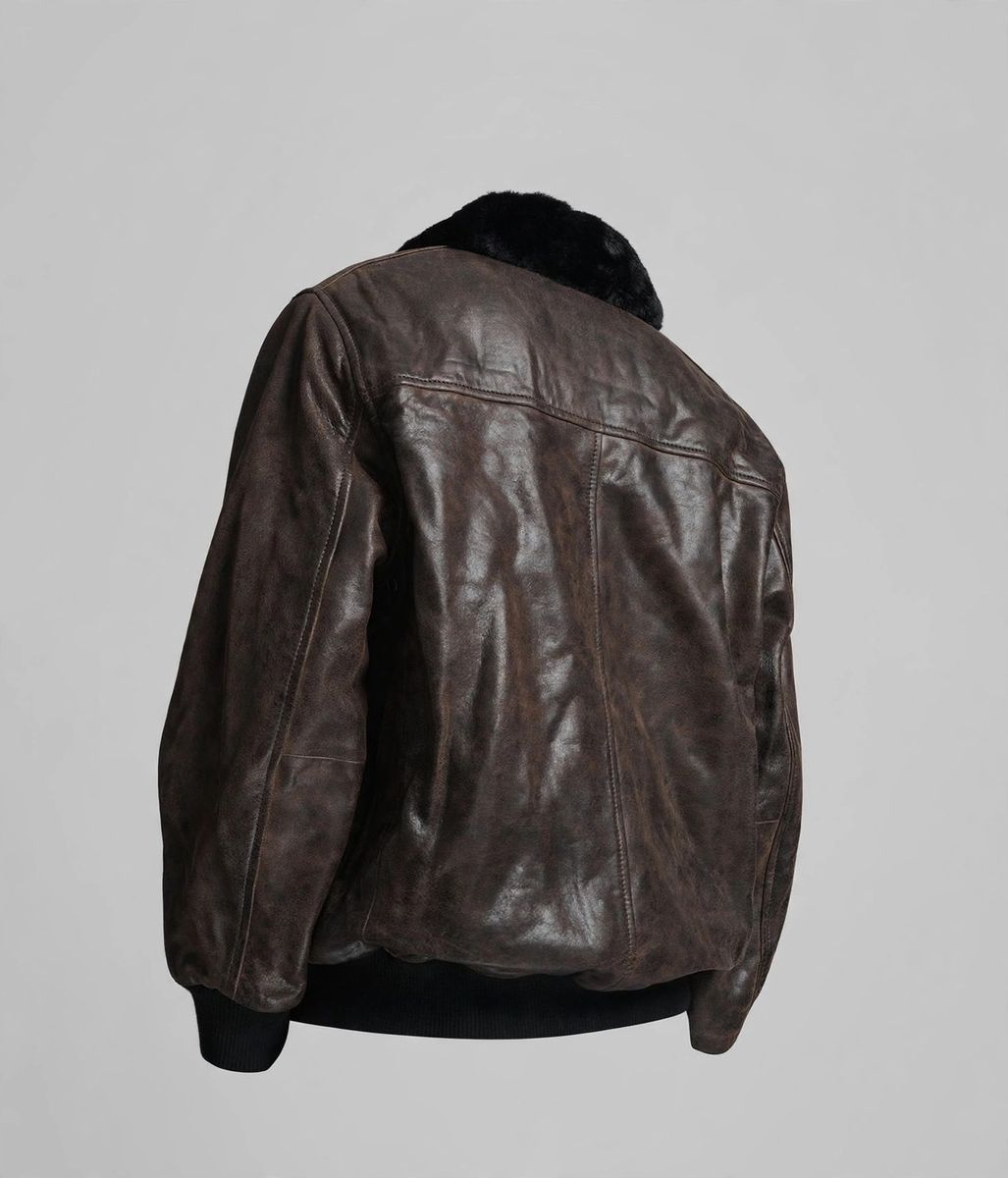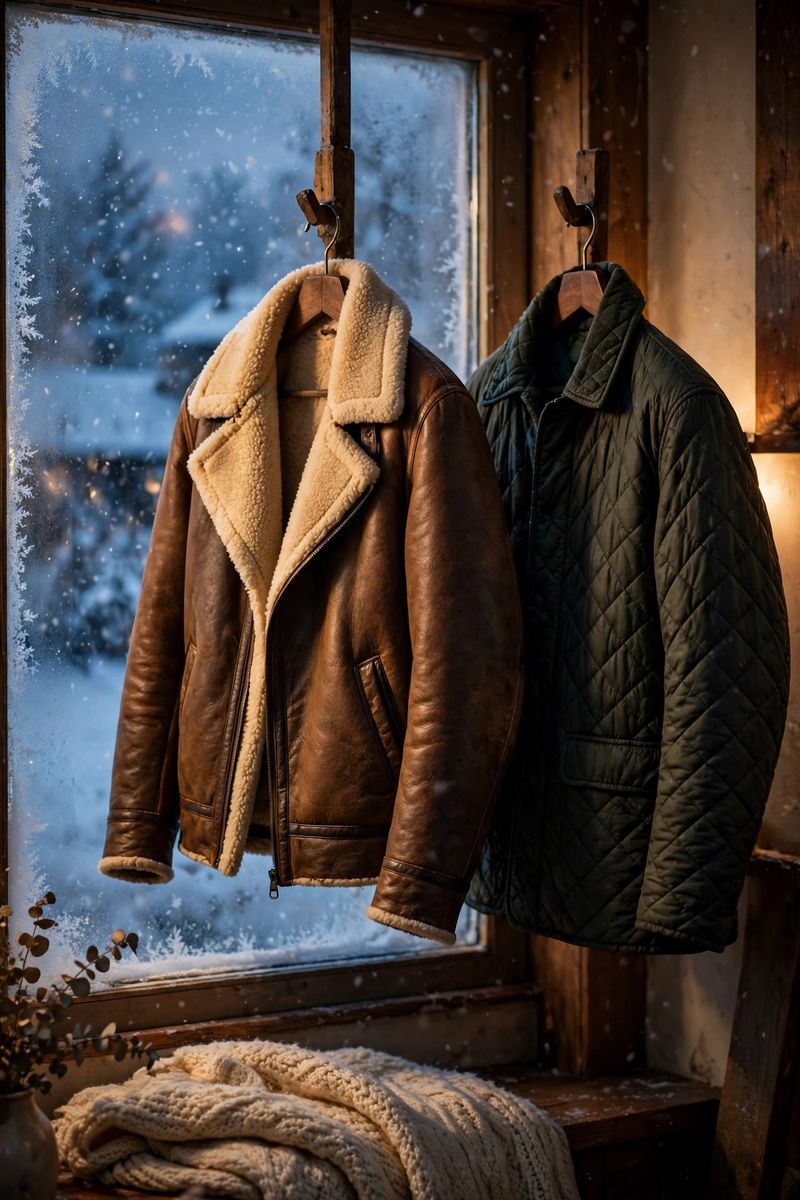
Here is the fact that organises this entire guide: leather itself is a superb wind-blocker and a mediocre insulator. A leather jacket keeps you warm by stopping the wind from stripping heat away — but the actual warmth comes from what is inside the leather: fleece, fur, quilting, or the knitwear you layer beneath it. Rank winter jackets by their insulation system and the order becomes obvious. Here it is, warmest first, with honest guidance on the temperatures each can handle.
1. Full shearling — the champion
A genuine shearling jacket or coat — leather outside, a full natural fleece inside — is the warmest thing in the leather family, and it is not close. Wool traps air in millions of pockets, regulates temperature as you move between outdoors and heated rooms, and keeps insulating when slightly damp. A full shearling like the Astor or a shearling-collared heavyweight like the Ace handles deep winter — well below freezing with a knit underneath — which is why air forces and mountain communities chose it for a century. Its costs are price, weight and specialist care, all covered in our shearling guide.
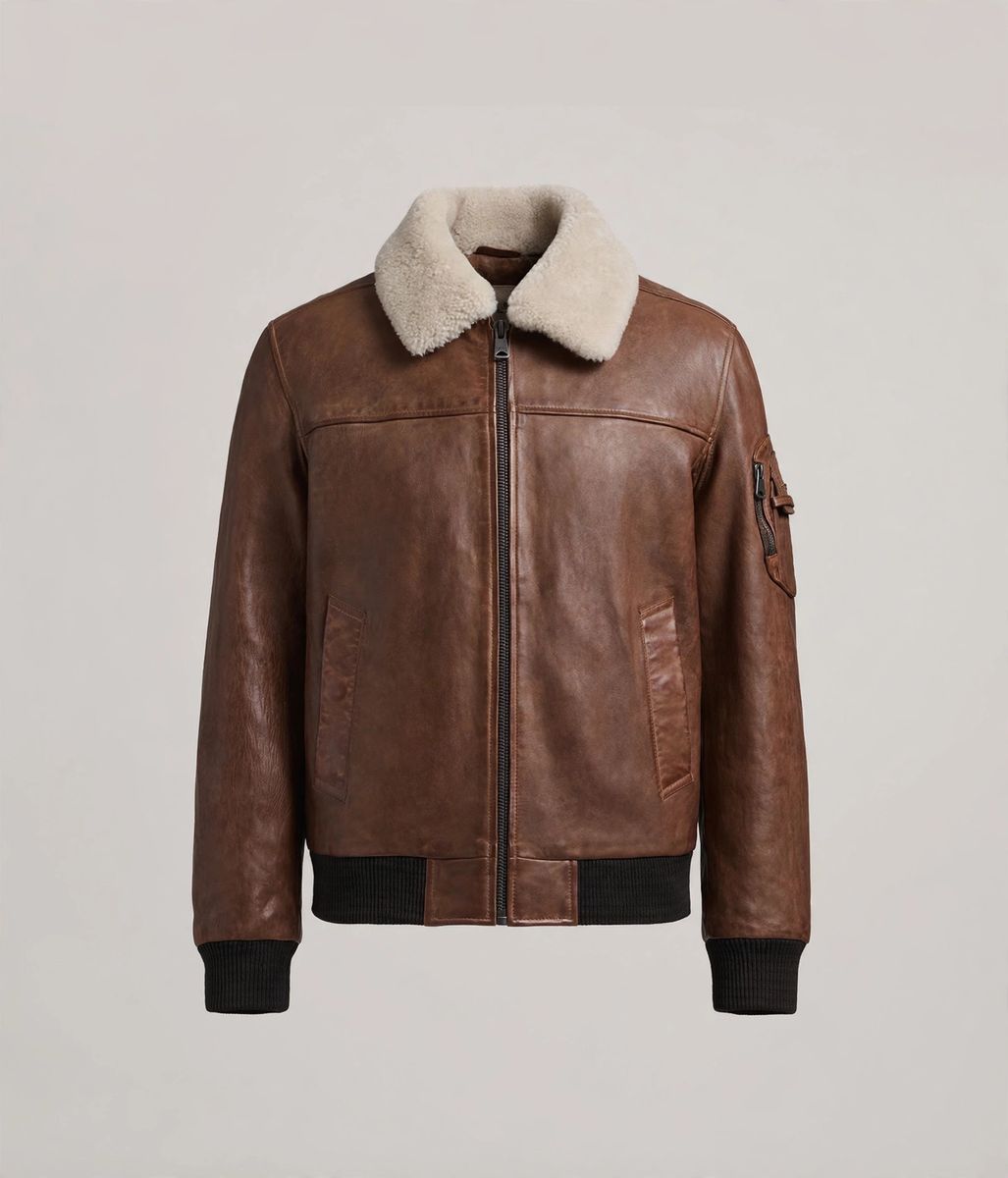
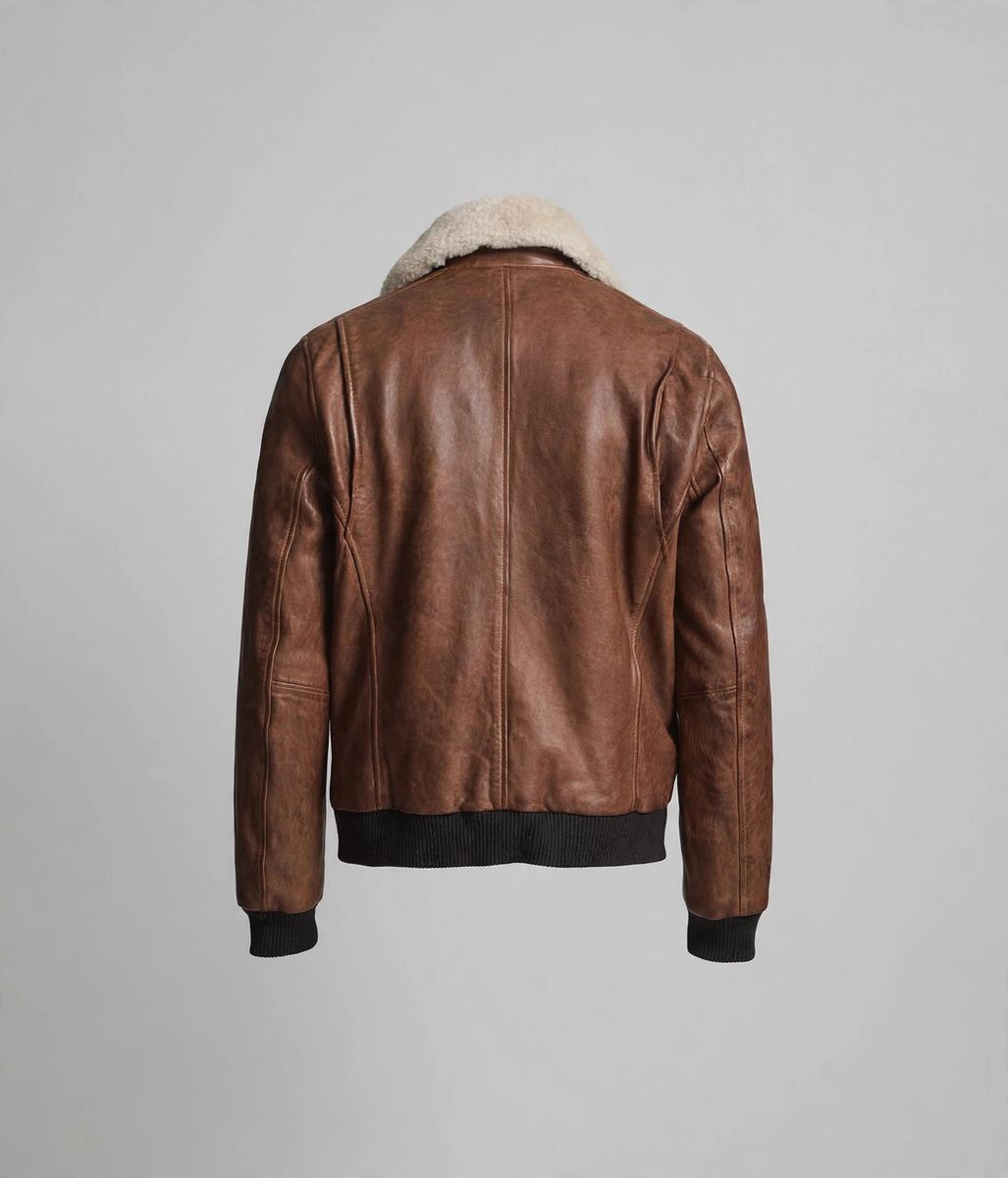
2. Shearling-collared aviators and bombers
Next come the aviators and bombers with shearling or faux-shearling collars and warm quilted or fleece bodies — the Ace Bomber and the Jimmy Aviator are the templates. The collar seals the neck (where a remarkable amount of heat escapes), the body insulation is serious, and the ribbed hem stops draughts from below. For most city winters — hovering around freezing, wind, short walks between heated places — this tier is the sweet spot of warmth, price and wearability.
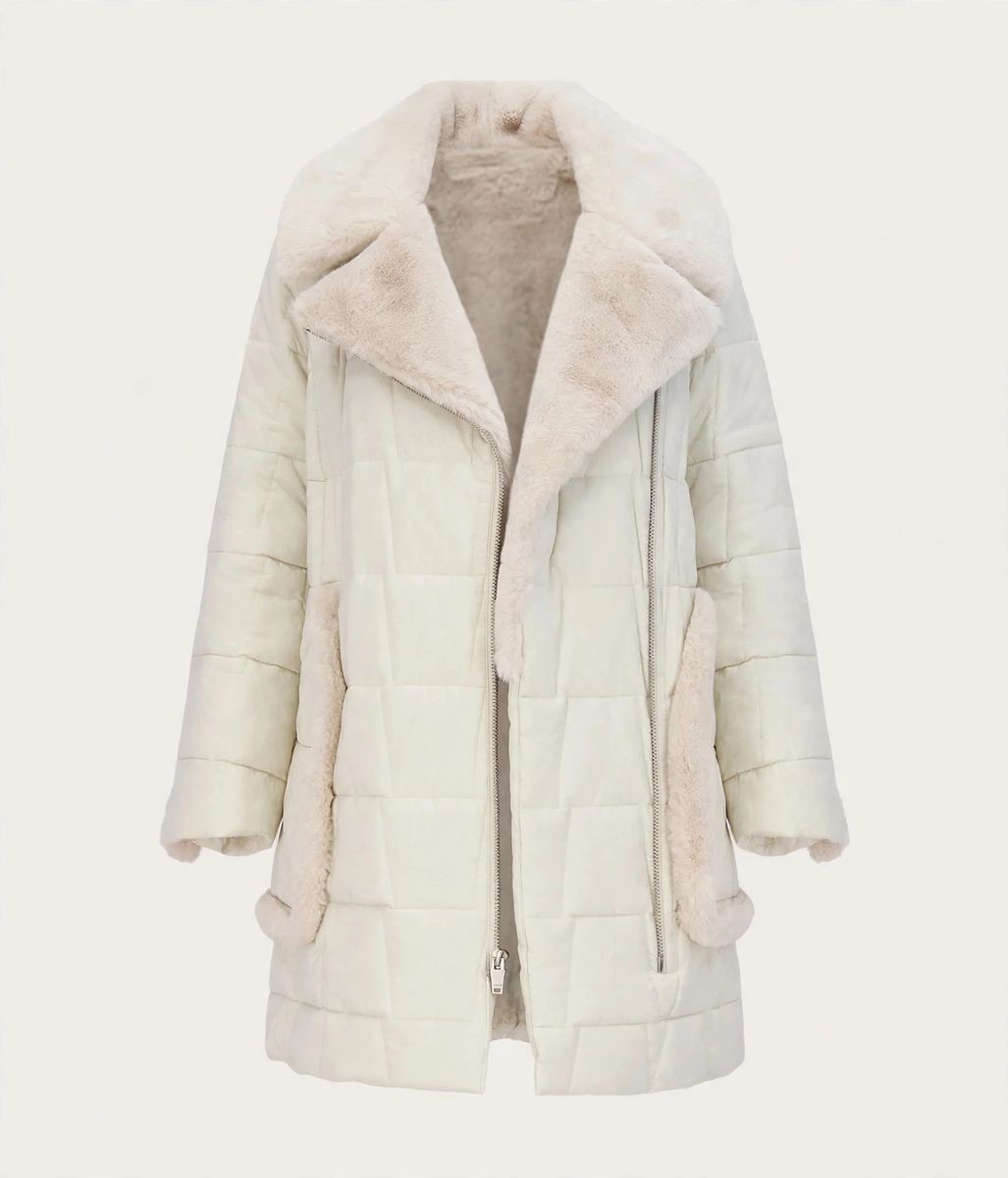
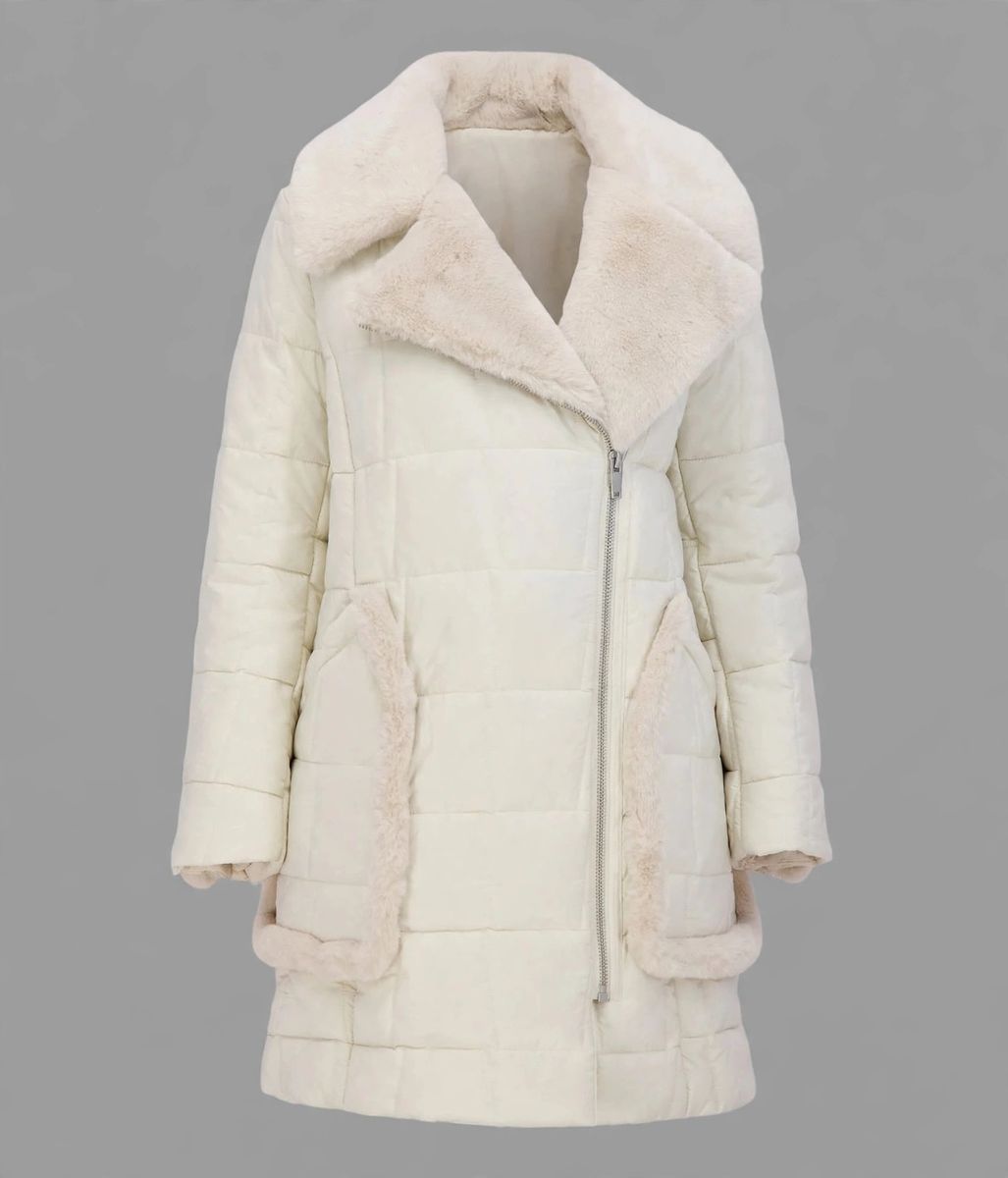
3. Faux shearling and fur-lined styles
Faux shearling jackets like the Everleigh and faux-fur-lined bombers deliver most of tier two's warmth at a fraction of the price and weight. The fleece is less breathable and compresses over seasons, but for mild-to-moderate winters and occasional wear, the difference is academic. This is the tier to choose if your winter is more "cold snaps" than "season".
4. Quilted and padded leather
Quilted leather jackets — where the insulation is stitched into diamond or channel patterns — are the underrated winter option. The quilting adds genuine warmth without bulk, the leather blocks the wind, and the style reads sharper than a puffer. In cold-but-not-arctic weather, over a jumper, a quilted moto or racer is a complete winter outfit. Below that in the ranking sits the plain insulated puffer (not leather, but worth an honourable mention): maximum warmth per kilo, minimum elegance.
5. Lined standard jackets — with layering
A standard sheepskin biker, bomber or racer with a light lining is a three-season jacket that becomes a winter jacket through layering: thermal base, knit, jacket. The leather's wind-blocking does heavy lifting here — a layered racer in still cold can surprise you. But there is a hard limit: once temperatures drop well below freezing or the wind turns serious, an uninsulated jacket over knits loses to any tier above, because there is no trapped-air layer to hold the heat your layers make.
A word on wind chill, because it changes the ranking in practice: at 5°C in still air, a layered standard jacket is comfortable; at 5°C in a hard wind, it is not, because moving air strips the warm layer from the leather's surface and finds every gap at the neck, cuffs and hem. This is why the collars, ribbed hems and storm closures of the top tiers matter as much as their insulation — and why a mid-tier jacket with every gap sealed can outperform a warmer jacket worn open. Judge winter jackets as systems: insulation, wind-proofing, and seals, in that order of importance on a still day, and seals first on a windy one.
How to choose your tier
- Your winter's real temperature — not its worst day, its typical day. Buy for the typical; layer for the extreme.
- Your commute — a two-minute walk from a heated car forgives anything; forty minutes at a bus stop does not.
- Your tolerance for weight — shearling is heavy. If heavy coats tire you, tier two or three worn happily beats tier one left in the wardrobe.
- Your wardrobe — a winter jacket must close over your actual knitwear. Size for the jumper, per our size guide.
The last 10%: what you wear with it
A winter jacket does not work alone. The gaps decide your comfort: a scarf or the jacket's own collar closed at the neck, gloves that meet the cuffs (aviator-length sleeves earn their keep here), and footwear that insulates from the ground up. Underneath, the layering order matters more than the number of layers — a breathable base that moves sweat away, an insulating knit that traps air, then the leather to block the wind. Cotton hoodies are the weak link in most winter outfits: cotton holds moisture and chills. Wool and fleece knits under leather outperform them dramatically. And a hat is not optional in real cold; the best-insulated jacket in this ranking cannot help the heat leaving from your head. Treat the jacket as the shell of a system and even tier four performs like tier two.
Whichever tier you choose, the finishing details matter as much as the headline insulation: a collar that closes, cuffs that seal, a hem that sits where the wind cannot get under it. Warmth leaks out of gaps faster than it leaks through leather. Choose the tier honestly, seal the gaps, and winter becomes the season your jacket was waiting for.