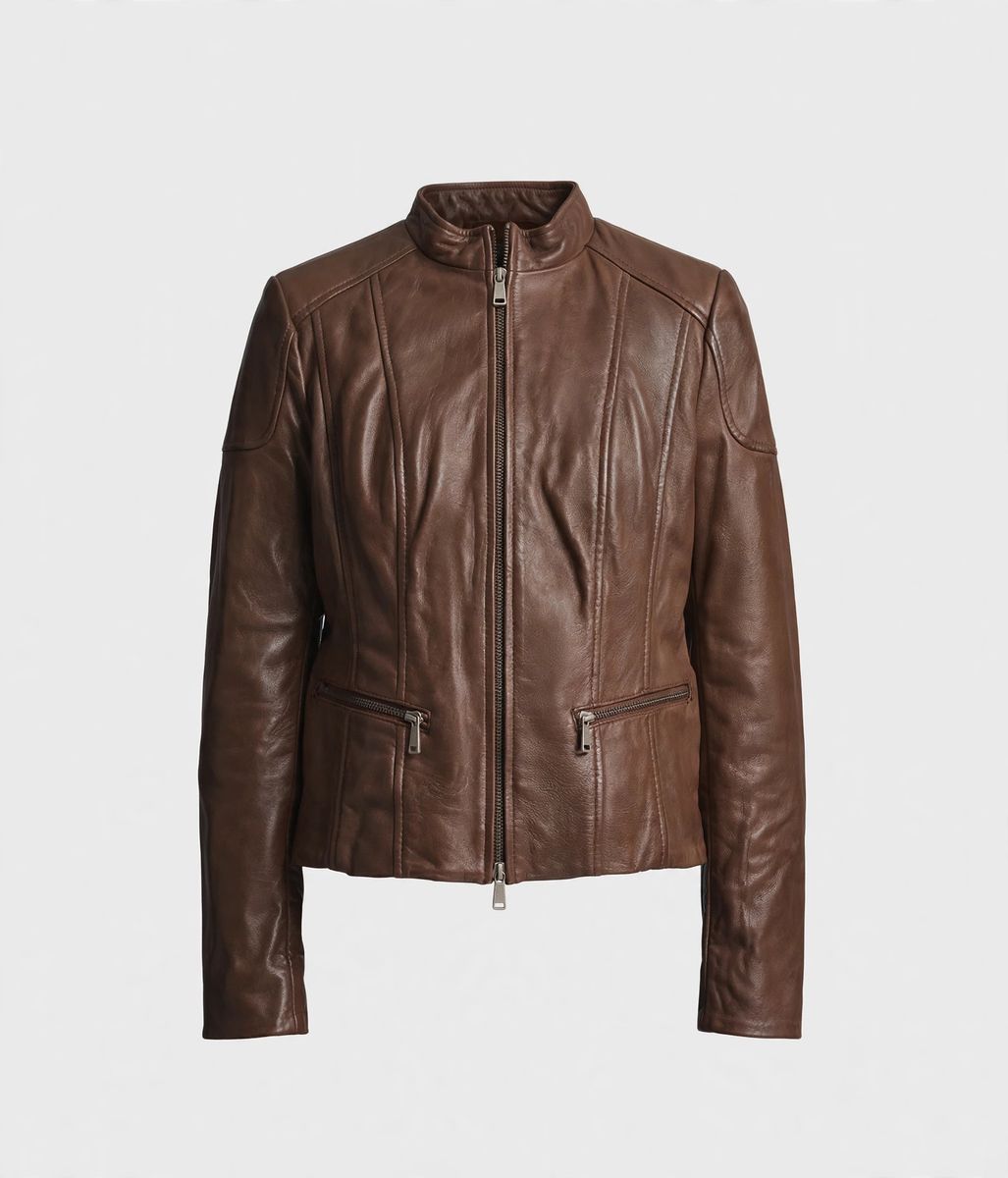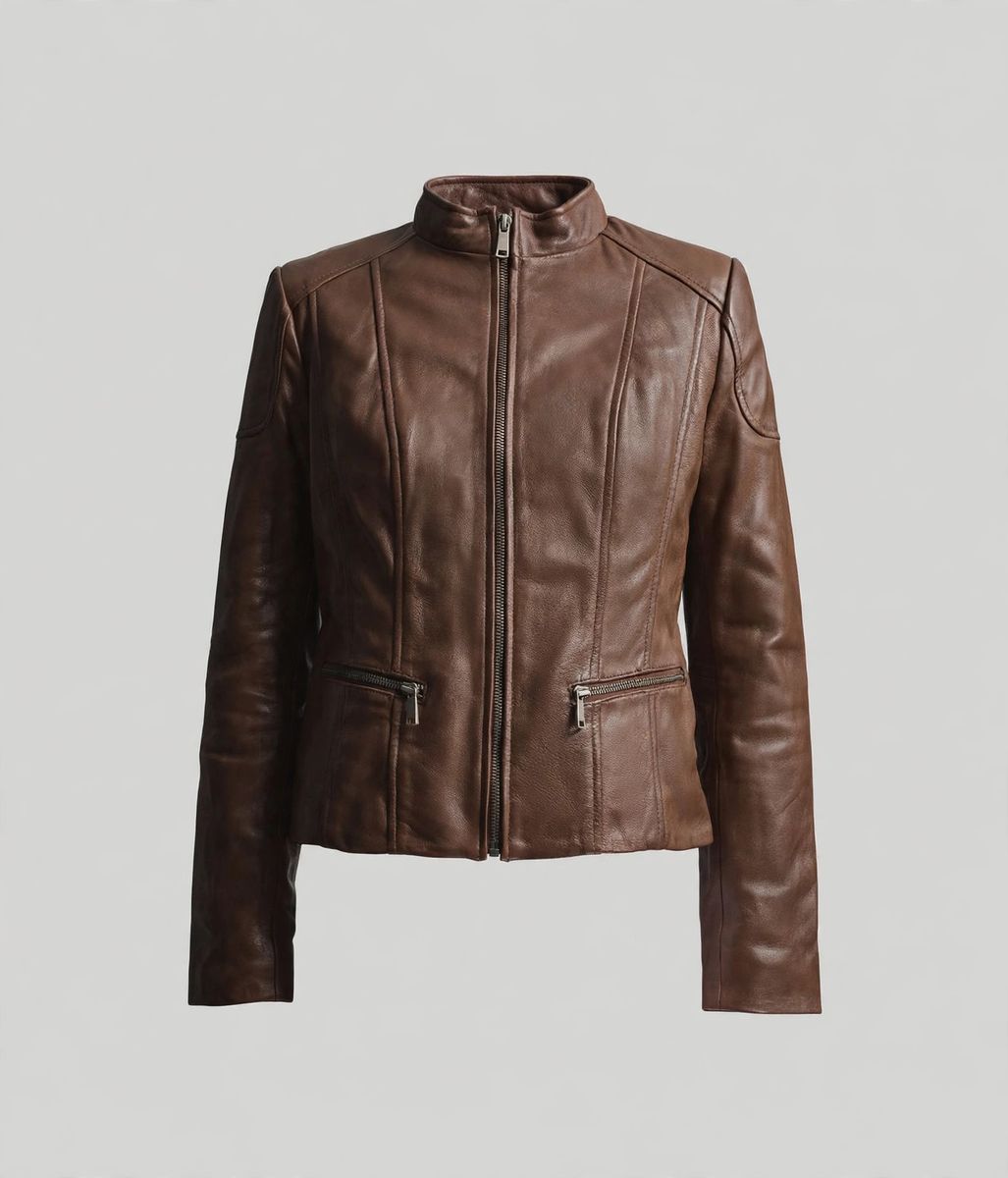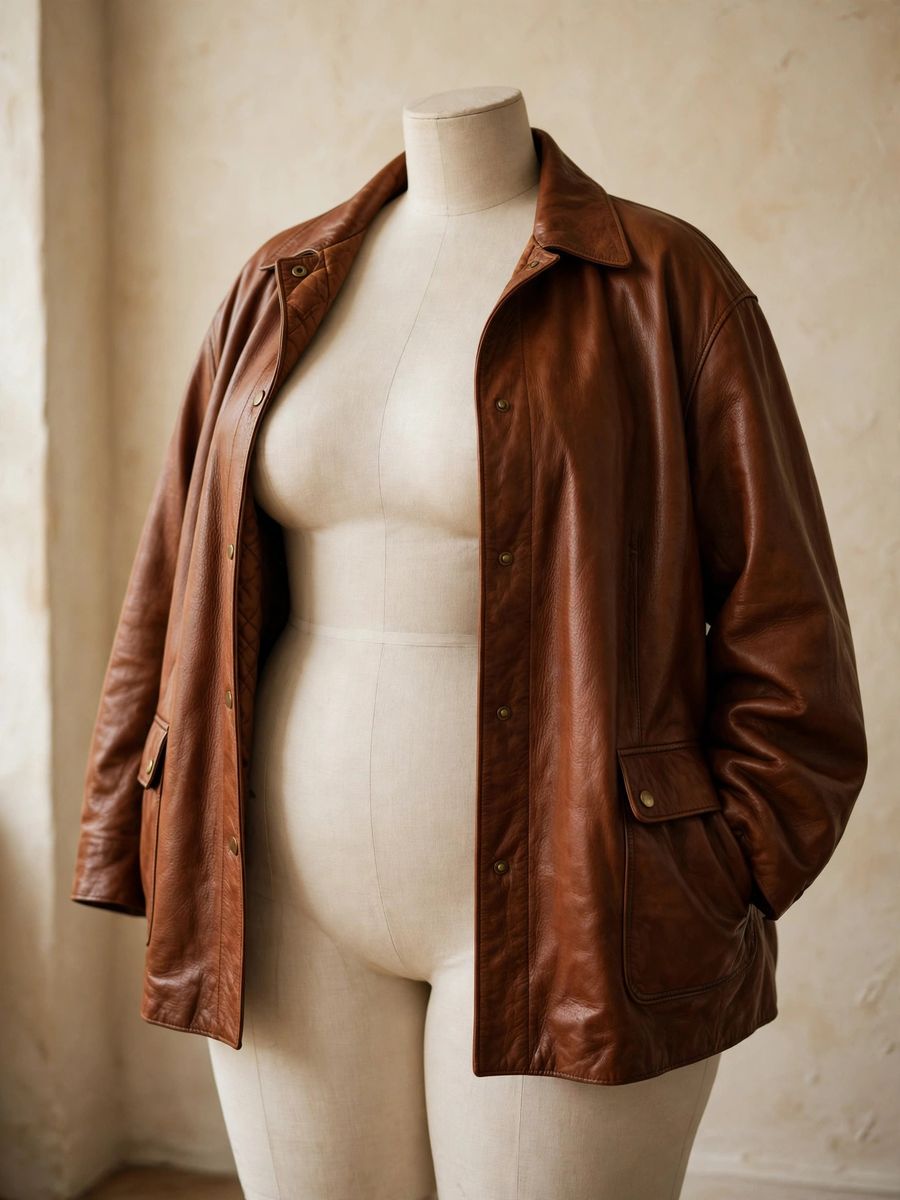
A leather jacket in a larger size should be exactly as well-designed as one in a smaller size — same leather, same construction, same attention to how it looks and moves. Too often, it is not: many "plus-size" jackets are simply standard patterns scaled up, which scales the mistakes too. This guide explains how a properly cut plus-size jacket differs, which styles genuinely work, and the fit checks that decide whether a jacket earns its place in your wardrobe.
What "scaled up" gets wrong
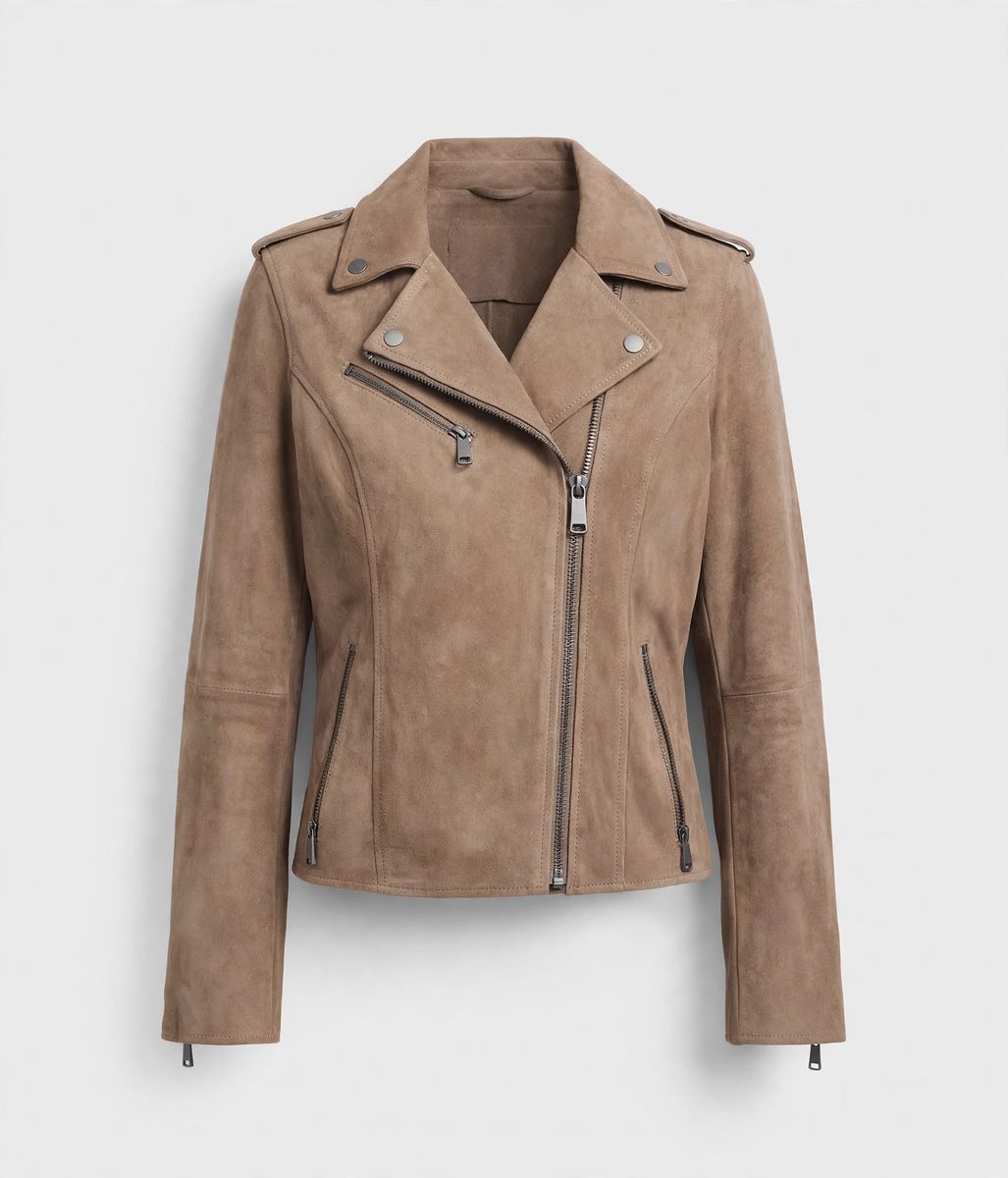
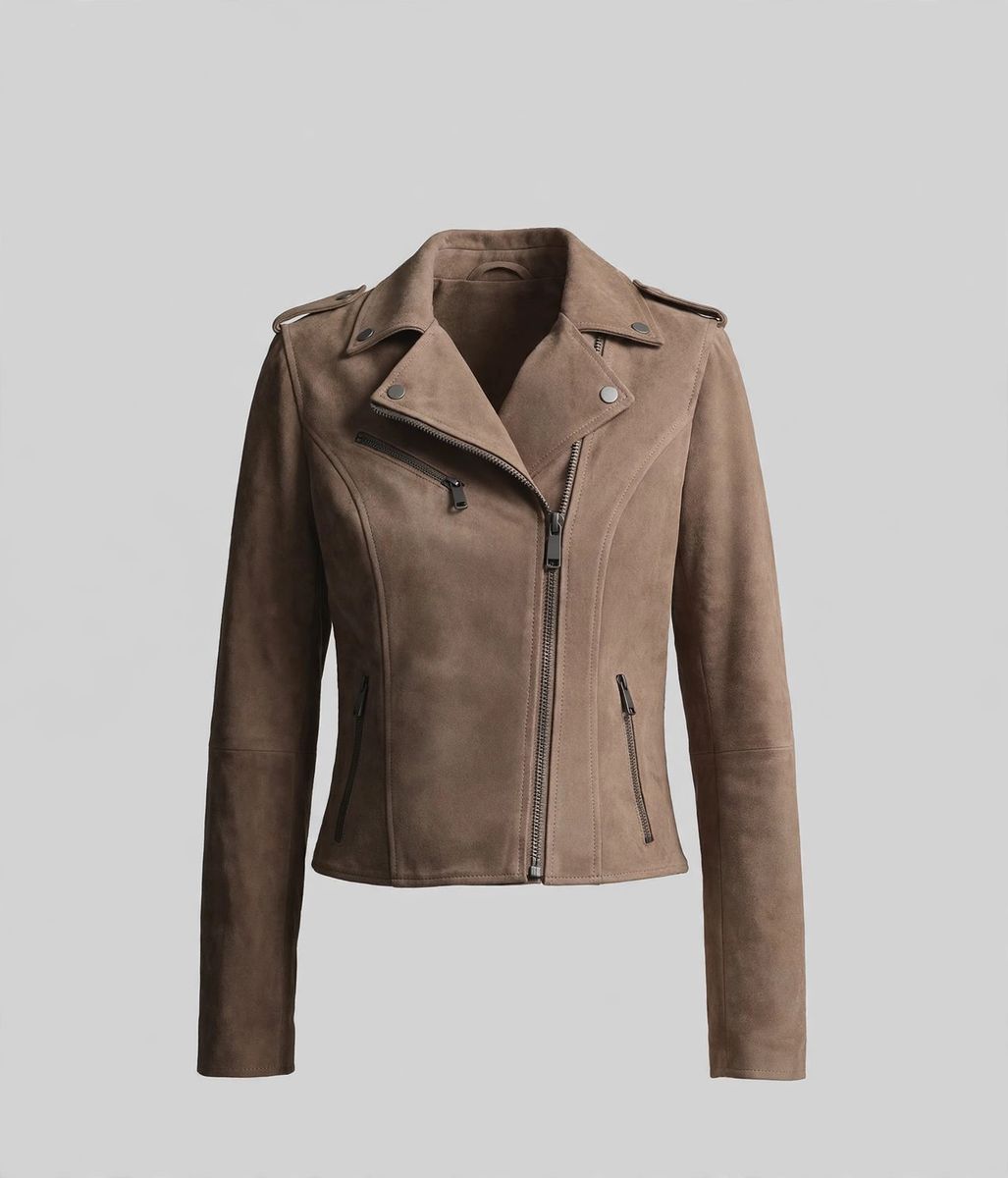
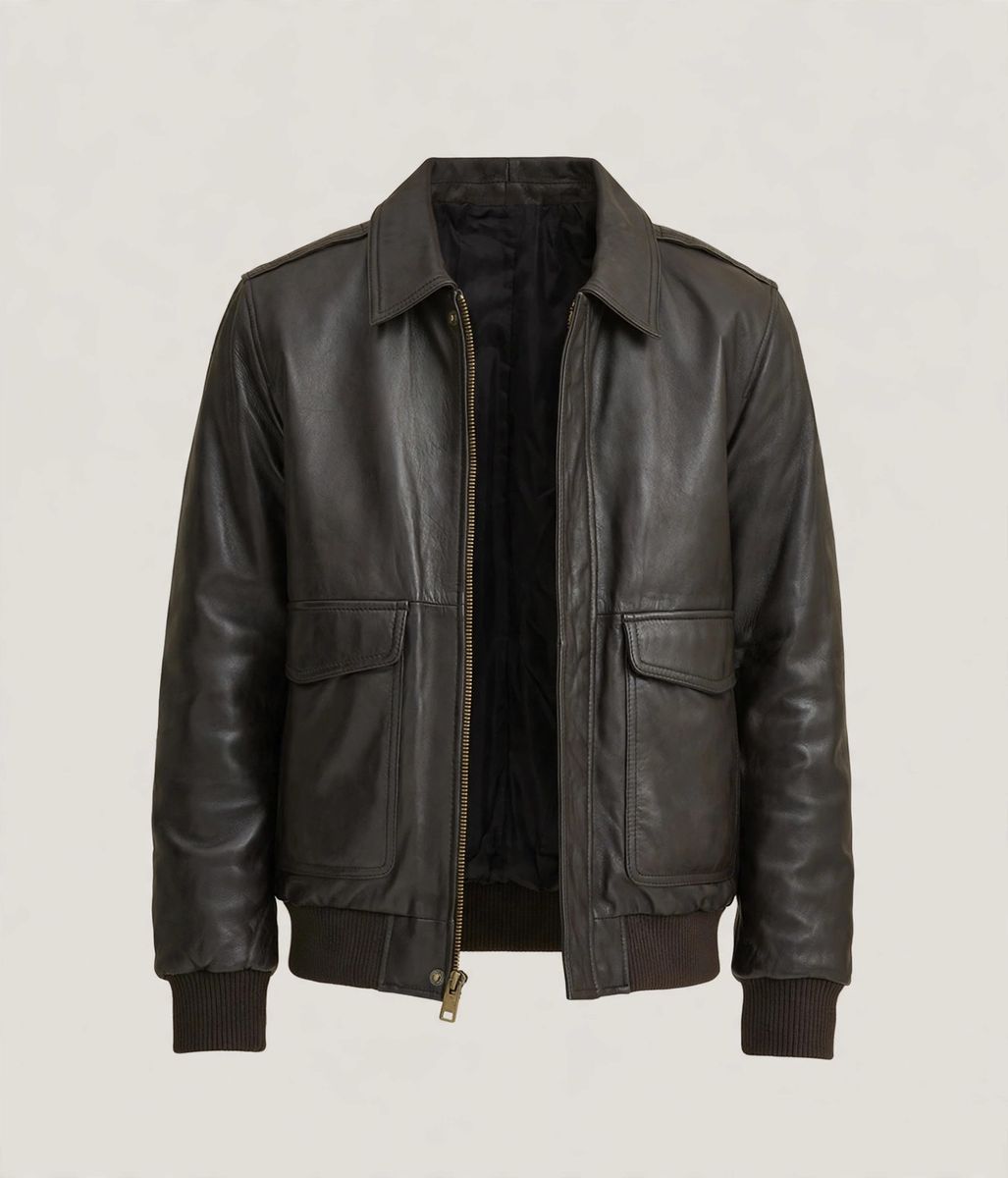
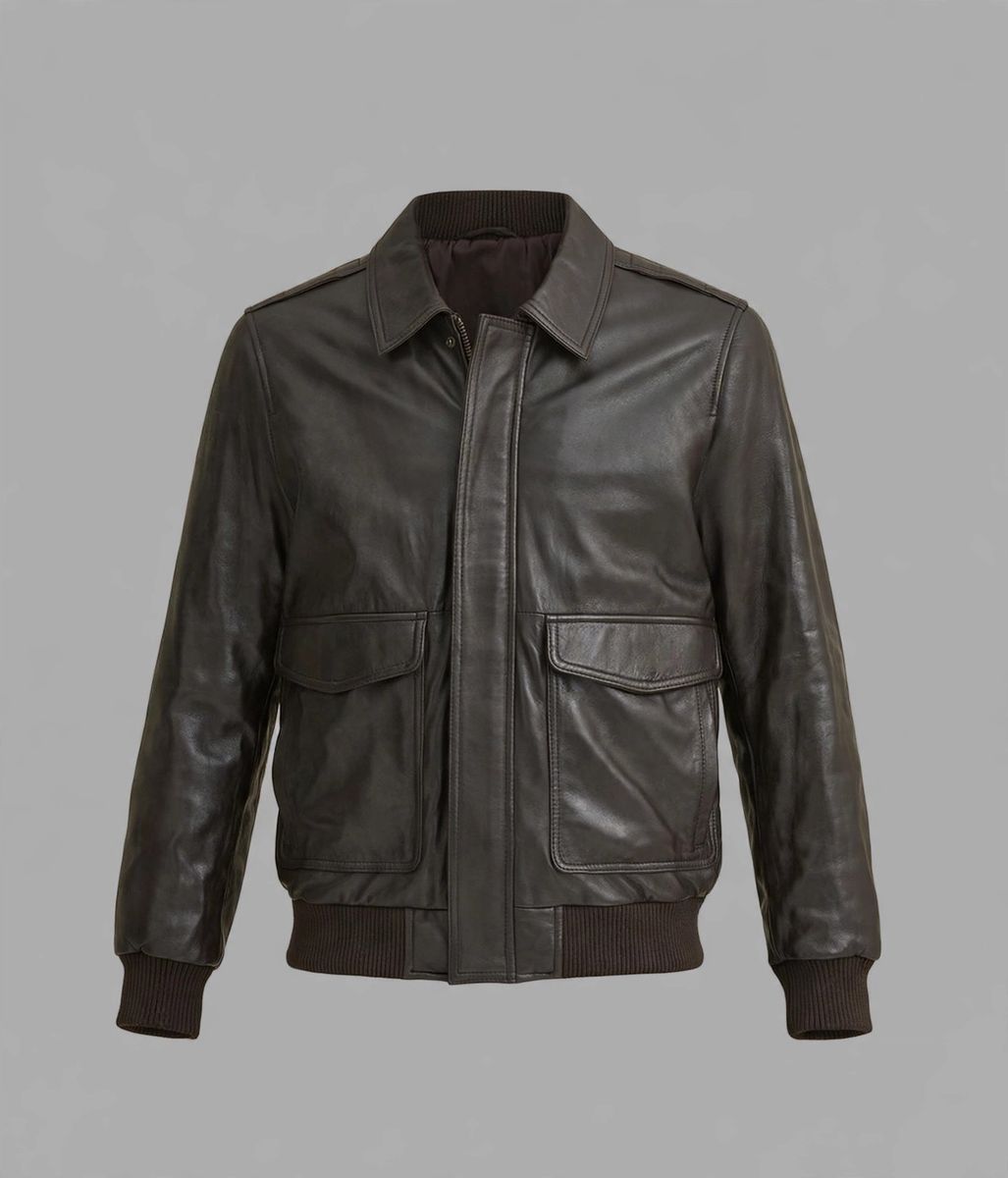
When a pattern is simply enlarged, everything grows in proportion: the neck opening becomes huge, the shoulders slide off, the sleeves hang past the hands, and the length lands in the wrong place — while the bust and waist, the places that actually needed room, somehow still pull. A properly graded plus-size pattern is re-cut, not just enlarged: the shoulder stays anchored, the armhole is reshaped, the bust and waist get room where bodies need it, and the length is chosen for the silhouette rather than inherited from a size 10. This is the difference between a jacket that fits and a jacket that merely closes. It is why we stock ranges cut specifically for fuller figures — like the Plus-Size Madeline — and big-and-tall cuts for men, like the Chris Big and Tall Bomber, rather than just adding X's to the label.
The fit checks that matter most
- Shoulders first — as with every size, the seam belongs on the shoulder bone. Oversized shoulders are the most common scaled-up failure and the most visible.
- The zip test, seated. Zip the jacket and sit down. Most jackets are tried standing; most life is lived sitting. The front should not strain, ride up dramatically, or dig in.
- Armhole comfort. Raise your arms and mimic driving. High, well-cut armholes let the arm move without dragging the whole jacket up — this is where cheap grading shows.
- Length at a break point. Hem at the hip bone, just below it, or cropped at the waist — never stranded at the widest point of the hip, where a hem both cuts the line and catches as you move.
- Sleeve to the wrist. Scaled patterns often over-lengthen sleeves; check yours reach the wrist bone, not the knuckles.
Our general size guide covers measuring; in plus sizes the chest and hip measurements both matter, and the larger of the two should drive the size you pick for straight-cut styles.
Styles that genuinely work
The asymmetric moto is a plus-size hero: the diagonal zip creates a long visual line, the structure gives shape, and worn open it frames the body beautifully. The belted trench defines the waist where you choose it — the belt is adjustable architecture — and its long line is inherently elegant; see our trench styling guide. The scuba and clean racer styles work because their smooth, minimal fronts sit flat and polished, like the Caitlin Scuba, which is cut in an extended size range. Bombers suit if the ribbed hem lands at the hip and stays there; if it rides up, the cut is wrong, not you. Shirt jackets worn open as a layer are the most forgiving option of all — structure without closure pressure.
Styles to approach with care: very cropped jackets (they can end at an unflattering point unless the proportion is designed for it), heavy double-breasted fronts, and anything with horizontal detailing at the widest point. None are forbidden — they just demand a better-designed version.
Leather, colour and finishing notes
Medium-weight sheepskin is the sweet spot: enough structure to hold a line, enough drape to move with you. Very stiff leathers fight fuller figures; very thin ones cling. Dark colours are the classic choice and genuinely do streamline, but do not let anyone tell you they are the only choice — a well-cut cognac or burgundy jacket that fits properly looks better than a black one that does not. Fit is the elegance. Colour is just the frame.
A short shopping checklist
Before you pay, run the jacket through this list — it takes three minutes and catches nearly every disappointment in advance. The materials label names a real leather and the seller says so plainly. The size range was clearly cut for fuller figures, not stretched from a standard block (ask, if it is not stated — good sellers answer proudly). The zip is metal and runs smoothly under no strain. You have sat down in it, raised your arms, and reached forward. The hem sits at a break point, the sleeves at your wrists. The exchange policy is real, in writing, and long enough to test the jacket at home with your own clothes. Six checks, and the jacket that passes them will not be the one that hangs unworn as a reminder.
The mindset to buy with
Buy the size you measure, in a cut designed for it, from a seller whose exchange policy lets you test it in real life. Ignore any brand whose "plus" range is an afterthought of two styles in black. A range that offers real choice — cuts, colours, leathers — is telling you it was designed for you, not adapted to you, and that difference is visible in every mirror. You are buying the same thing every other leather buyer is buying — a decade-long garment that should make you stand straighter. Our women's fit guide and the 7-day exchange are there to make sure you get exactly that.