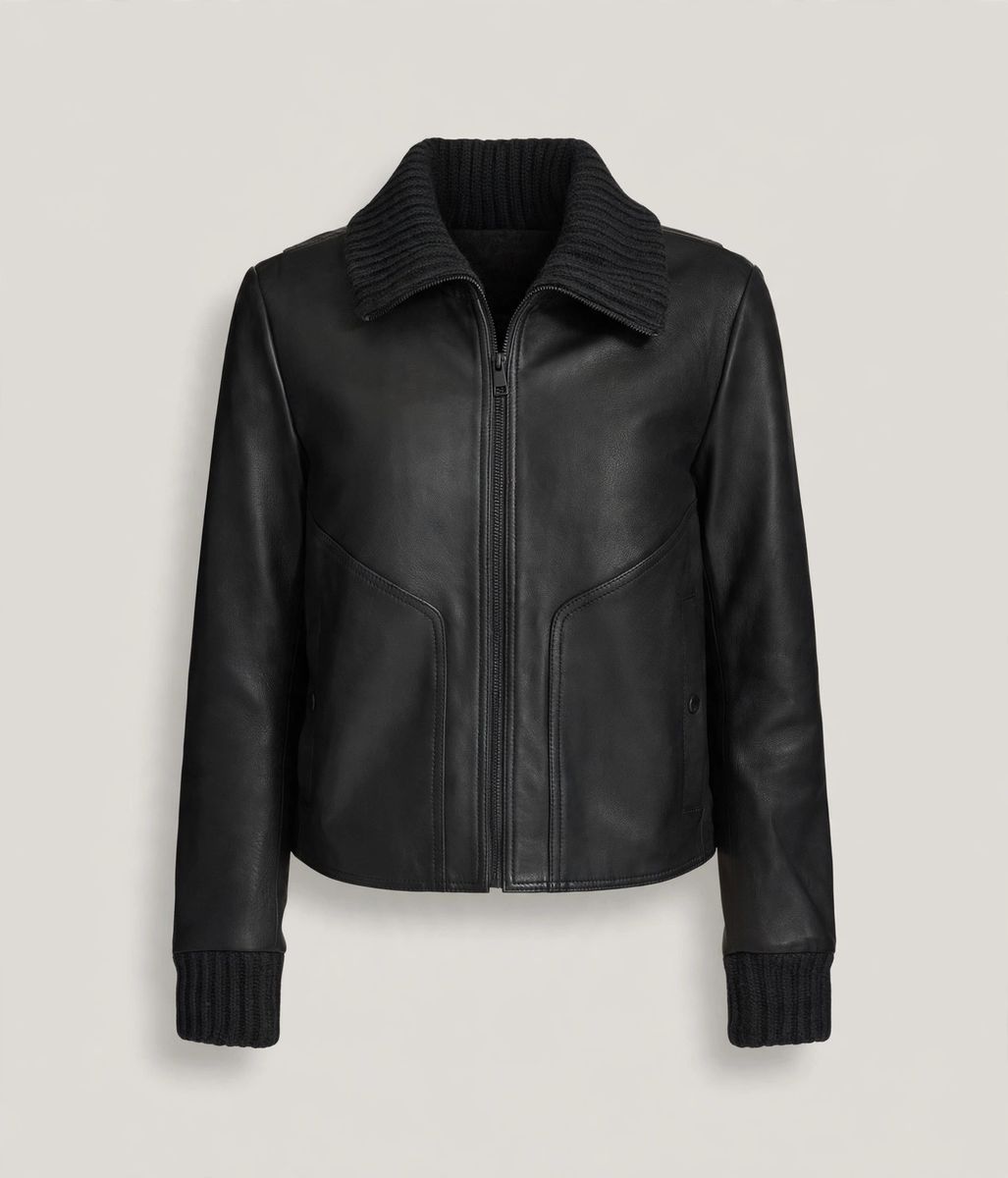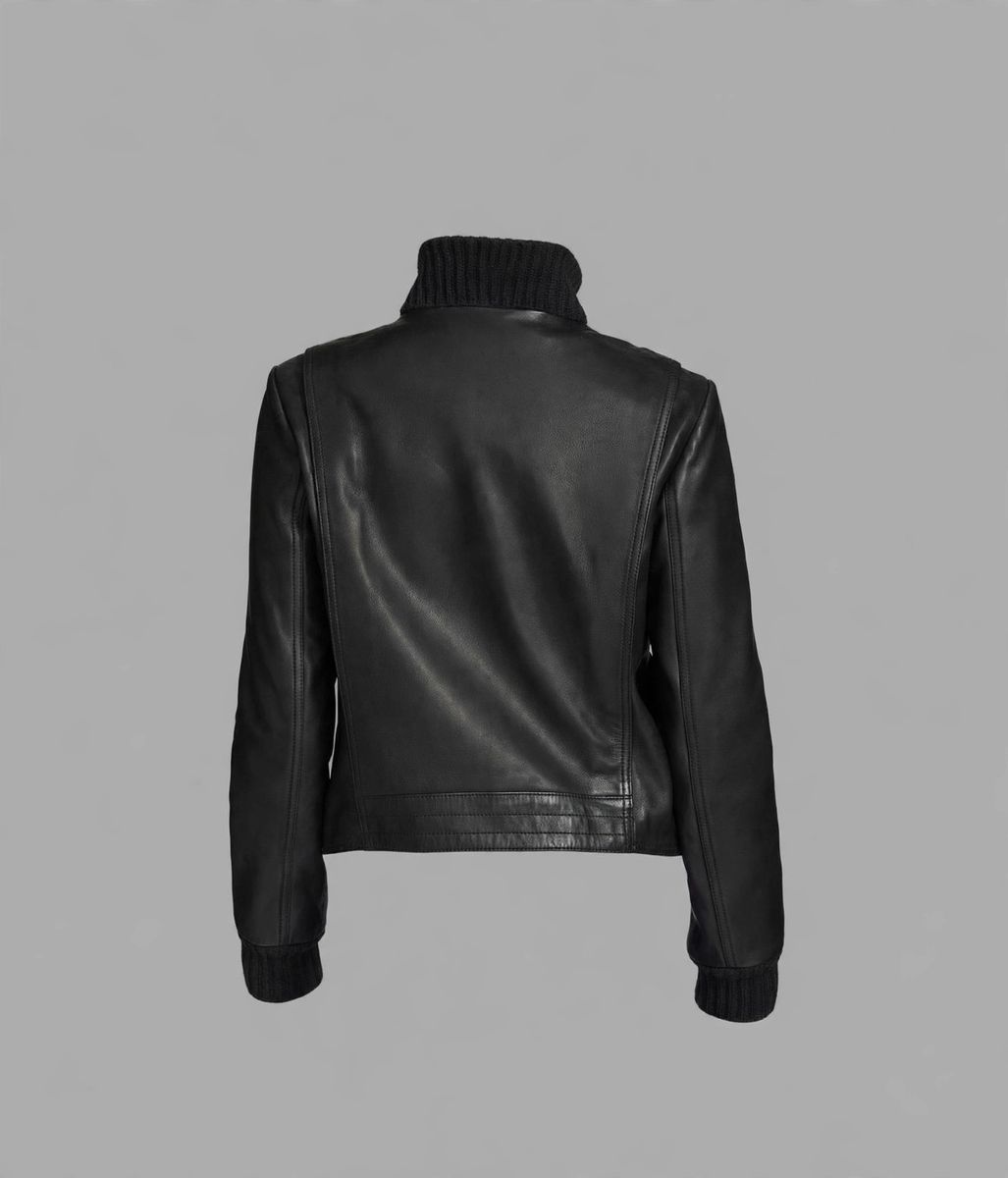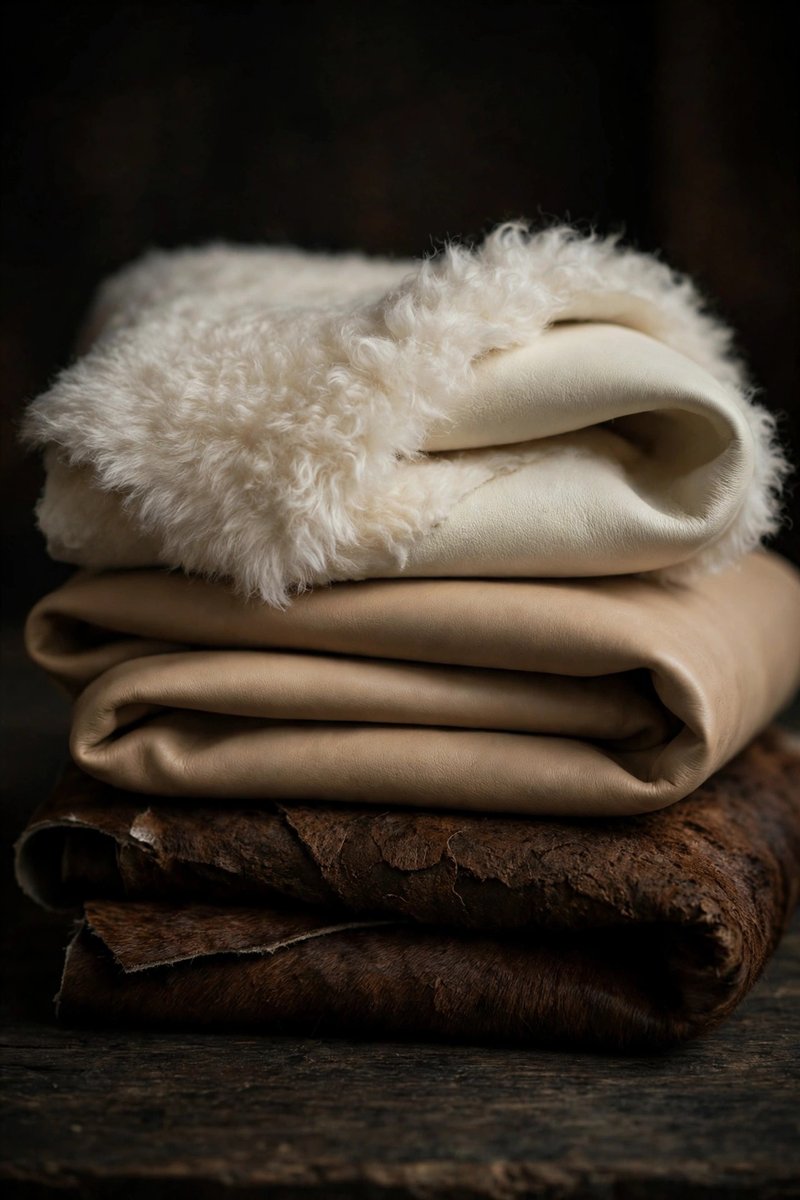
Three names account for most of the leather jackets in the world, and they could hardly be more different in character. Lambskin is the luxury option — soft to the point of silkiness. Cowhide is the workhorse — thick, tough, built for abrasion. Sheepskin sits between them, and its balance is exactly why it fills most wardrobes. If you are choosing a jacket and the product pages all just say "premium leather", this comparison gives you the vocabulary — and the verdicts — to choose properly. For the full family of leathers, including goatskin, suede and nappa, see our complete guide to the types of leather explained; this article is the three-way decision most buyers actually face.
Lambskin: the softest jacket you will ever touch
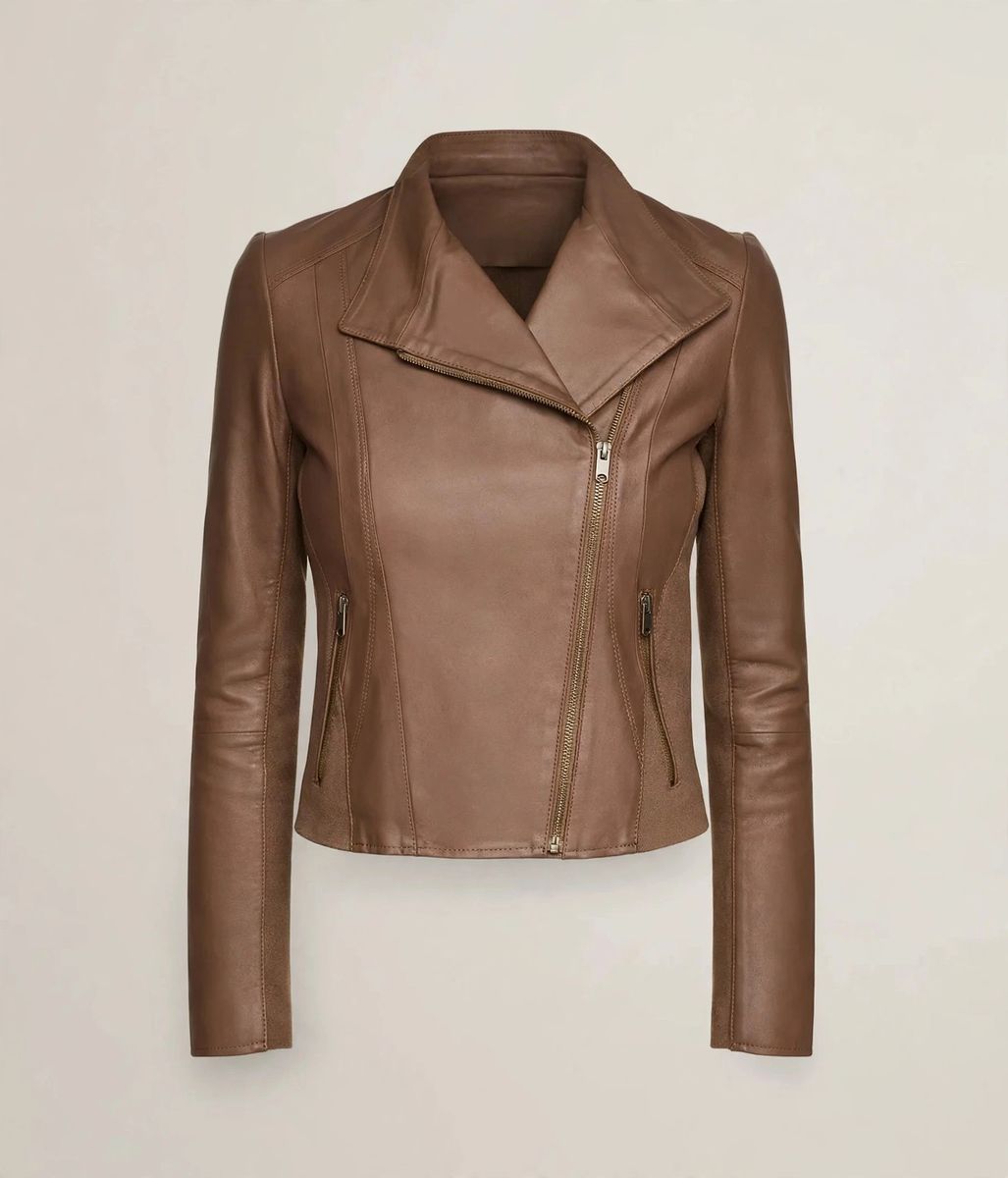
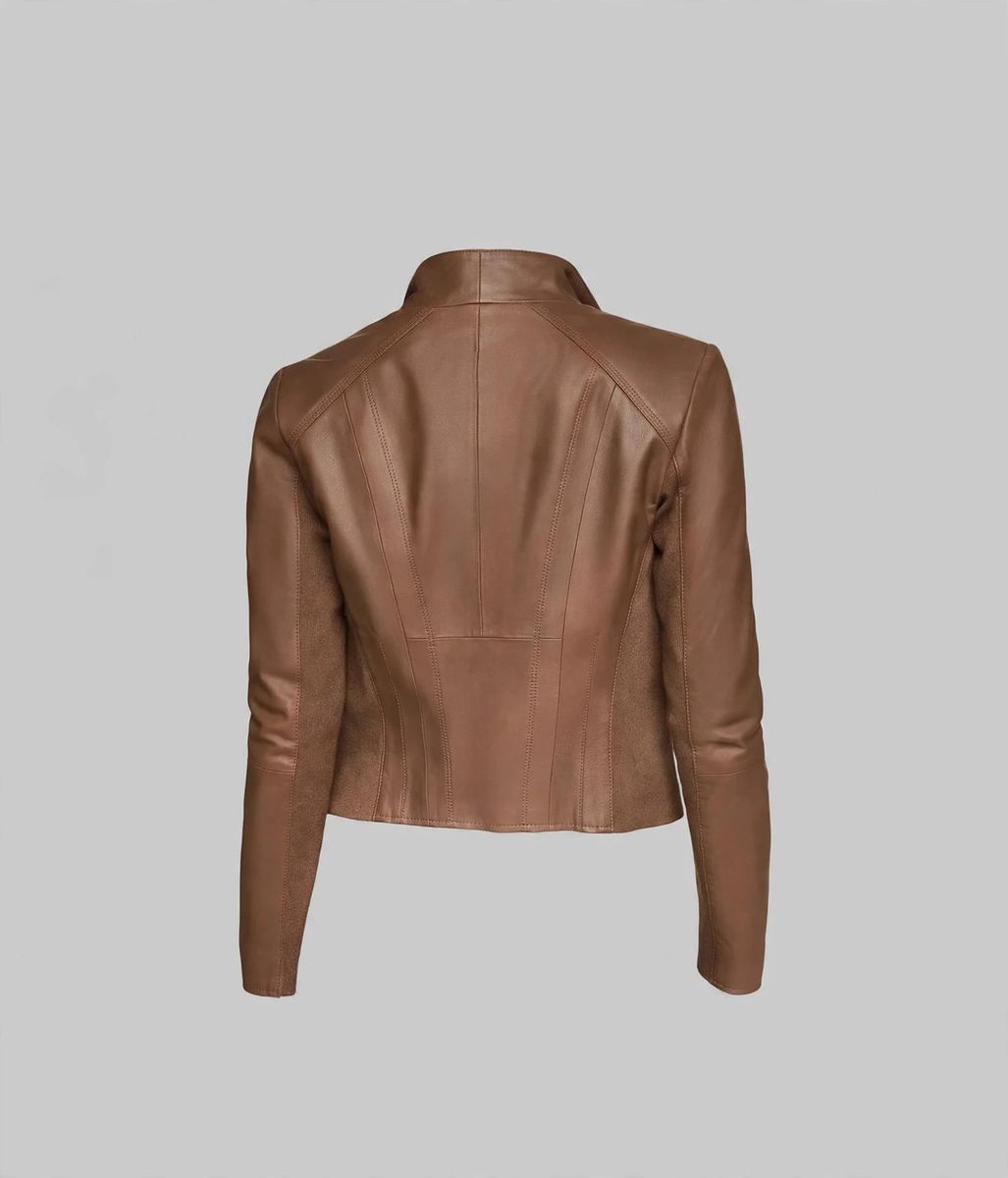
Lambskin comes from young sheep, and everything about it is finer: a tighter, smoother grain, a thinner hide, and a hand-feel that is closer to a luxury glove than to a biker jacket. It drapes rather than stands — a lambskin jacket falls over the body like tailoring, which is why it is the leather of blazers, dressier racers and women's styles that need to look polished rather than rugged.
Softness: the best of the three, by a distance. Comfortable from the first wear, with almost no breaking-in. Strength: the lowest of the three. It scuffs, scratches and marks more easily, and thin lambskin can tear at stress points if abused. Weight: the lightest. A lambskin jacket feels like a layer, not armour. Best for: smart and dressy wear, mild weather, anyone who prioritises comfort and drape over toughness. Watch out for: very cheap "lambskin" that is actually thin, corrected leather with a soft coating. Real lambskin should feel naturally supple, not plasticky.
Cowhide: the toughest, and the heaviest
Cowhide is the original motorcycle leather, chosen for one reason above all: abrasion resistance. It is the thickest of the three — protective grades run to 1.2 mm and beyond — and the densest, which makes it the most durable and also the most demanding to live with at first. A new cowhide jacket can feel like it is wearing you. Given months of wear it moulds, creases and develops the deepest patina of any leather, and it can genuinely outlast its owner.
Softness: the firmest of the three when new; it softens substantially with wear but never becomes lambskin-soft. Strength: the highest. Shrugs off abrasion, weather and decades of use. Weight: the heaviest across the shoulders — some wearers love the substance, others find it tiring on a long day. Best for: riders, daily hard wear, anyone buying one jacket for the next twenty years. Our biker collection is where cowhide earns its keep. Watch out for: stiffness being sold as quality. Good cowhide is thick but should still flex at the elbow; board-like leather with a heavy chemical smell is usually over-finished, lower-grade hide.
Sheepskin: the balance most people actually need
Sheepskin — from adult sheep — is the leather most quality jackets are cut from, including most of ours, and the reason is balance. It is soft and supple enough to wear all day from the first week, fine-grained enough to look refined, and strong enough for years of daily use. It will not survive a slide along tarmac like cowhide, and it will never feel quite as silken as lambskin, but it asks the fewest compromises of any leather here.
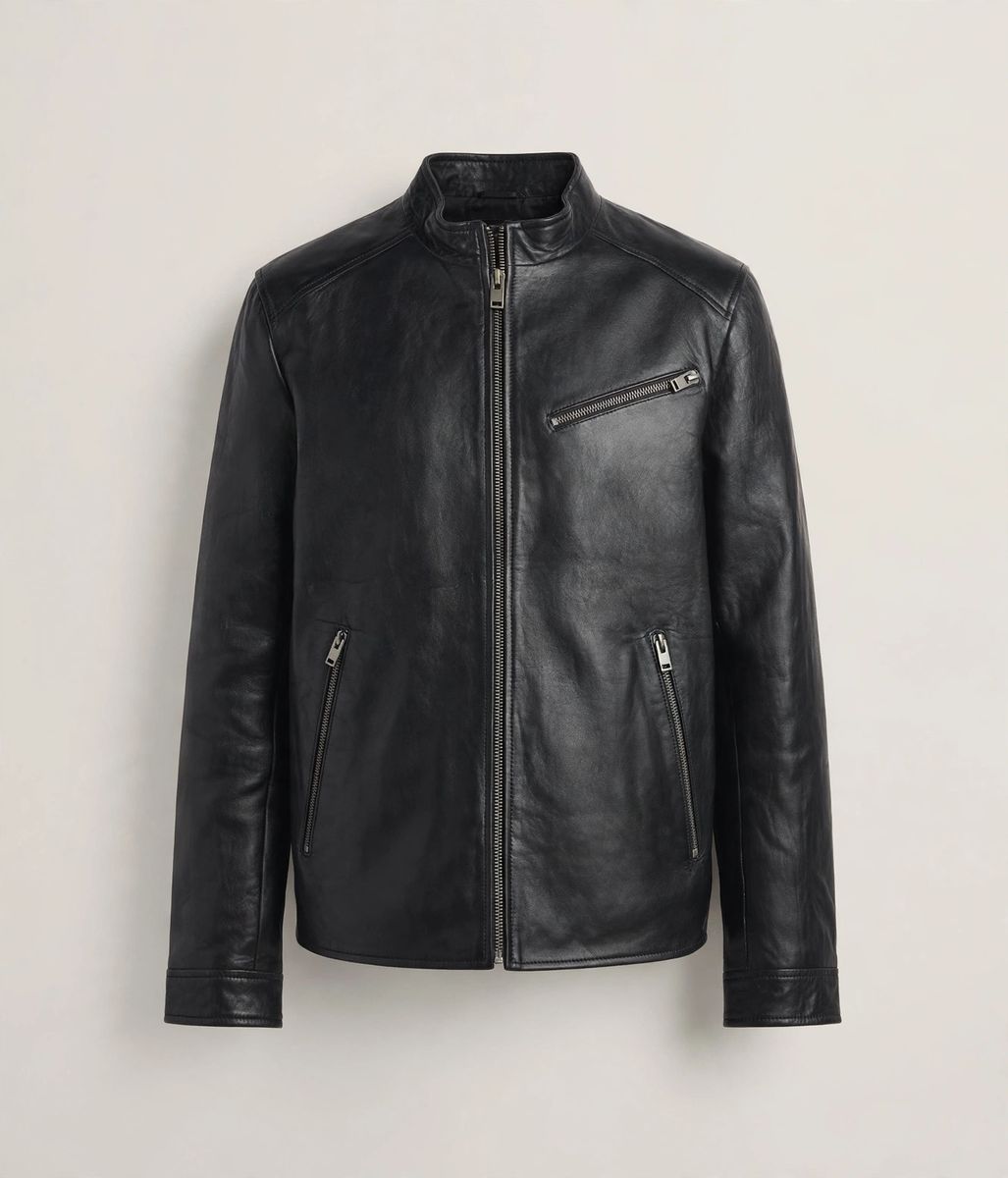
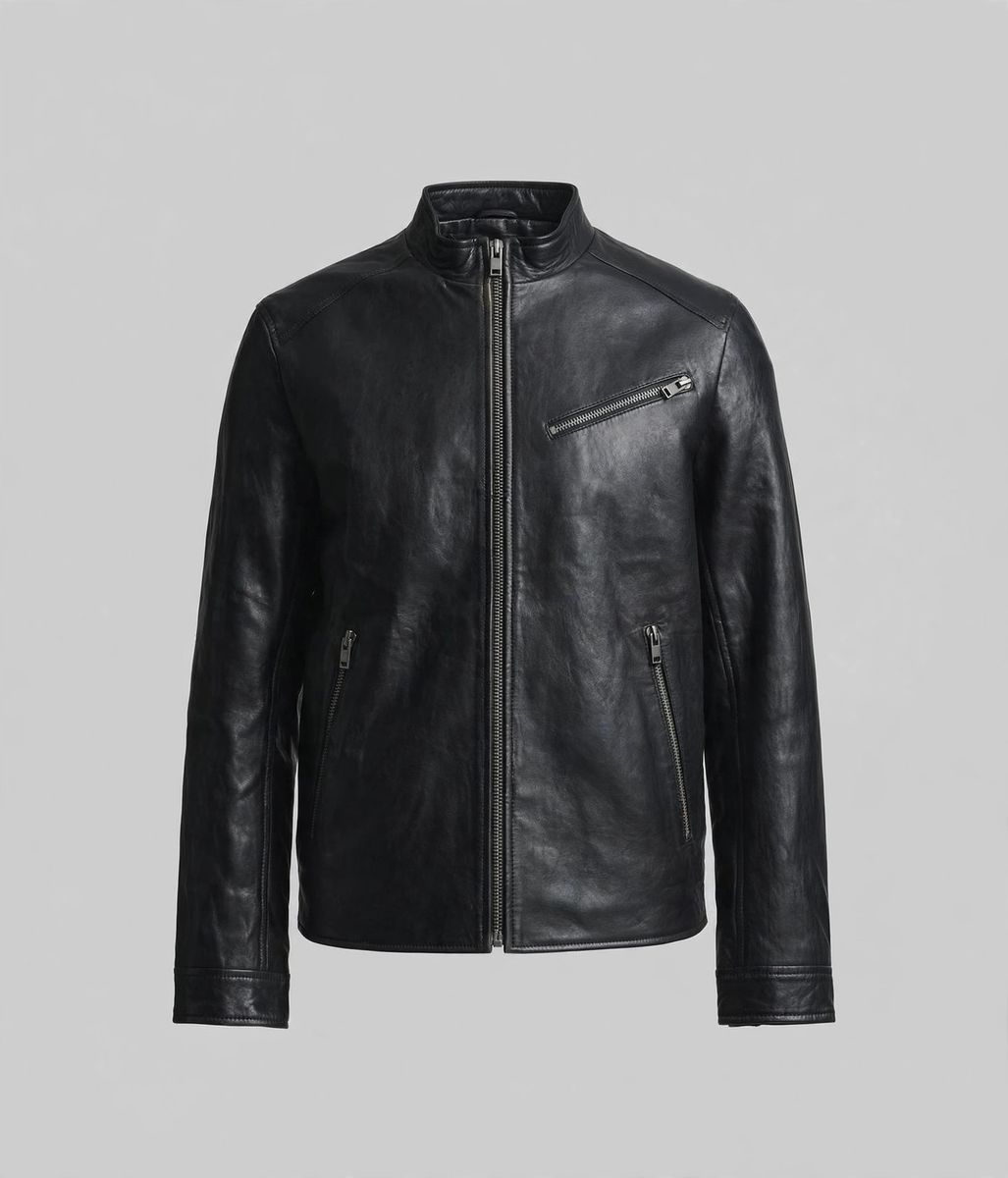
Softness: close to lambskin after a short break-in; comfortable almost immediately. Strength: comfortably mid-table — well beyond fashion-grade thin leathers, short of protective cowhide. Weight: middle. Noticeably lighter on the shoulders than cowhide. Best for: everyday jackets, first leather jackets, and most styles from bombers to racers. The Classic Racer in sheepskin is the template: soft, sharp, wearable daily. Watch out for: the word "sheepskin" being used loosely for shearling (sheepskin with the wool left on). Shearling is a different, warmer product — wonderful, but check which one you are actually buying.
Side by side
- Softest: lambskin. Toughest: cowhide. Best all-rounder: sheepskin.
- Lightest: lambskin. Heaviest: cowhide.
- Shortest break-in: lambskin (almost none), then sheepskin. Longest: cowhide — weeks to months, and worth it.
- Most formal-looking: lambskin, thanks to its smooth drape. Most rugged: cowhide.
- Easiest to care for: sheepskin and cowhide tolerate an occasional conditioning and normal life; lambskin asks for gentler handling and prompt attention to marks.
- How they age: lambskin stays smooth but collects stories as scuffs; cowhide builds deep patina and personal creasing; sheepskin softens and takes a gentle sheen at cuffs and creases.
Choose by the life the jacket will live
Forget the labels for a moment and answer one question honestly: what will this jacket actually do all week?
If it will ride: cowhide, without much debate. Abrasion resistance is the whole point of a riding jacket, and no other common leather matches it. Look at structured motos like the Felix Moto and judge them by thickness and fit, not softness.
If it will do everything else: sheepskin. Commuting, weekends, travel, evenings — sheepskin's balance of comfort, looks and durability is why it dominates. It is also the safest first-jacket leather, because it forgives both your body (no brutal break-in) and your budget (it sits between the other two in price).
If it will dress up: lambskin. A lambskin jacket over tailoring or a dress looks intentional in a way rugged leathers cannot. Styles like the Beatrix rely on that drape. Accept the trade — gentler handling — as the price of the polish.
Price: what the differences actually buy you
Expect a clear order, all else being equal: cowhide and quality sheepskin sit in the middle-to-upper range, and fine lambskin often costs the most per jacket despite being the least durable — you are paying for the fineness of the grain and the skill needed to sew a delicate hide, not for toughness. Sheepskin is usually the value pick of the three, which is another reason it dominates: near-lambskin comfort at a working jacket's price. What should genuinely move the price is not the animal's name but the grade and thickness of the hide, the quality of the tanning, and the construction — a full-grain sheepskin jacket, well made, will outserve a thin, heavily corrected cowhide one at twice the ticket. Be suspicious at both extremes: a "lambskin" jacket priced like fast fashion is almost certainly not lambskin, and a plain sheepskin jacket priced like exotic luxury is charging for the label. Judge the leather in your hands — softness, weight, grain, smell — and let the name on the tag come second.
The mistake to avoid
The commonest buying error is choosing by the first touch in the shop. Lambskin wins every first touch; cowhide loses most of them. But you are not buying a first touch — you are buying year five. Ask instead how the leather matches your use, then verify what you are holding with the simple checks in our guide to how to spot real leather: the grain should be irregular, the smell clean and natural, the edges unfinished-looking rather than painted. Choose the leather for the life, and the jacket will still be earning its place a decade from now.